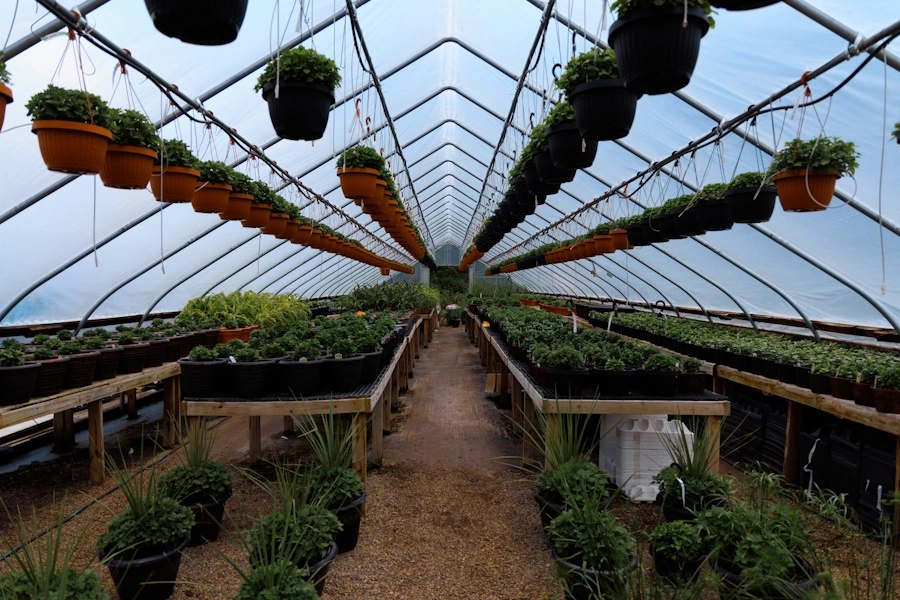
Local Nursery Scene in Collinsville
Collinsville and the surrounding St. Louis Metro East region benefit from a localized horticultural economy. With three primary suppliers identified, residents have access to a spectrum of plant material ranging from finished landscape specimens to starter seedlings. This supply chain diversity is critical for Illinois gardeners managing USDA Hardiness Zones 6a and 6b, where extreme temperature fluctuations and clay-heavy soils necessitate plants specifically bred for regional resilience. Local growers are not just selling inventory; they are providing biological insurance for your landscaping investments.
Comparison of Top Nurseries
| Nursery Name | Rating | Specialization | Type |
|---|
| Creekside Gardens | 4.6 | Retail Garden Center | Maps Search |
| Crain Tree Farm & Nursery | 4.7 | Commercial Tree Grower | Maps Search |
| Cobe's Seedlings | 5.0 | Ornamental Seedlings | Maps Search |
Deep Dive into Nurseries
Creekside Gardens operates as a comprehensive retail garden center with a 40-year legacy. They distinguish themselves by propagating the vast majority of their inventory on-site, which ensures better plant health compared to mass-shipped varieties. As a Proven Winners partner, they bridge the gap between amateur hobbyists and professional-grade horticultural advice.
Crain Tree Farm & Nursery focuses on high-quality nursery stock, emphasizing root ball development through repeated prunings. Their technical approach to tree health, including proper root flare depth and north-side sunscald prevention, sets a standard for longevity in residential plantings. They serve both the professional trade and private homeowners looking for specimen-grade shade and ornamental trees.
Cobe's Seedlings functions as a boutique provider for gardeners interested in the propagation process. By offering young plants and growing kits, they allow customers to observe the entire lifecycle of their flora. This model prioritizes the educational journey of the gardener, providing a high-touch experience for those looking to start their garden from the ground up.
Buying Guide for IL Gardeners
- Climate Acclimation: Illinois weather is unpredictable. Buying from local growers like those in the Collinsville area ensures your plants have survived at least one season of regional weather, reducing transplant shock significantly compared to big-box store arrivals from warmer states.
- Soil Considerations: Much of the region is defined by heavy clay soils. Before planting, incorporate organic compost to improve drainage. Native species, such as Purple Coneflower (Echinacea) or Little Bluestem grass, are better adapted to Illinois soil than non-native cultivars and require less supplemental irrigation once established.
- Inspecting Plant Health: At any garden center, examine the root system for circling or overcrowding. Check leaf undersides for pests like aphids or spider mites. If purchasing from a nursery, ask if the plant was container-grown or balled-and-burlapped, as planting depth requirements differ for each.
- Seasonal Strategy: Spring is the traditional planting season, but fall is often superior for trees and shrubs in Illinois. Cooling temperatures allow for root establishment before the soil freezes, preventing the water stress common in hot, dry summers.
- Avoid Big-Box Limitations: Large retailers often prioritize aesthetics over long-term hardiness. Local garden centers maintain specialized knowledge regarding local pests, such as the Emerald Ash Borer or Japanese Beetle, and stock varieties that offer resistance to these regional threats.
Gardening in Collinsville requires an understanding of the intersection between Midwestern humidity and cold winter snaps. By sourcing your material from local nurseries, you gain access to decades of regional expertise. Whether you need a single decorative shrub or a full landscape overhaul, the local supply chain offers superior quality control through on-site propagation and site-specific cultivation practices. This investment in local plant material pays dividends in plant longevity, lower maintenance costs, and a more robust ecosystem in your home garden.