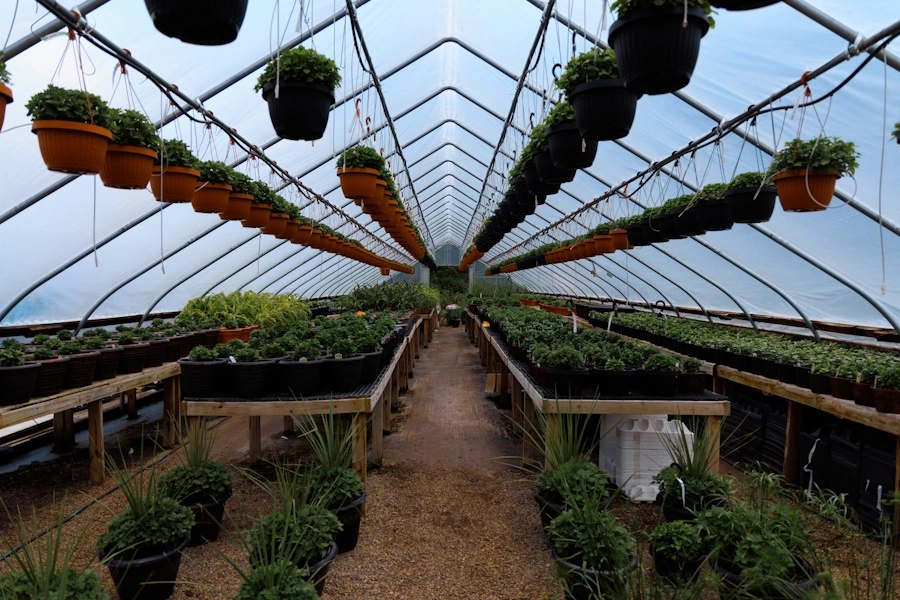
Local Nursery Scene in Garden City
Garden City, Kansas, operates within a challenging horticultural environment. With USDA hardiness zones typically ranging from 6a to 6b, the local climate demands resilience from every plant. High winds, semi-arid conditions, and significant temperature fluctuations throughout the seasons require gardeners to source vegetation specifically adapted to the High Plains. While the local inventory is limited to two primary suppliers, these businesses play a critical role in filtering out non-hardy species that would otherwise fail in the regional soil profiles. Residents have access to both established, multi-departmental garden centers and specialized plant operations, ensuring that both casual hobbyists and serious landscapers have local support for their projects.
Comparison of Top Nurseries
| Nursery Name | Rating | Specialization | Type |
|---|
| Ward's Garden Center & Cafe | 4.4 | Plants, supplies, home decor, cafe | Retail Garden Center |
| Prairie Wind Aquatics | 4.8 | General plant nursery | General plant nursery |
Deep Dive into Nurseries
Ward's Garden Center & Cafe serves as the most comprehensive garden center in the area. Established in 1976, this family-owned operation bridges the gap between basic horticultural needs and lifestyle amenities. By offering landscape services alongside a pet shop and cafe, Ward's provides a centralized hub for homeowners managing expansive outdoor spaces in Kansas.
Prairie Wind Aquatics acts as a dedicated general plant nursery for the local market. With a 4.8-star rating, this establishment focuses on core botanical offerings. Buyers looking for specific plant health advice and specialized aquatic or general plant varieties often find this smaller-scale operation offers a higher degree of horticultural focus compared to larger general retailers.
Buying Guide for KS Gardeners
Success in Western Kansas gardening depends on preparation and plant selection. Follow these guidelines to ensure your investments thrive:
- Prioritize Native Species: Focus on plants like Purple Coneflower, Switchgrass, or Sage. Native plants are evolved to withstand the intense Kansas summer heat and irregular rainfall, requiring fewer chemical inputs and less supplemental irrigation.
- Check Soil Health: Kansas soil is often heavy clay or alkaline. Before planting, test your soil pH. Incorporating organic matter like compost can help improve drainage and nutrient availability, which is vital for the health of new nursery stock.
- Assess Plant Vigor: Before purchasing, inspect for signs of stress. Avoid plants with circling roots, yellowing leaves, or obvious pest damage. A healthy nursery plant should have firm, pliable stems and a robust root system that fills its container without being root-bound.
- Understand Local Microclimates: Your backyard may have windbreaks, south-facing walls, or shaded corners. Match your purchases from a local nursery to these specific microclimates rather than assuming every plant can handle the full force of a Kansas prairie wind.
- Support Local Growers: Plants grown in local nurseries are already acclimated to the regional humidity and temperature cycles. This reduces transplant shock compared to big-box store stock, which is often shipped from different climate zones and requires heavy coddling to survive its first year in the ground.
- Follow Seasonal Calendars: Kansas planting windows are narrow. Spring planting usually begins in mid-April once the danger of the final frost passes. Fall planting, typically occurring in September and October, allows root systems to establish before the ground freezes, which is often the most successful strategy for trees and shrubs in our region.
By relying on established local nurseries, you gain access to decades of regional expertise. These businesses understand exactly what grows in Garden City's unique environmental conditions, saving you time, money, and the frustration of dealing with plant failure. Always consult with nursery staff regarding current weather patterns before purchasing major landscaping additions, as they track local climate shifts more closely than any generalized gardening manual.