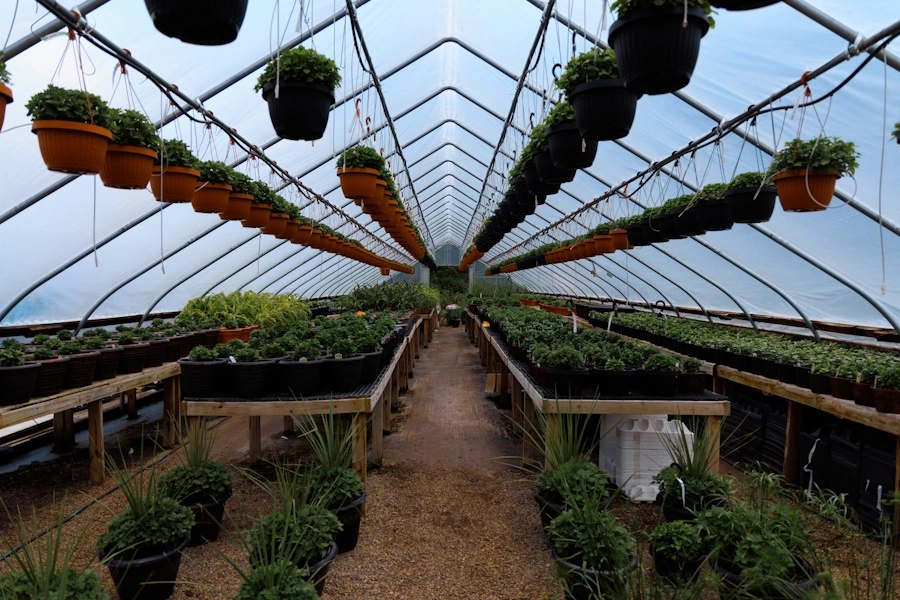
Local Nursery Scene in Salina
Salina, Kansas offers a focused selection of horticultural resources for both weekend enthusiasts and professional landscapers. Our data confirms four active suppliers serving the region. These operations range from massive, vertically integrated greenhouse networks that ship across the state to specialized, family-run tree farms. For the local gardener, this diversity ensures access to plants that have been conditioned for the unique stressors of the High Plains, specifically the volatile temperature swings, persistent wind, and periodic drought common to USDA Zone 5b/6a. Choosing a local nursery or garden center over a national big-box retailer provides a distinct advantage: you gain access to plant varieties already screened for regional performance.
Comparison of Top Nurseries
| Nursery Name | Rating | Specialization | Type |
|---|
| Stutzmans | 4.7 | Bedding plants and floral production | Greenhouse and Nursery |
| BEL Tree Farm | 4.7 | Christmas trees and seasonal goods | Tree Farm |
| Davidson Tree Farm | 5.0 | Tree stock | General plant nursery |
| Kaw Valley Greenhouses | N/A | Wholesale and retail production | Retail/Wholesale Nursery |
Deep Dive into Nurseries
Stutzmans operates as a horticultural powerhouse in Kansas, maintaining nine acres of covered greenhouse space. Their inventory focus centers on vegetable starts and high-quality seasonal bedding plants, supported by a 1956 foundation rooted in professional integrity. They serve as a primary resource for those seeking heat-resilient varieties that can handle the mid-summer Kansas sun.
BEL Tree Farm provides a seasonal, experience-based service for Salina residents focusing on live Christmas trees. Managed by the Peck family, this operation emphasizes the importance of utilizing real greenery for the holidays while offering community amenities like hayrack rides. Their model is strictly seasonal, catering to traditional holiday needs rather than year-round gardening supplies.
Davidson Tree Farm serves as a direct source for woody plant materials. While review volume is lower, a general plant nursery of this type typically provides the long-term structural landscape components that big-box stores struggle to maintain, including specialized shade and ornamental trees capable of surviving local frost cycles.
Kaw Valley Greenhouses functions as a significant regional grower that bridges the gap between wholesale production and residential retail. Because their rating is currently unlisted, buyers should view them as a high-volume professional-grade source. They distinguish themselves by conducting two-year trial programs on all plant varieties to ensure survivability against local wind and soil conditions, and they strictly avoid neonicotinoids to protect regional pollinator health.
Buying Guide for KS Gardeners
Gardening in Kansas requires a strategic approach to plant selection and maintenance. Follow these guidelines to ensure your investments thrive in our challenging climate:
- Prioritize Native Resilience: Focus on species evolved for the Great Plains. These plants possess deeper root systems, making them inherently more drought-tolerant and less reliant on supplemental irrigation during the dry late-summer months.
- Check Root Health: At any local garden center, slide the plant gently from its container. A healthy root system is white or light tan; avoid plants with dark, mushy, or tightly circling roots that indicate long-term neglect.
- Acclimation is Key: Local growers like Kaw Valley or Stutzmans often harden off their stock in regional greenhouses. This process pre-conditions plants for Kansas wind and temperature fluctuations, significantly reducing transplant shock compared to inventory shipped from southern, humid climates.
- Mind the Soil: Kansas soil often contains high clay content. Always incorporate organic compost or aged manure to improve drainage and aeration, as heavy, compacted soil can lead to root rot during spring wet spells.
- Seasonal Timing: In this region, planting trees and shrubs is often best done in the fall to allow roots to establish during the cool, dormant season before the intense heat of July. Vegetable gardening should be timed strictly around the average last frost date, which typically falls in late April or early May for Salina.
By leveraging the expertise found at these local nurseries, you move beyond generic gardening and start building a landscape that is fundamentally compatible with the Kansas environment.