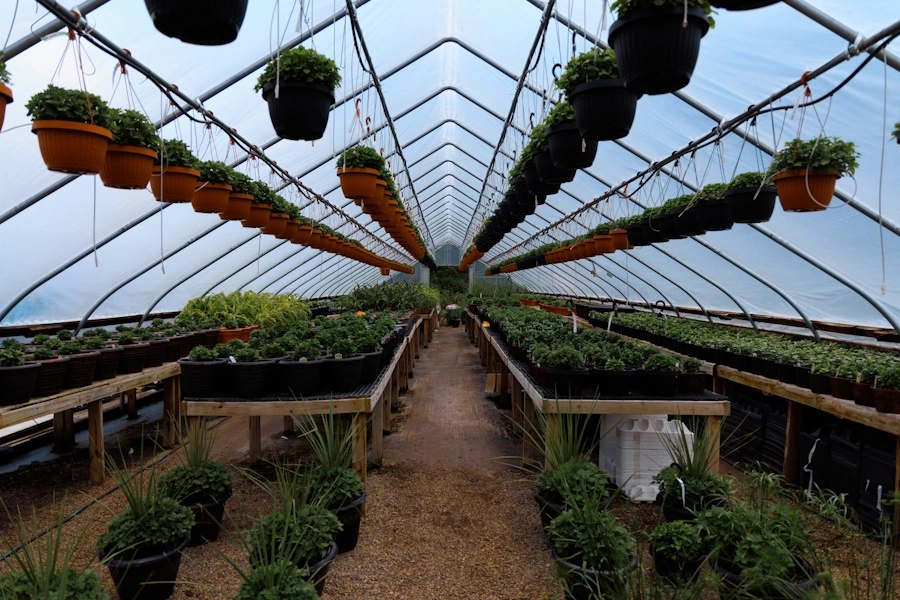
Local Nursery Scene in Estelle
Estelle and its surrounding areas in Louisiana offer a focused selection of horticultural suppliers for local gardeners. While the area hosts three primary nurseries, these businesses serve different segments of the market, ranging from specialized citrus propagation to broad-spectrum wholesale plant distribution. Understanding the landscape of these garden centers is crucial for any gardener in the region because the local environment demands specific plant characteristics. Louisiana’s climate, which falls primarily within USDA hardiness zones 8 and 9, presents challenges such as high humidity, heavy rainfall, and potential heat stress. Choosing a local nursery or garden center that understands these regional nuances ensures that your investment in landscaping and gardening survives the summer intensity.
Comparison of Top Nurseries
| Nursery Name | Rating | Specialization | Type |
|---|
| Saxon Becnel & Sons | 3.8 | Citrus Tree Specialty | Maps Search |
| Langridge Plant Sales, Inc. | 4.8 | Wholesale Horticultural Supplier | Maps Search |
| Paul Becnel Citrus Nursery LLC | 5.0 | General Plant Nursery | Maps Search |
Deep Dive into Nurseries
Saxon Becnel & Sons stands out as a heavyweight in the citrus industry, boasting 160 years of operation. With over 25 varieties and a production capacity reaching one million trees, this facility is the gold standard for those seeking high-quality, grafted citrus in the region. Their strict adherence to Louisiana and Texas agricultural health standards makes them a reliable partner for both commercial orchardists and private homeowners.
Langridge Plant Sales, Inc. operates as a crucial horticultural supplier for those needing variety. Their inventory, which spans bedding annuals, shrubs, and specialty items like Australian Tree Ferns, caters to the cyclical demands of Louisiana’s landscaping industry. By maintaining a rolling inventory, they provide the necessary materials for gardeners to refresh their beds across different seasons.
Paul Becnel Citrus Nursery LLC serves the community as a general plant nursery. While their footprint is smaller in terms of review volume, they function as a localized touchpoint for those looking for citrus-focused botanical resources. Their presence reinforces the regional focus on fruit-bearing trees, which thrive in Louisiana’s specific climate when given proper care.
Buying Guide for LA Gardeners
- Acclimation Advantage: Plants grown in Louisiana nurseries are already adapted to local humidity and heat levels. This reduces transplant shock significantly compared to purchasing stock shipped from cooler, northern climates.
- Seasonal Calendars: Focus on planting during the cooler windows of spring and fall. Louisiana's heat can kill fragile, newly-transplanted stock if they are put in the ground during mid-summer.
- Soil Health: Most of the area features heavy clay soils. When visiting a local garden center, ask about organic amendments such as compost or expanded shale to improve drainage for your plants.
- Native Species: Whenever possible, prioritize native species like the Louisiana Iris or various native viburnums. These plants require less supplemental water and are naturally more resistant to local pest pressures.
- Inspection Protocols: Always check the root health of a container plant. If roots are circling the pot tightly, they may struggle to establish themselves once moved into the ground. Look for vibrant foliage and avoid plants with signs of yellowing or spotted leaves.
- Understanding Wholesale vs. Retail: Some of these suppliers function primarily as wholesalers. If you are a private buyer, verify if they are open to the public or if they require a professional landscaping account, as this will save you a wasted trip.
The success of any garden in Estelle hinges on sourcing quality, healthy plants from local nurseries. By understanding the specific strengths of these three operators—ranging from multi-generational citrus experts to diverse, seasonal suppliers—you position your garden for long-term viability. Always prioritize plant stock that has been cultivated with regional soil and weather patterns in mind, as this foundation saves time, money, and water in the long run.