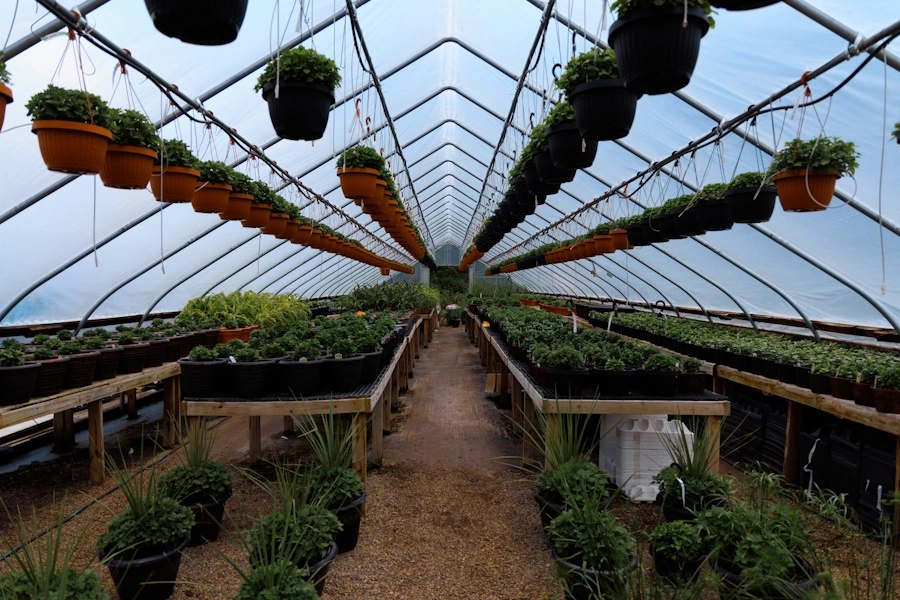
Local Nursery Scene in Pittsfield
Gardening in Western Massachusetts requires a specific strategy due to the region's climate, which typically ranges between USDA hardiness zones 5a and 5b. The short, intense growing season demands plants that can survive harsh winters and thrive during relatively cool spring transitions. Pittsfield gardeners currently have access to eight key suppliers, ranging from full-scale retail garden centers to specialized native plant cooperatives. These businesses bridge the gap between amateur hobbyists and professional landscapers by providing materials specifically adapted to the Berkshires.
Comparison of Top Nurseries
| Nursery Name | Rating | Specialization | Type |
|---|
| Whitney's Farm Market & Garden Center | 4.6 | Full-Service Retail | Garden Center |
| Zema's Nursery Inc | 4.9 | Fruit Trees & Perennials | Retail Nursery |
| Crane Hill Tree Farm | 5.0 | Christmas Trees | Specialty Farm |
| Trillium Garden & Gift | 3.3 | General Plants | Garden Center |
| The Barefoot Gardener LLC | 4.5 | Native Plants | Retail/Wholesale Nursery |
| Enroot: Native Plant Cooperative | N/A | Native/Adapted Species | Specialty Cooperative |
| Beetle Buds Native Gardens | N/A | Invertebrate Conservation | Specialty Nursery |
| David Burdick Daffodils & More | N/A | Ornamental Bulbs | Specialty Mail-Order |
Deep Dive into Nurseries
Whitney's Farm Market & Garden Center is the most comprehensive stop for Berkshire residents. They combine a retail garden center with a bulk supply yard for soil, mulch, and hardscaping, operating as a one-stop-shop for seasonal annuals and vegetable starts.
Zema's Nursery Inc offers a high-end experience rooted in 50 years of experience. Their focus on fruit trees and small fruits, combined with professional consultation, makes them a leader for those building edible landscapes in the region.
Crane Hill Tree Farm specializes exclusively in the cultivation of Balsam firs. They focus on the 'choose and cut' experience, providing local families with fresh, sustainably managed holiday greenery.
Trillium Garden & Gift serves the community as a general retail plant outlet. Their inventory typically covers the standard requirements for residential landscaping projects, providing a convenient option for neighborhood garden updates.
The Barefoot Gardener LLC bridges the divide between wholesale and retail sectors. By stocking native plants and woody ornamentals at their Lenox location, they cater to those looking to improve local ecological diversity.
Enroot: Native Plant Cooperative operates as a worker-owned collective. They are essential for gardeners seeking climate-adapted native plants that support local symbiotic relationships between flora and fauna.
Beetle Buds Native Gardens functions as a chemical-free advocate for regional restoration. They prioritize invertebrate conservation by propagating native flowers and grasses from seed, making them a go-to for 'naturescaping' projects.
David Burdick Daffodils & More operates as a boutique resource for serious collectors. Their mail-order model focuses on rare bulbs and high-character perennials like Colchicum and Trollius that are rarely found in standard nurseries.
Buying Guide for MA Gardeners
- Prioritize Native Plants: Choosing flora indigenous to Western Massachusetts, such as those propagated by Enroot or Beetle Buds, ensures your garden requires less supplemental watering and avoids invasive tendencies.
- Check Root Health: Before buying from a garden center, gently slide the plant out of its container. A healthy root system should be white or light-colored and fill the pot without becoming a tightly bound, impenetrable mass.
- Climate Acclimation: Plants grown locally, like those at Zema's or The Barefoot Gardener, are already accustomed to the Berkshires' humidity and temperature fluctuations. This significantly reduces transplant shock compared to big-box store inventory shipped from warmer southern climates.
- Assess Seasonal Timing: Massachusetts springs are deceptive. Always check the last frost dates for your specific elevation in Pittsfield before planting delicate annuals. Perennials generally establish best when planted in early fall or spring, allowing roots to secure themselves before extreme heat or cold hits.
- Soil Prep: Don't just plant into native ground. Use bulk supplies from local garden centers—like the quality compost offered at Whitney's—to amend your soil. Most Berkshire soil benefits from organic matter to improve drainage and nutrient retention.