
GrowersFinder

1 Plant Nurseries in Camp Springs, MD

Showing 1 verified nurseries & garden centers near you

Switch city:
Loading Map...

Top Rated Farms in CAMP SPRINGS

Farm Background Placeholder
4
maps_search

40 Day Communications

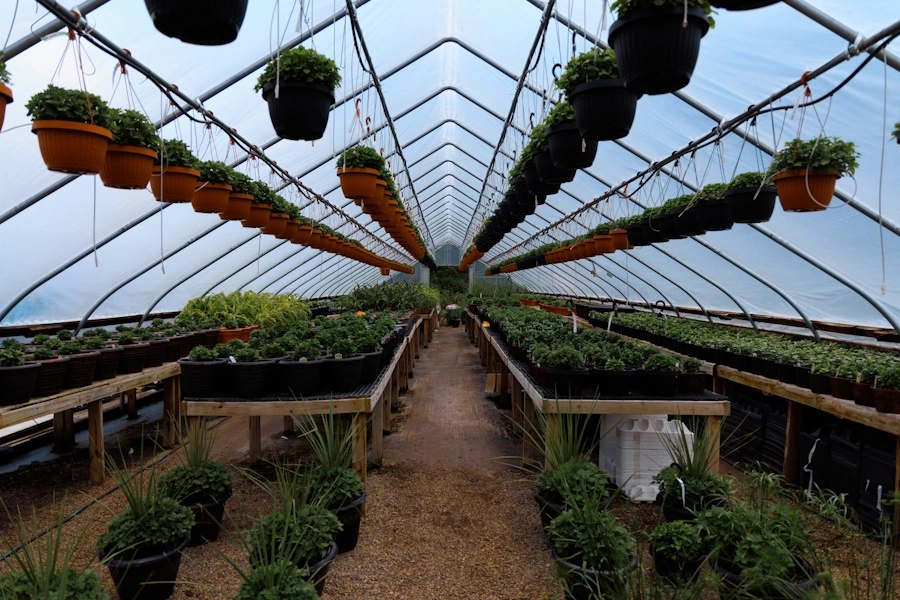
Native Habitat Restoration Nursery. Top products: Native trees and woody plants, Flowering plants for pollinators, Restoration-grade plant materials. 40 Day Communications is a certified Black woman-owned business based in the Washington, D.C. metropolitan area that functions as both an environmental media consultancy and a specialized horticultural producer. Under the NAICS codes 111421 (Nursery and Tree Production) and 111422 (Floriculture Production), the firm cultivates and supplies trees, woody plants, and a variety of flowering species specifically selected for pollinator gardens, habitat restoration, and public ecological projects. Beyond plant production, they offer comprehensive landscape installation services, focusing on the transformation of urban spaces into ecologically resilient wildlife habitats. The business is uniquely positioned at the intersection of horticulture and digital storytelling, providing professional photography, video documentation, and archival services for environmental programs and conservation initiatives. Serving commercial, government, and environmental clients, 40 Day Communications emphasizes the preservation of ecological stories through their 'Rooted Kin' initiative, combining field-based cultivation with high-level professional contracting services to support public landscape goals.

📍Augusta Springs, VA 24430, USA
Route

The Local Nursery Scene in Camp Springs

Gardening in Camp Springs benefits from the rich soils and diverse growing conditions of the Maryland Piedmont and coastal plain overlap. Local gardeners often seek out specialized nurseries and garden centers that prioritize plant health and regional ecological balance. By sourcing materials from producers who understand the specific humidity, soil composition, and temperature fluctuations of Prince George’s County, residents can establish landscapes that require less chemical intervention and water. Whether you are transforming a residential backyard or working on a larger ecological restoration, selecting the right nursery is the first step toward a resilient garden.

Current Local Nurseries

The following table highlights a professional nursery operating in the Camp Springs area, focusing on high-quality, ecologically significant plant material.

NameRatingSpecialization
40 Day CommunicationsN/ANative habitat restoration, pollinator plants, and woody nursery stock

40 Day Communications stands out for its unique blend of horticultural production and environmental consulting. Their focus on native trees, woody plants, and species that support local pollinators makes them a key resource for those aiming to restore regional biodiversity.

Why Buy Locally Grown in MD?

Maryland gardeners face specific challenges, primarily centered around USDA Hardiness Zones 7a and 7b. Our summers bring significant heat and humidity, while winters can be unpredictable. Plants grown in local nurseries are typically acclimated to these exact conditions. When you purchase nursery stock grown nearby, you avoid the transplant shock often associated with plants imported from distant greenhouses. Local growers like 40 Day Communications cultivate materials specifically for the regional climate, ensuring higher survival rates for native species and ornamental plants alike. Supporting local growers also reduces the carbon footprint associated with long-distance plant transport.

Planting Guide & Popular Choices

Maryland’s growing season typically stretches from mid-April through October. Spring is ideal for planting native perennials and deciduous trees, allowing them to establish root systems before the onset of summer heat. In autumn, cooler temperatures make it the perfect time for planting shrubs and trees, as the soil remains warm enough for root development without the stress of intense midday sun. Prioritize native species such as flowering dogwood, redbud, and various native grasses that provide essential habitat. For pollinator gardens, look for native flowering species that provide nectar and pollen throughout the full length of the Maryland growing season.

Frequently Asked Questions

Q: What are the benefits of using native plants in a Camp Springs garden?

A: Native plants are naturally adapted to the Maryland climate and local soil conditions. They require less water, fertilizer, and pesticides once established compared to non-native species. Furthermore, they provide essential resources like nectar, pollen, and shelter for local wildlife, including Maryland's native pollinators and birds, creating a resilient and low-maintenance landscape that supports the regional ecosystem.

Q: When is the best time to plant trees in Maryland?

A: The optimal time to plant trees in Maryland is during the dormant season, specifically in the early spring before bud break or in the fall after the leaves drop. Fall planting is particularly effective in our region, as it allows trees to establish their root systems in the cooling soil before the high-stress conditions of a Maryland summer arrive.

Q: What is the USDA hardiness zone for Camp Springs, Maryland?

A: Camp Springs, Maryland, is primarily classified within USDA Hardiness Zones 7a and 7b. This zone designation indicates that average annual minimum winter temperatures generally range between 0 and 10 degrees Fahrenheit. Understanding this zone is crucial when selecting plants at a nursery, as it helps determine which species are cold-hardy enough to survive local winters.

Q: How do I choose the right nursery for my landscaping project?

A: Look for nurseries that focus on regionally appropriate plant species and provide clear information about the origin of their stock. Local nurseries like 40 Day Communications often provide specialized knowledge regarding habitat restoration and climate-resilient plantings. Ask if they specialize in native species, as these are the most likely to thrive in Maryland soil with minimal intervention, ensuring your investment in the garden yields long-term success.