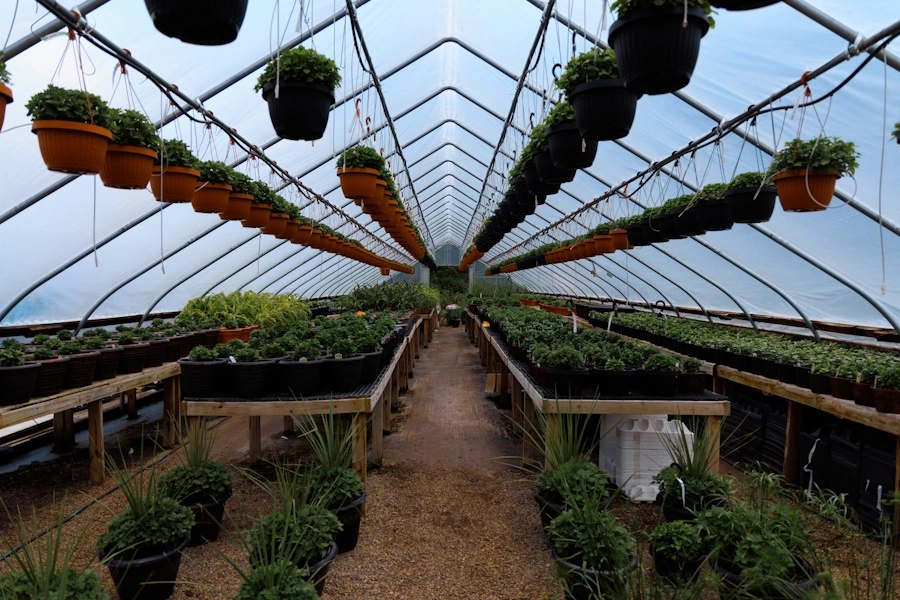
Local Nursery Scene in Salisbury
Salisbury, Maryland, benefits from a robust agricultural network, supported by six primary plant suppliers that range from small-scale ornamental producers to large-scale wholesale operations. This diversity allows homeowners and professional landscapers to source everything from starter vegetable plugs to mature specimen trees. Maryland sits primarily in USDA Hardiness Zones 7b and 8a, which means the region experiences moderate winters and humid summers. Successful gardening in this area requires selecting plants that handle sudden temperature swings and high humidity levels. Local growers understand these specific environmental stressors better than national retail chains, offering stock that is already acclimated to the Eastern Shore's unique soil profiles and moisture retention needs.
Comparison of Top Nurseries
| Nursery Name | Rating | Specialization | Type |
|---|
| Johnson's Seed & Feed | 4.8 | Full-service retail | Garden Center |
| Tidal Roots | 4.7 | Retail nursery | Garden Center |
| Nichols Tree Farm | 4.3 | General plants | Nursery |
| Polly Ann's Greenhouse | 4.8 | Ornamental/Vegetable | Nursery |
| Chesapeake Nurseries | 5.0 | Wholesale ornamental | Wholesale Nursery |
| Plants To Go | N/A | Large-scale cultivation | Garden Center/Nursery |
Deep Dive into Nurseries
Johnson's Seed & Feed: Operating since 1966, this establishment serves as a comprehensive agricultural hub on the Eastern Shore. They balance retail plant sales with essential hardscaping materials like bulk mulch and soil amendments, making them a one-stop shop for landscaping projects.
Tidal Roots: Located in Hebron, this center functions as a destination for community-focused gardening. Their inventory is curated for local climate conditions, prioritizing both functional edible plants and ornamental varieties suitable for home environments.
Nichols Tree Farm: As a general plant nursery, this location focuses on woody stock and tree varieties. Their operation provides a necessary service for local property owners looking to establish windbreaks or ornamental additions to their landscapes.
Polly Ann's Greenhouse: Specializing in seasonal production, this nursery focuses on high-quality annual flowers and edible starts like tomatoes and peppers. Their seasonal model ensures that plants are ready precisely when the regional planting window opens in late spring.
Chesapeake Nurseries: This large-scale wholesale operation emphasizes advanced horticultural technology, including retractable roof greenhouses. They supply the professional sector with high-volume, container-grown trees and shrubs that meet strict industry standards for reliability.
Plants To Go: Because this facility operates as a large-scale grower with 200 greenhouses, their lack of a retail rating does not reflect a lack of expertise. For a buyer, this type of operation provides access to specimen-grade plants that have been raised in a controlled climate, increasing the likelihood of transplant success compared to store-bought imports.
Buying Guide for MD Gardeners
- Prioritize Native Species: Select plants native to Maryland, such as Eastern Redbud or Black-eyed Susan. These species have evolved to thrive in local soil and rainfall, requiring significantly less water and fertilization once established.
- Inspect Root Health: Before buying from any garden center, gently slide the plant from its pot. Healthy roots should be firm and light in color, not circling tightly or showing signs of decay or mold.
- Seasonal Timing: Respect the Maryland frost calendar. While spring annuals can go in by late April, wait until the danger of frost passes to install tender tropicals. Fall is often the best time to install trees and shrubs, as cooler temperatures allow root systems to establish before the heat of summer.
- Soil Amendments: Eastern Shore soils often benefit from organic matter. Buying bulk mulch and compost from local centers like Johnson's helps improve drainage in heavy clay areas or moisture retention in sandy soils.
- Acclimation Advantage: Plants raised in local nurseries are already hardened off to the specific intensity of Maryland sun and wind. This eliminates the 'shock' frequently seen in plants shipped in from different geographic zones, leading to stronger growth in your landscape.