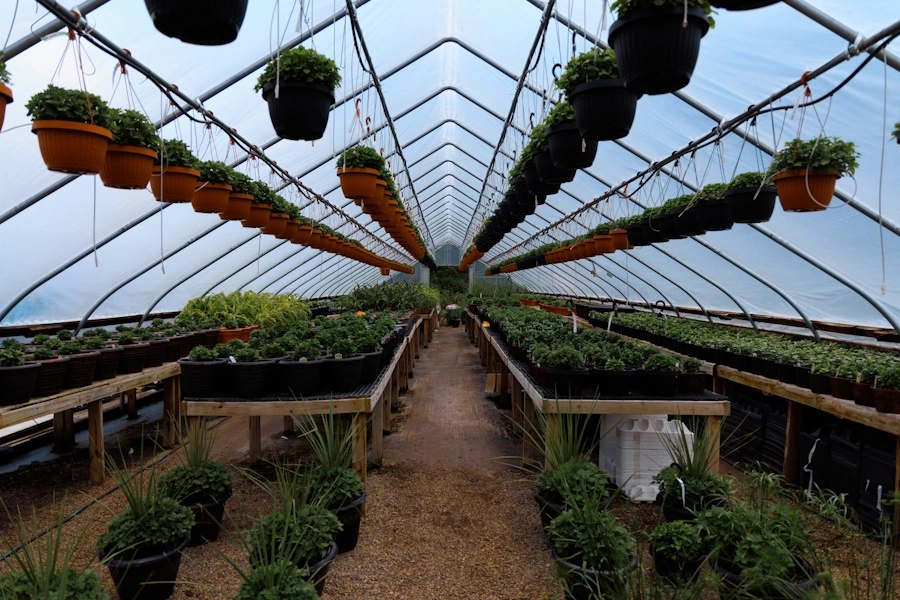
Local Nursery Scene in Windham
Windham, Maine, maintains a focused selection of horticultural suppliers catering to varying levels of gardening expertise. Currently, there are 4 active nurseries and garden centers operating within the region. These businesses range from full-service retail outlets providing comprehensive landscaping solutions to specialized boutique growers focusing on specific perennial varieties. For the local gardener, this diversity ensures that whether you need bulk excavation services, seasonal aesthetic additions, or specialized plant genetics, the local supply chain remains robust. Understanding the distinction between these entities allows residents to match their specific landscaping needs with the right local partner.
Comparison of Top Nurseries
| Nursery Name | Rating | Specialization | Type |
|---|
| Roosevelt Trail Garden Center | 4.2 | Ornamental Plants/Shrubs | Retail Garden Center |
| East Pine Plant Shop + Farm Store | 5.0 | Botanical/Greenhouse | Botanical Garden/Shop |
| Merry Christmas Trees | 4.7 | Conifers | General Nursery |
| Barth Daylilies | N/A | Specialty Perennials | Specialty Grower |
Deep Dive into Nurseries
Roosevelt Trail Garden Center functions as a core retail garden center in Windham, serving both residential and professional markets. They provide a broad spectrum of ornamental plants, shrubs, and trees, while simultaneously offering excavation and landscape installation services. Their long-term local recognition highlights their role as a reliable source for standard garden supplies and professional design assistance.
East Pine Plant Shop + Farm Store operates on a historic farm property, focusing on year-round greenery and community engagement. Their transition into a Community Botanical Garden offers unique access for those interested in public horticultural education and greenhouse rentals. They prioritize sustainable practices and accessibility over traditional high-volume retail models.
Merry Christmas Trees serves as a general plant nursery. In this context, such nurseries typically emphasize conifer health and long-term tree maintenance, providing options for gardeners looking for structural landscape elements or seasonal greenery. Their rating reflects consistent performance in their niche.
Barth Daylilies operates as a specialty grower, focusing exclusively on the cultivation of Hemerocallis varieties. As this nursery lacks a public rating, it is classified as a boutique grower; for buyers, this indicates a high level of expertise in plant genetics and breeding, offering superior, acclimated perennial stock that often surpasses the quality found in mass-market garden centers.
Buying Guide for ME Gardeners
- Hardiness Zones: Windham primarily falls within USDA hardiness zones 5a and 5b. Choose plants that can withstand these thermal fluctuations, as native Maine species are already evolved to handle local winter cold and humidity.
- Soil Prep: Maine soils are often acidic and can be rocky or clay-heavy. Testing your soil before installation is crucial to determine if you need to amend with lime, compost, or drainage-enhancing organic matter.
- Local Acclimation: Purchasing from local growers is safer than buying from big-box retailers. Local stock is already hardened off to Maine's specific microclimates and shortened growing seasons, reducing transplant shock.
- Plant Health Check: When visiting a garden center, inspect for signs of pests or disease. Healthy plants should have firm root systems, vibrant foliage, and no signs of wilting. Avoid plants with roots circling the edges of the pot, as this indicates long-term container stress.
- Seasonal Timing: In Southern Maine, late spring—once the danger of hard frost has passed—is the optimal window for planting. Many perennials thrive in the cooler soil of autumn, which allows roots to establish before the ground freezes.
By prioritizing plants native to the Maine environment, gardeners can significantly reduce the need for supplemental irrigation and chemical fertilizers. The local nurseries identified here contribute to a sustainable garden ecosystem by providing varieties that are physically and genetically suited to the local climate, ensuring higher success rates for backyard projects.