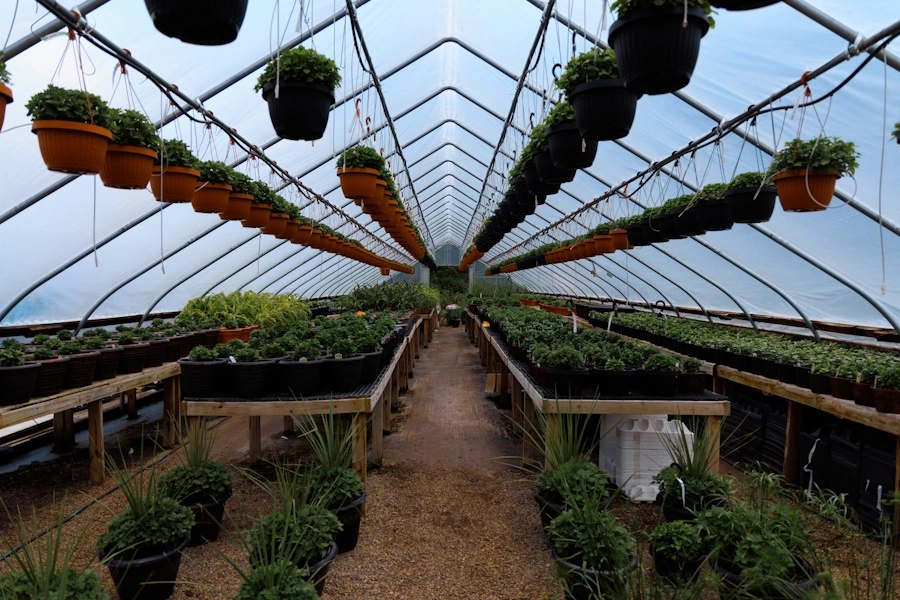
Local Nursery Scene in Otsego
Otsego, Minnesota, features a specialized landscape for gardeners, defined by a distinct cluster of horticultural suppliers. Currently, there are three primary operations servicing the area. These businesses cater to diverse needs, ranging from traditional home gardening to large-scale ecological restoration. Whether you are looking for ornamental perennials or Minnesota-hardy native plugs, the local supply chain is built to survive the regional climate, which typically spans USDA hardiness zones 4a and 4b. Local growers focus on plants that withstand harsh winters and variable summer humidity, ensuring better survival rates than mass-market big-box alternatives.
Comparison of Top Nurseries
| Nursery Name | Rating | Specialization | Type |
|---|
| Schulte's Greenhouse & Nursery | 4.4 | Full-Service Greenhouse | Garden Center |
| MNL | 4.4 | Native Plant Restoration | Native Nursery |
| Crow Hassan Nursery | 5.0 | General Plant Selection | General Nursery |
Deep Dive into Nurseries
Schulte's Greenhouse & Nursery has operated for over 60 years in the nearby St. Michael area, functioning as a complete garden center. They produce the vast majority of their plant inventory on-site, which includes everything from rare perennials to seasonal vegetable starts. Their staff provides specialized horticultural advice, including plant health diagnosis, which is invaluable for regional gardeners dealing with specific Minnesota pests or soil conditions.
MNL, formerly Minnesota Native Landscapes, focuses on ecological restoration and native plant propagation. They supply everything from individual plant plugs to large-scale restoration seed mixes designed for pollinator corridors and shoreline rehabilitation. Their scientific approach to botanical propagation ensures that all materials are genetically appropriate for the Minnesota environment, promoting long-term soil and water health.
Crow Hassan Nursery offers a generalized approach to plant procurement. As a smaller operation, it serves as a straightforward point of supply for local gardeners seeking basic plant stock. Its perfect rating, while based on a limited number of reviews, reflects high satisfaction with the quality of their plant materials and service.
Buying Guide for MN Gardeners
- Prioritize Native Species: Minnesota’s ecosystem thrives on local flora. Native plants like coneflowers, milkweed, and native grasses require less supplemental watering and are naturally adapted to the local clay or sandy soils.
- Check Hardiness Ratings: Always verify that your chosen perennials are rated for zone 4. Plants shipped from warmer southern climates often fail to survive a standard Minnesota winter.
- Inspect Root Systems: Before purchasing from any local garden center, slide the plant gently out of its pot. A healthy plant has firm, white, or light-colored roots. Avoid specimens with dark, mushy, or tightly spiraled (root-bound) root balls.
- Timing Your Planting: In Minnesota, the planting window is narrow. Aim to put perennials and shrubs in the ground once the soil has thawed in spring but before the mid-summer heat sets in. Alternatively, fall planting allows root systems to establish during cooler temperatures, provided they have at least six weeks before the ground freezes.
- Benefits of Local Growers: Buying from nurseries that produce on-site, such as Schulte's, ensures you are getting stock that has been hardened off in the local climate. This differs significantly from big-box retailers, which often sell plants that were rushed through greenhouses in warmer states, leading to "transplant shock" upon arrival in Minnesota.
- Soil Amendments: Local soil is often heavy clay. Always amend your planting holes with high-quality compost or organic matter to improve drainage. Proper site preparation, often recommended by local experts at places like MNL, is the most important factor in plant longevity.
The Otsego area offers a strategic advantage for gardeners. By leveraging the expertise at these specific nurseries, you ensure your landscape is not just aesthetic, but resilient against the extremes of the Minnesota climate. Focus on building diverse plant communities that support local pollinators and utilize the technical support offered by long-standing local businesses to troubleshoot common gardening issues like blight or nutrient deficiencies.