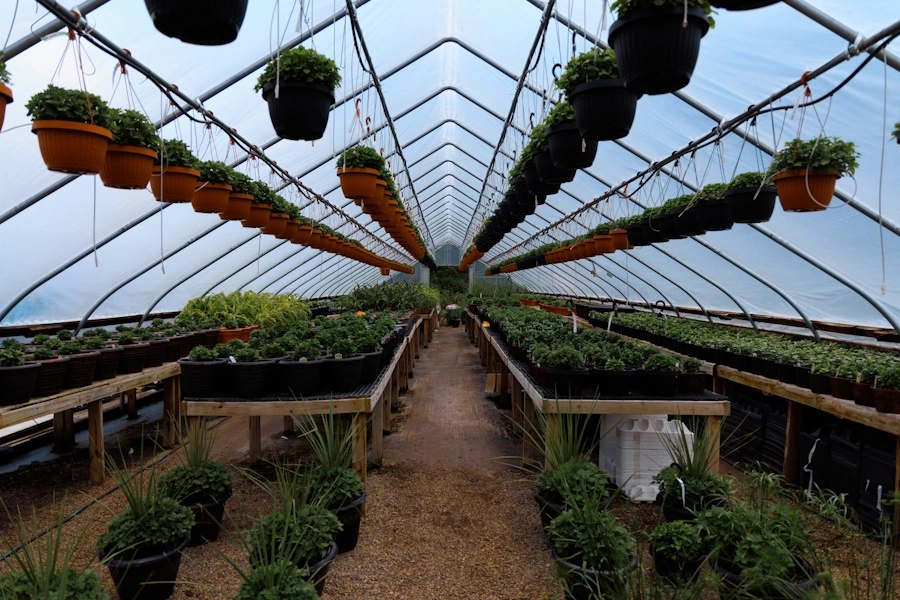
Local Nursery Scene in New Bern
New Bern gardeners have access to four primary horticultural suppliers, each catering to different segments of the market ranging from hobbyist plant collectors to small-scale agricultural producers. The local supply chain for plant materials remains robust, particularly for those prioritizing climate-acclimated stock over mass-produced big-box alternatives. As Eastern North Carolina falls primarily into USDA Hardiness Zone 8a, successful gardening here requires a keen focus on heat tolerance during the summer months and cold-hardiness during the transition seasons. Whether you are looking for ornamental palms, vegetable starts, or rare houseplants, the local nurseries provide specialized inventory that survives the region's unique humidity and temperature fluctuations.
Comparison of Top Nurseries
| Nursery Name | Rating | Specialization | Type |
|---|
| Pinecone Home and Garden Center | 4.7 | Proven Winners/Retail | Garden Center |
| Neuse Feed and Farm | 4.9 | Ag/Horticulture Supply | Garden and Farm Supply |
| Gary's Nursery | 4.8 | Cold-Hardy Palms | Wholesale/Retail |
| Landing Nursery | 3.0 | General Plant Supply | General Nursery |
Deep Dive into Nurseries
Pinecone Home and Garden Center functions as a premier destination for those seeking high-quality, disease-resistant annuals and perennials. As a designated Proven Winners retailer, they carry specific plant varieties tested for performance in the region. Their inventory of orchids and indoor tropicals, paired with a significant stock of pottery and horticultural tools, positions them as a full-service garden center for residential landscaping.
Neuse Feed and Farm bridges the gap between home gardening and small-scale livestock management. By stocking essential soil amendments like Daddy Pete's products alongside vegetable starts, they provide the necessary inputs for productive food gardens. Their integration of animal care supplies and local farm-raised proteins creates a unique community hub for growers who prioritize self-sufficiency.
Gary's Nursery operates as a specialized horticultural firm with roots dating back to 1975. They emphasize propagation of cold-hardy palms like Sabal minor and Sabal palmetto, specifically grown from seed batches that have withstood local winters. Their status as a licensed landscape contractor allows them to manage complex installation projects alongside their retail plant sales.
Landing Nursery serves the local market as a general plant supplier. While their online footprint is minimal, such nurseries often provide the foundational shrubs, groundcovers, and trees necessary for standard residential landscaping projects. Buyers should contact such facilities directly to assess current inventory, as general nurseries often rotate stock based on seasonal demand.
Buying Guide for NC Gardeners
- Prioritize Native Plants: Species such as Sabal minor and local perennial hibiscus are naturally adapted to the heat and soil composition of the New Bern area. These plants require less supplemental irrigation and pest control than exotic imports.
- Check Plant Health: Before purchasing, inspect foliage for signs of disease or pests. At smaller garden centers, look for firm root systems that are not circling the interior of the pot, indicating the plant has been well-maintained.
- Seasonal Timing: In Eastern North Carolina, early autumn is often the ideal time to plant trees and shrubs. The soil remains warm, encouraging root development before the onset of winter, while the air temperatures reduce the transpirational stress on new plantings.
- Soil Preparation: Use high-quality soil amendments to improve drainage in our region's heavy clay or sandy soils. Local suppliers like Neuse Feed and Farm often provide specialized compost and amendments that work better for local vegetables than generic peat-based mixes.
- Support Local Growers: Plants grown in North Carolina nurseries are already acclimated to our specific humidity levels and regional pathogens. This provides a distinct advantage over big-box store items, which are often shipped from drastically different climates and may experience significant transplant shock upon arrival in your landscape.