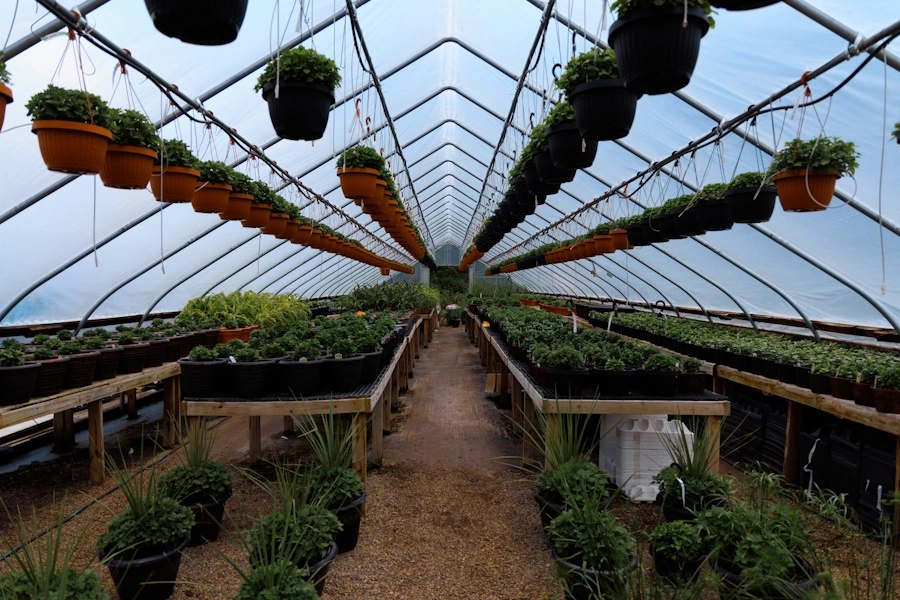
Local Nursery Scene in Pinehurst
Pinehurst and the surrounding Moore County area support a distinct horticultural ecosystem defined by four primary plant suppliers. These businesses serve a mix of residential gardeners and professional landscapers. North Carolina's climate, largely categorized as USDA hardiness zones 7b or 8a, requires plant selections that can withstand hot, humid summers and occasional winter freezes. Access to locally grown stock is essential here, as plants raised in local nurseries are already acclimated to the regional soil profiles and fluctuating weather patterns. Whether you are looking for ornamental shrubs to enhance curb appeal or bulk soil for a new project, these local retailers represent the core of the regional supply chain.
Comparison of Top Nurseries
| Nursery Name | Rating | Specialization | Type |
|---|
| Reaves Nursery Farm, LLC. | 4.9 | Ornamental Trees and Shrubs | Nursery |
| Trim Time Lawn and Garden | 4.7 | Annuals, Perennials, and Bulk Supplies | Garden Center |
| Etheridge Landscape & Design | 4.5 | General Landscape | Nursery |
| Knats Creek Nursery | 5.0 | General Horticulture | Nursery |
Deep Dive into Nurseries
Reaves Nursery Farm, LLC. operates as a specialized grower with a history dating back to 1959. Their focus remains on ornamental trees, shrubs, and azaleas, making them a primary destination for homeowners seeking quality stock that has been cultivated locally for over six decades.
Trim Time Lawn and Garden functions as a comprehensive garden center in Aberdeen. They distinguish themselves through a service model that handles sales, delivery, and professional installation of plants, bulk mulch, topsoil, and decorative hardscaping materials.
Etheridge Landscape & Design serves the region as a general plant nursery. These establishments often bridge the gap between wholesale production and retail design, providing customers with essential plant materials for landscaping projects.
Knats Creek Nursery maintains a five-star reputation as a boutique supplier. While smaller in review volume, businesses like this often provide highly curated plant selections, ensuring higher survival rates for locally planted specimens.
Buying Guide for NC Gardeners
- Prioritize Native Species: North Carolina natives such as flowering dogwood, inkberry holly, and various native grasses are naturally adapted to the local Piedmont and Sandhills soils. They require less irrigation and fewer chemical fertilizers once established.
- Check Plant Health: Inspect the foliage for signs of pests or disease. Avoid plants with roots tightly circling the pot or exposed soil that appears excessively dry or waterlogged.
- Seasonal Timing: In the Pinehurst region, fall is the optimal season for planting trees and shrubs. The cooling temperatures allow root systems to establish before the heat of the next summer.
- Support Local Growers: Plants grown in local nurseries are already acclimated to the specific microclimates of Moore County. Unlike big-box imports, these plants face significantly less transplant shock when placed in your home garden.
- Amend Soil Appropriately: Local soils can be heavy with clay or excessively sandy in certain pockets of the Sandhills. Using high-quality compost or amendments purchased from a local garden center ensures your new plants have the necessary drainage and nutrients to thrive.
Gardening in North Carolina demands a nuanced understanding of the local environment. Because the region experiences distinct seasonal shifts, the timing of your garden center visits can significantly impact your success. Spring is prime time for annual color, while the dormant months are perfect for structural landscape projects. By utilizing local nurseries, you gain access to expert advice that chain retailers rarely provide, such as specific soil preparation techniques for sandy Pinehurst soils or pest management strategies tailored to local conditions. Building a relationship with a local supplier ensures that you receive fresh inventory, properly maintained and ready for immediate planting in your specific USDA zone.