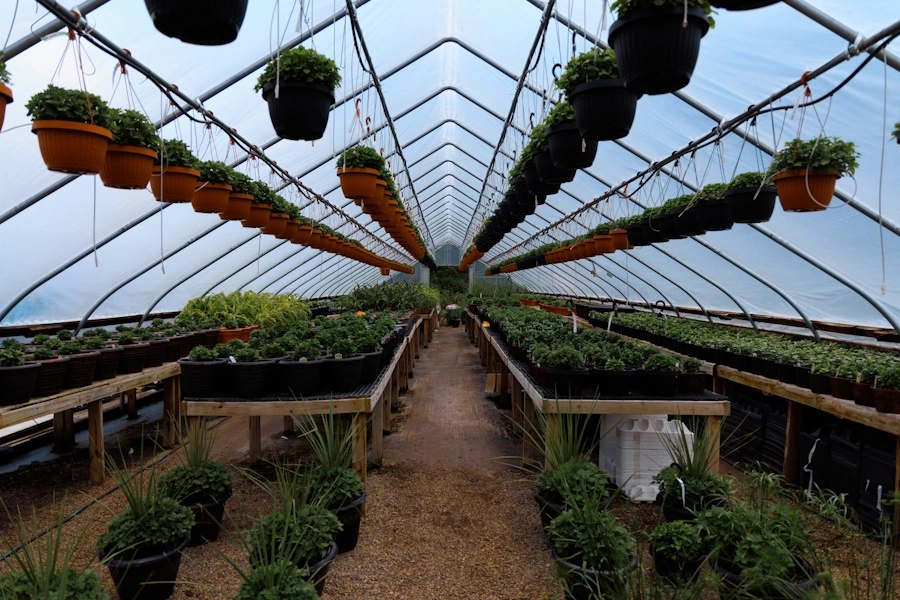
Local Nursery Scene in Raritan Township
Raritan Township hosts a specialized market for horticultural needs. While the region is not saturated with large-scale retailers, the 4 identified suppliers offer distinct advantages to the local gardener. These nurseries provide specialized genetic stocks, professional landscaping services, and niche bonsai expertise that big-box retailers lack. Gardeners in Hunterdon County benefit from focusing on these independent outlets, as they offer plant material better adapted to the local environment than mass-market options. The regional climate, defined by USDA hardiness zones 6a and 6b, requires plants that can withstand cold winters and humid summers. Sourcing from local nurseries ensures that specimens are already acclimated to these specific conditions.
Comparison of Top Nurseries
| Nursery Name | Rating | Specialization | Type |
|---|
| Cross Country Nurseries | 4.7 | Vegetable Starts | Maps Search |
| Rosade Bonsai Studio | 5.0 | Bonsai/General | Maps Search |
| Copper Creek Landscape Management | 5.0 | Trees/Perennials | Maps Search |
| Rosade Bonsai Studio (Duplicate) | N/A | Bonsai Trees | Specialty Bonsai |
Deep Dive into Nurseries
Cross Country Nurseries operates as a powerhouse for home vegetable gardeners. Their catalog features 400 pepper, 180 tomato, and 30 eggplant varieties, prioritizing high-diversity genetics. They ship nationwide, making their specialized, organic-grown starts a go-to for enthusiasts seeking rare heirloom cultivars that rarely appear in standard garden centers.
Copper Creek Landscape Management manages a 50-acre site in New Jersey, functioning as a primary production nursery for trees and perennials. They cater to residential and commercial clients, offering mature plant stock that is ideal for large-scale landscaping projects. Their operation blends nursery production with landscape design, providing a functional resource for heavy-duty planting requirements.
Rosade Bonsai Studio is a premier destination for those interested in the art of bonsai. Founded in 1970, the studio provides specimen bonsai, Kusamono, and professional tools. Beyond simple retail, they offer extensive education, workshops, and maintenance services, establishing them as a core educational hub for both novice and advanced practitioners of the craft.
Buying Guide for NJ Gardeners
Gardening in New Jersey demands attention to seasonal shifts and soil composition. When selecting your next addition from a local garden center or nursery, keep the following strategies in mind:
- Prioritize Native Species: Native plants are naturally drought-tolerant and pest-resistant in the local environment. They require fewer chemical interventions and provide essential support to local pollinators.
- Inspect Plant Health: Always check the root system by gently removing the container. Healthy roots should be white or light-colored and firm. Avoid plants with circling, woody roots or those showing signs of aphids, mites, or leaf spot.
- Timing is Everything: The best time to plant perennials in New Jersey is during the spring after the final frost or in early autumn before the ground freezes. Fall planting allows roots to establish in cooling soil without the stress of summer heat.
- Acclimation Benefits: Buying from nurseries that grow their own stock ensures that the plants are already adjusted to New Jersey's unique climate, reducing transplant shock compared to greenhouse-forced plants imported from southern states.
- Soil Amendments: Before planting, test your soil. New Jersey soil ranges from heavy clay to sandy loam. Incorporating organic compost is the single most effective way to improve drainage in clay-heavy regions and nutrient retention in sandy areas.
- Distinguish Roles: Understand that a garden center often functions as a retail space for diverse plants and supplies, whereas a nursery—especially one like Copper Creek or Cross Country—is fundamentally a growing operation. You get fresher, more specialized material by visiting the growers directly.