
 S
S💬 22 reviews⭐ 5
maps_search
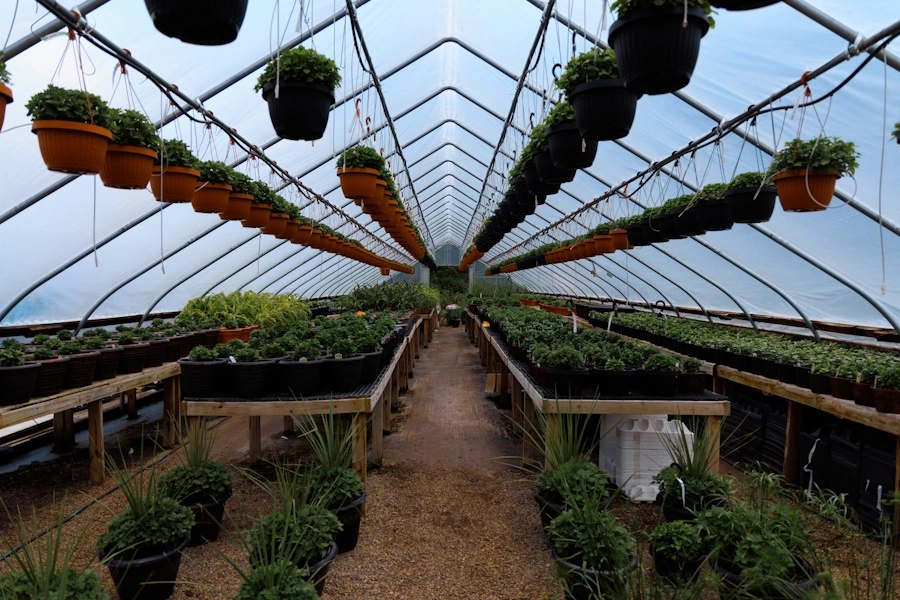
Schulz's Greenhouse
📍26965, Cook Road, Olmsted Falls, Ohio, 44138, US
No website listed
Showing 1 verified nurseries & garden centers near you
SGardening in North Olmsted requires an understanding of the regional climate and the specific needs of Northern Ohio soil. Whether you are starting a new landscape project or maintaining perennial beds, selecting the right nursery or garden center is the first step toward success. Local growers understand the specific microclimates of Cuyahoga County, providing inventory that is vetted for the local environment.
The following table highlights known operations in the area that serve North Olmsted gardeners:
| Name | Rating | Specialization |
|---|---|---|
| Schulz's Greenhouse | 5 | General plant nursery |
These nurseries provide a baseline for sourcing healthy stock. By visiting a local garden center, you can often find plant varieties that have been handled with more care than those found in large-scale big-box retail chains.
North Olmsted falls within USDA Hardiness Zone 6a/6b. This climate presents unique challenges, including freeze-thaw cycles in early spring and heavy clay soils. Plants sourced from local nurseries are often better acclimated to these specific regional variables. When you purchase from a local grower like Schulz's Greenhouse, you gain access to expert advice on winter survival, soil amendments, and native species that are naturally drought-tolerant once established. Buying local minimizes the stress of transplanting, as plants are already adjusted to the Ohio growing cycle rather than being shipped from southern greenhouses with different climate exposures.
Successful gardening here revolves around the frost dates. The last frost typically occurs in May, making it the ideal window for planting annuals and sensitive perennials. For vegetable gardens, warm-season crops like tomatoes and peppers should wait until mid-to-late May to ensure soil temperatures are sufficiently high. Ohio gardeners should focus on native species such as Purple Coneflower (Echinacea) and Black-eyed Susan (Rudbeckia), which provide excellent resilience against regional pests and weather fluctuations. Use mulch to regulate soil moisture during the humid summers and remember that container plants require more frequent watering than those in the ground due to our distinct seasonal evaporation rates.
A: Local nurseries in North Olmsted offer plants specifically acclimated to Ohio's Zone 6 climate. Unlike large retail chains that source stock from across the country, local garden centers prioritize varieties that can withstand our heavy clay soils and unpredictable spring freezes. You also benefit from expert local knowledge, ensuring you choose the right species for your specific yard exposure, which drastically increases the long-term survival rate of your garden investments.
A: The prime planting season for most perennials and shrubs in North Olmsted is spring, after the danger of the last frost has passed, usually mid-to-late May. Fall is the second-best window, particularly for trees and hardy perennials, as the cooling soil temperatures allow roots to establish before the ground freezes in winter. Avoid planting delicate varieties during the heat of July and August without a strict irrigation plan.
A: Yes, many native plants are well-suited to the Ohio landscape and require less maintenance once established. Popular choices include Purple Coneflower, Wild Bergamot, and various species of Milkweed. These plants are naturally adapted to our regional climate, meaning they offer better drought resistance and provide critical support for local pollinators. Ask your local nursery staff for native cultivars that fit your garden's sun and soil conditions.
A: Ohio clay is nutrient-dense but drains slowly. To improve success, always amend the soil in your planting hole with organic matter like compost to improve drainage and aeration. Avoid digging a hole that is too deep; instead, focus on wide, shallow planting. If the soil is particularly heavy, consider raised beds or selecting plant species that are tolerant of damp conditions, as this will help prevent root rot during our wetter spring months.