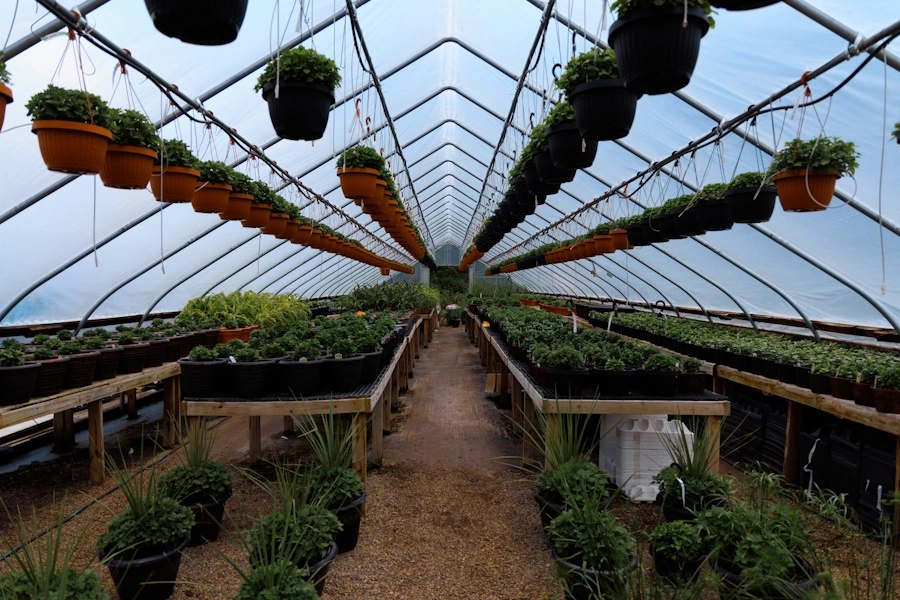
Local Nursery Scene in Oregon City
Oregon City hosts a diverse range of plant suppliers that cater to varied needs, from residential gardening to large-scale commercial tree production. With six distinct operations identified, the area balances family-owned retail nurseries, specialized wholesale growers, and supply chains for the seasonal industry. Growers in this region must account for USDA hardiness zones 8a and 8b, characterized by mild, wet winters and relatively dry, warm summers. Selecting locally grown plant material is essential because these plants are already acclimatized to Oregon's unique seasonal precipitation patterns and specific fungal pressure common to the Willamette Valley.
Comparison of Top Nurseries
| Nursery Name | Rating | Specialization | Type |
|---|
| Karam Nursery | 4.8 | Ornamental Trees/Shrubs | Maps Search |
| The Flower Lady | 5.0 | General Plants | Maps Search |
| The Kirk Company | 3.9 | Christmas Tree Supply | Maps Search |
| Rare Plant Research | 5.0 | Exotic Ornamentals | Maps Search |
| Karam Farm & Garden | 3.0 | General Plants | Maps Search |
| Durkin's Nursery | N/A | Grafted Conifers | Maps Search |
Deep Dive into Nurseries
Karam Nursery serves as a cornerstone of the Oregon City landscape, operating a six-acre facility with 47 years of experience. They provide a full suite of services, from specimen-grade plant selection to professional installation, making them a preferred choice for DIYers needing design support.
The Flower Lady maintains a perfect rating, offering a focused retail experience for those seeking high-quality general ornamental stock. Their consistent reputation suggests a reliable inventory for home gardeners looking for seasonal blooms and garden staples.
The Kirk Company operates on a different scale, focusing on the infrastructure of the commercial Christmas tree industry. They supply growers with essential tools like netting, flocking supplies, and irrigation equipment, supporting the region's agricultural cycle rather than direct retail to casual home gardeners.
Rare Plant Research offers a unique niche for collectors, focusing on exotic bromeliads, succulents, and rare bulbs. While they operate as a wholesale supplier, their public-facing online storefront and event-based garden access allow enthusiasts to acquire specimens not typically found in standard garden centers.
Karam Farm & Garden rounds out the local options as a general nursery provider. For local buyers, this implies a focus on standard nursery goods, such as hardy perennials, common shrubs, and foundational landscape material suitable for the local climate.
Durkin's Nursery is a specialist producer of grafted conifers and specimen trees, operating with a B&B focus. Because they currently lack a public rating, buyers should understand that they function primarily as a professional, wholesale-oriented operation. Their expertise in propagating dwarf cultivars and specialty evergreens serves regional garden centers that stock high-end, slow-growing inventory for residential landscapes.
Buying Guide for OR Gardeners
- Prioritize Native Species: Oregon native plants, such as Douglas Fir, Vine Maple, and various sword ferns, have evolved to thrive in our specific soil chemistry and rainfall levels. They require less supplemental water once established and provide critical support for local pollinators.
- Evaluate Root Systems: When purchasing from a nursery, always inspect the container. Avoid plants that are root-bound or circling the pot, as this leads to future stability issues. Healthy roots should be light-colored and firm, not mushy or dark.
- Seasonal Timing: Planting in the Pacific Northwest is best achieved during the autumn or early spring. Fall planting allows roots to establish in the warm, moist soil before the growth surge of spring, significantly increasing drought resistance during the upcoming summer.
- Soil Preparation: Most Oregon soils are heavy clay. Before planting, incorporate organic compost to improve drainage and aeration. Local nurseries often offer advice on specific soil amendments based on their own regional experience with the native substrate.
- Acclimatized Stock: Buying from local Oregon nurseries ensures that plants have been grown in the same humidity, temperature, and light conditions as your own garden. This reduces transplant shock compared to big-box store inventory that may have been shipped in from southern climates with vastly different growing conditions.
- Hardscape and Supplies: For major projects, professional-grade nurseries provide more than just plants. Many offer bulk soil, specialized mulch, and technical advice on irrigation that general retail outlets simply cannot match, ensuring your investment in landscape material yields long-term results.