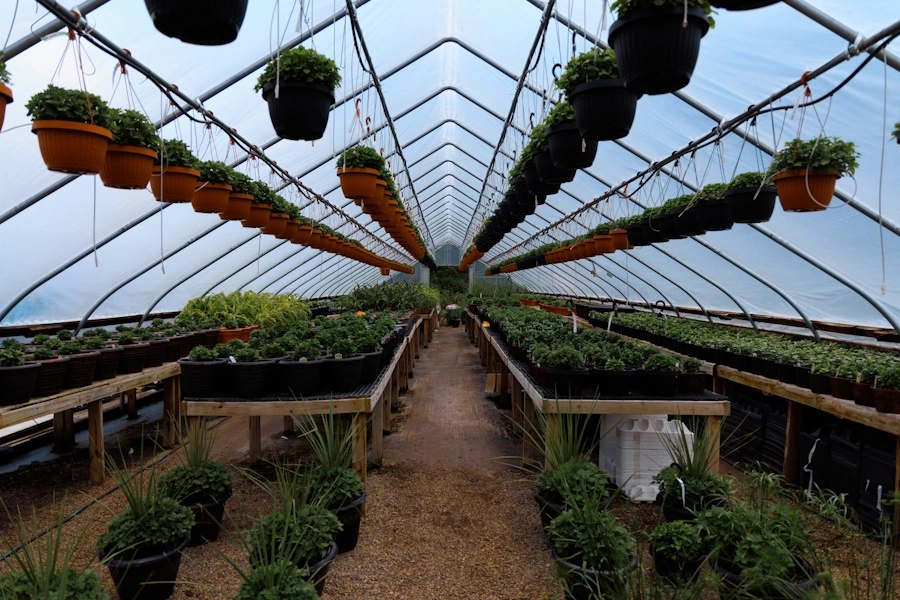
Local Nursery Scene in Wilsonville
Wilsonville and the surrounding Willamette Valley host a diverse agricultural network. My recent analysis identified 13 distinct horticultural operations, ranging from large-scale wholesale production facilities to boutique retail nurseries. This density of supply is a major advantage for local gardeners. You have access to plants that are propagated in the same USDA hardiness zone where they will be planted. Most of the region sits in zone 8, which demands plant stock that can handle cool, wet winters and dry, warm summers. Whether you need bulk landscape trees or specific herbaceous perennials, these 13 suppliers provide everything from high-volume wholesale material to hand-tended, niche botanical varieties.
Comparison of Top Nurseries
| Nursery Name | Rating | Specialization | Type |
|---|
| Al's Garden & Home | 4.5 | Retail/Wholesale Plants | Garden Center |
| Margie's Farm & Garden | 4.8 | Ornamental/Edible | Retail Nursery |
| Little Prince of Oregon | 4.9 | Wholesale Perennials | Wholesale Nursery |
| Barn Owl Nursery | 4.9 | Lavender/Herbs | Retail Nursery |
| Countryside Nursery | 3.5 | Trees/Shrubs | Wholesale Nursery |
| E & G Nursery, Inc. | 4.9 | General Plants | General Nursery |
| Russell's Nursery, Inc. | 5.0 | General Plants | General Nursery |
| Klupenger Nurseries, Inc. | 3.5 | Ornamental Trees | Wholesale Nursery |
| Fred Meyer Garden Center | 5.0 | General Plants | Garden Center |
| PNW Nurseries | 5.0 | General Plants | General Nursery |
Deep Dive into Nurseries
Al's Garden & Home operates as a massive retail anchor, growing 80% of their inventory in-house. They offer a full spectrum of gardening supplies, from fertilizers to ornamental plants.
Margie's Farm & Garden, based in nearby Aurora, focuses on seasonal greenhouse production. They are a community hub for vegetable starts, hanging baskets, and seasonal markets.
Little Prince of Oregon Nursery is a wholesale powerhouse specializing in drought-tolerant perennials and native species. Their solution-based plant collections help retailers offer specific environmental palettes to homeowners.
Barn Owl Nursery maintains a long history as a specialized lavender and herb farm. Operating by appointment, they provide a refined selection of high-quality lavender cultivars and essential oil products.
Countryside Nursery manages a massive 275-acre operation focused on wholesale woody ornamentals. They are a critical supplier for professional landscapers, handling complex tasks like custom-grafted grape vines and conifers.
E & G Nursery, Inc. serves the general market, providing essential plant stock for residential projects. Their general nursery focus ensures consistent availability of standard landscape favorites.
Russell's Nursery, Inc. maintains a high rating, indicating a focus on healthy, well-maintained inventory. They function as a reliable source for general landscape needs.
Klupenger Nurseries, Inc. acts as a long-standing pillar for large-scale professional landscaping. They specialize in high-volume, resilient ornamental trees and shrubs.
Fred Meyer Garden Center provides high-convenience access for standard seasonal plants and basic gardening tools. They serve the casual home gardener looking for immediate, accessible stock.
PNW Nurseries rounds out the local options with a focus on general horticultural stock. They contribute to the accessibility of regionally appropriate plant material for local design projects.
Buying Guide for OR Gardeners
- Prioritize Native Plants: Species native to the Willamette Valley, such as Oregon Grape or Camas, are already evolved to withstand our local rainfall cycles. They require less supplemental irrigation than imported species.
- Check Root Health: Inspect pots for signs of circling roots. When buying, ensure the soil is firm and the plant is not bone-dry, as containers can dehydrate quickly in Oregon's summer sun.
- Seasonality Matters: Oregon gardeners should aim to plant shrubs and trees in the fall or early spring. This allows roots to establish in the wet soil before the intense summer heat stress hits.
- Support Local Growers: Buying from nurseries that produce their own stock ensures the plants are acclimatized to Oregon’s specific climate. This drastically increases your survival rate compared to big-box plants shipped from disparate, warmer climates.
- Amend Soil Correctly: The region's native soil often trends toward clay. Incorporate organic compost to improve drainage before planting, as our winters can lead to root rot in poorly drained, heavy soil environments.