The Local Nursery Scene in San Juan
Gardening in San Juan requires an understanding of the tropical climate, which remains warm year-round with distinct wet and dry seasons. Residents have access to a variety of plant sources, ranging from general-purpose garden centers to specialized nurseries that focus on specific tropical crops. Whether you are looking for ornamental plants for a patio or building an agricultural project, local growers provide the foundation for success in the Caribbean environment.
Current Local Nurseries
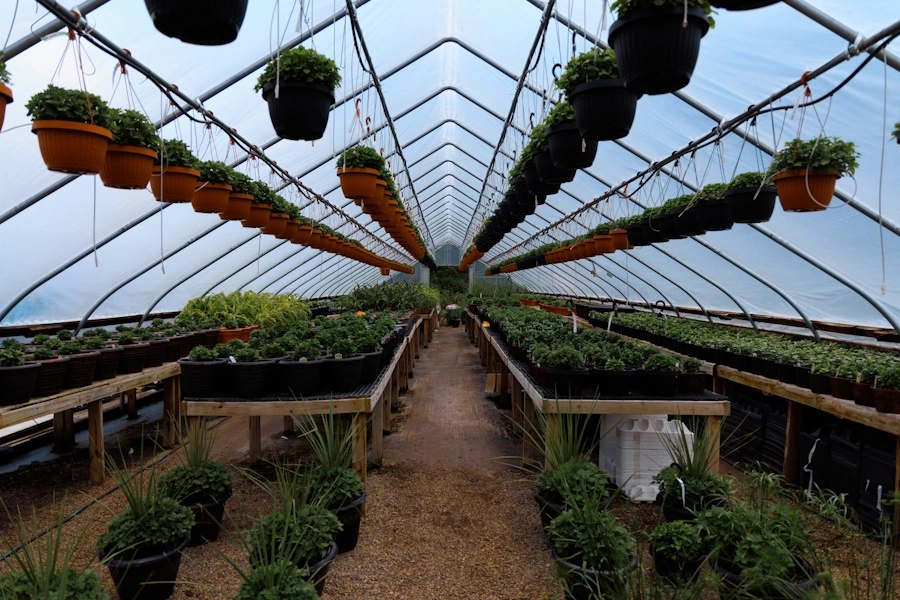
The San Juan nursery scene includes specialized operations that cater to both home enthusiasts and commercial producers. The following table highlights a notable local grower currently serving the region.
| Name | Rating | Specialization |
|---|
| CV Cacao | N/A | Tropical Cacao Nursery and Agricultural Land |
Specialized growers like CV Cacao offer specific advantages by focusing on the propagation of high-quality cacao specimens and facilitating land access for new cultivation projects. This model helps bridge the gap between individual gardening and larger-scale production.
Why Buy Locally Grown in PR?
Plants grown in local nurseries are already acclimated to the Puerto Rican climate, specifically USDA hardiness zones 11 through 13. When you purchase from a local nursery, you reduce the risk of transplant shock. These plants have adapted to the intense island sun, high humidity, and local soil composition. By sourcing trees or shrubs from growers familiar with the region, you ensure that your botanical investments are prepared for the specific weather patterns of the San Juan area.
Planting Guide & Popular Choices
The best time to plant in Puerto Rico is generally at the onset of the wet season, which helps establish root systems before the peak heat of the dry months. Native species, such as the Ceiba or various palm varieties, thrive with minimal intervention. For those interested in tropical agriculture, crops like cacao (Theobroma cacao) require specific shade management and soil moisture levels common to the island's landscape. Gardeners should focus on building rich, well-draining soil and utilizing organic mulch to retain moisture during periods of lower rainfall. Prioritizing native or well-adapted tropical species ensures a low-maintenance, resilient landscape that mirrors the natural beauty of the archipelago.

 C
C