

💬 187 reviews⭐ 4.8
Showing 3 verified nurseries & garden centers near you
 B
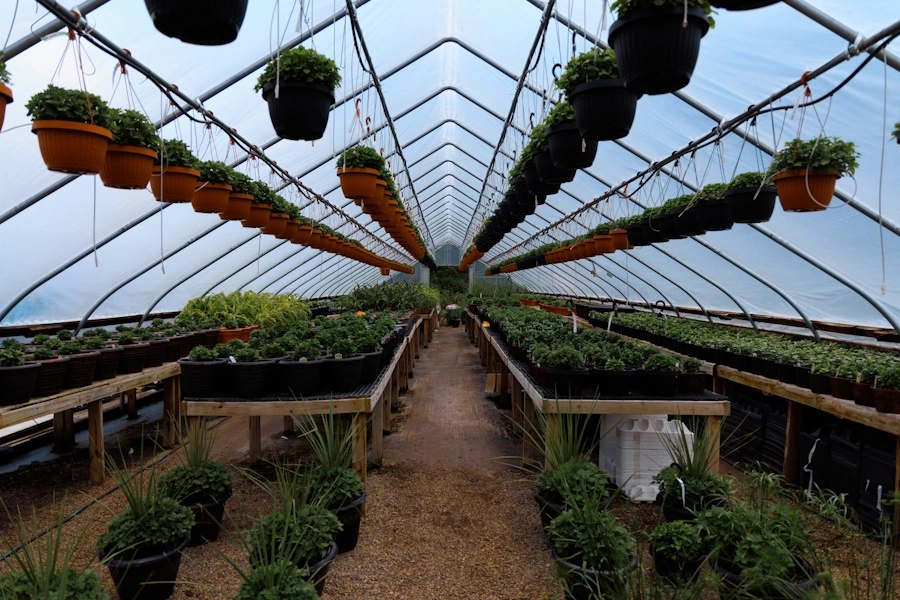
BBristol, Tennessee, maintains a focused selection of professional growers and retailers. With three primary nurseries serving the immediate region, homeowners find sufficient resources to support both small backyard projects and larger landscaping endeavors. These local garden centers function as the primary bridge between botanical research and residential soil, offering plant stock that is generally better suited to the specific demands of the Southern Appalachian climate than the generic inventory found in national big-box retailers. By sourcing from a local nursery, buyers effectively bypass the shock often associated with plants transported from vastly different climates, ensuring higher survival rates for perennials, shrubs, and ornamental trees.
| Nursery Name | Rating | Specialization | Type |
|---|---|---|---|
| Garden Barn | 4.8 | General plant nursery | Maps search |
| Blountville Nurseries Inc | 5.0 | General plant nursery | Maps search |
| Butler Plant Farm | 5.0 | General plant nursery | Maps search |
Garden Barn stands as the most prominent establishment in the area with 187 reviews. Its high volume of feedback suggests a consistent inventory turnover, which is critical for ensuring the health of annuals and seasonal stock. Customers visiting this location benefit from a high-traffic operation that likely keeps a broad variety of general landscaping supplies on hand.
Blountville Nurseries Inc maintains a perfect rating, albeit with a smaller sample size of reviews. Small, highly-rated nurseries often focus on personalized service and the long-term health of their stock rather than high-volume throughput. This type of operator is frequently the best source for advice on local pest management and specific regional soil issues.
Butler Plant Farm rounds out the top tier with a 5.0 rating. As a niche plant farm, this facility likely prioritizes the cultivation or specialized sourcing of specific cultivars. For gardeners looking for established plants that have been hardened off in the local climate, this nursery offers the benefit of expert-led production and care.
Tennessee sits largely within USDA hardiness zones 6b to 7b. This climate requires a strategic approach to gardening. Summers bring high humidity and frequent heat waves, while winters can experience sharp drops in temperature that require cold-hardy selections. Buying from local growers is a major advantage because these plants have been acclimated to Tennessee's specific temperature swings.
Ultimately, successful gardening in the Bristol area depends on your ability to work with, not against, the local topography and climate. Building a relationship with staff at your local garden center allows for real-time adjustments to your strategy based on the specific year's rainfall, pest pressures, and temperature patterns.
A: Local nurseries in Bristol prioritize plant stock that is acclimated to Tennessee’s specific hardiness zones. Unlike large retailers that ship inventory from distant, climate-controlled greenhouses, local growers offer plants already hardened to our regional temperature swings. This local acclimatization drastically improves survival rates for your garden, reduces the need for excessive chemical intervention, and ensures that you are planting species that actually thrive in the Appalachian climate.
A: Autumn is the ideal window for planting in Tennessee. As air temperatures cool, plants focus energy on root development rather than new top growth. This head start allows them to establish themselves before the intense summer heat returns. If you choose to plant in the spring, ensure you do so early enough to allow for thorough root establishment before the humidity and high temperatures of late June settle in.
A: Clay soil is common in the Bristol area and can inhibit drainage if left unmanaged. To improve your gardening success, focus on incorporating high-quality organic matter, such as compost or well-aged manure, into your garden beds. This creates a better structure for roots to penetrate, improves aeration, and helps maintain a more stable soil moisture level, which is critical for both drought-tolerant native plants and more sensitive perennials.
A: Absolutely. Native Tennessee plants, such as various species of Aster, Coneflower, and native shrubs, are evolved to handle our unique regional weather patterns and soil characteristics. Once established, they generally require less irrigation, fewer fertilizers, and minimal pesticide use compared to non-native or exotic cultivars. By choosing natives, you are creating a resilient garden that supports local pollinators and requires significantly less maintenance throughout the growing season.
A: A nursery typically focuses on the actual production or propagation of plants, meaning they may grow their inventory on-site. A garden center, by contrast, is more of a retail-focused establishment that sources a broader variety of plants, tools, mulch, and hardscape materials. In many cases, specialized local nurseries offer better expertise on specific plant health, while garden centers provide the convenience of one-stop shopping for all your gardening project needs.