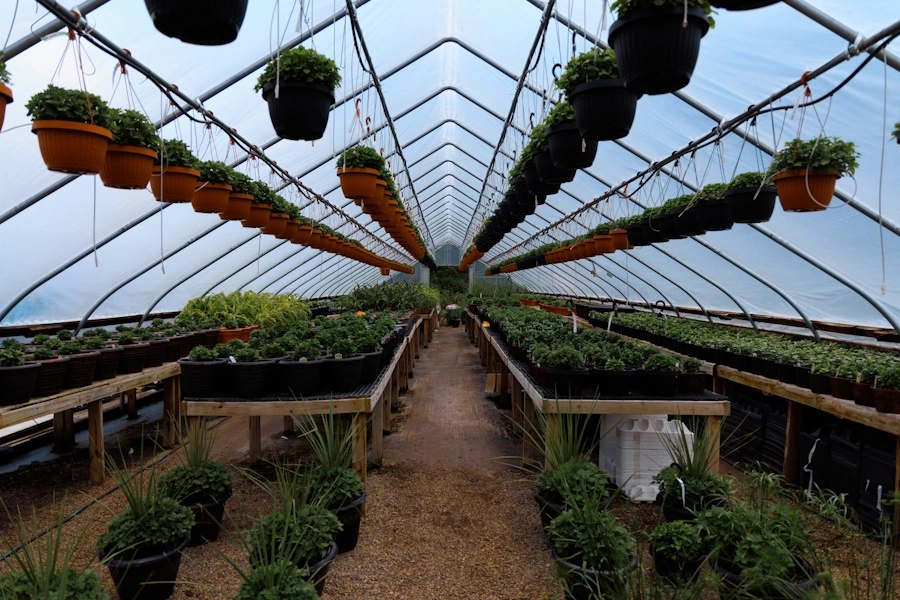
Local Nursery Scene in Round Rock
The horticultural market in Round Rock, Texas, maintains a lean but functional landscape, with two primary suppliers serving local homeowners. While the number of dedicated outlets is limited, both establishments focus on the specific needs of the Central Texas climate. This region generally falls within USDA Hardiness Zone 8b, characterized by intense summer heat, sporadic rainfall, and occasional hard freezes. Success in local gardening requires a departure from generic store-bought options in favor of species that thrive in alkaline, clay-heavy soils or well-draining rocky substrates. These local nurseries act as essential hubs, filtering out varieties that fail in the Texas heat and promoting plants that survive the volatile regional climate.
Comparison of Top Nurseries
| Nursery Name | Rating | Specialization | Type |
|---|
| Round Rock Garden Center | 4.5 | Native plants & maintenance | Garden Center |
| Round Rock Gardens | N/A | Native plants & professional plant care | Garden Center |
Deep Dive into Nurseries
Round Rock Garden Center maintains a strong retail presence with a 4.5-star rating based on 735 reviews. They operate as both a supplier and a resource center, offering native flora alongside soil amendments and pest control services. Their 50-mile delivery radius covers a wide portion of the Greater Austin region, and their staff provides hands-on diagnostic support for plant diseases.
Round Rock Gardens functions as a comprehensive garden center, though it currently lacks a public review score. Because it operates as a full-service garden center rather than a bulk landscaping supply yard, buyers can expect curated plant selections, decorative pottery, and professional services like their 'Plant Nanny' program. These boutique services often provide higher horticultural value than big-box stores, as staff can offer specific advice on plant placement and soil prep for local residential lots.
Buying Guide for TX Gardeners
Gardening in Round Rock is a challenge of adaptation. Following these guidelines ensures you invest in plants that actually survive the local seasons.
- Prioritize Native Species: Texas native plants are adapted to the specific water and temperature cycles of the region. They require less irrigation, fewer fertilizers, and have higher resistance to local pest populations compared to imported tropicals.
- Check Root Systems: Before purchasing, inspect the container for root-bound conditions. Plants that have been in the same pot too long often fail to establish a deep root system once planted in the ground, leading to failure during the first heatwave.
- Buy Acclimated Plants: Local nurseries often source plants from growers already familiar with the Texas climate. These plants are hardened off, meaning they can handle the abrupt transitions in weather—from dry spells to sudden intense storms—better than those shipped from milder northern climates.
- Assess Soil Conditions: Round Rock soil is often heavy clay. Before planting, consult nursery staff about soil amendments like expanded shale or organic compost. These inputs improve drainage and prevent root rot in high-heat conditions.
- Seasonal Strategy: In Central Texas, the best time to establish perennials and woody ornamentals is during the fall. Autumn provides enough time for root systems to expand before the onset of the summer heat. If you must plant in the spring, ensure irrigation systems are operational before installation.
The reliance on two primary garden centers highlights the need for local shoppers to engage directly with experts. When purchasing from smaller, specialized centers, you gain access to diagnostic tools and regional knowledge that generic hardware stores simply do not possess. Always ask about the specific light and water requirements for the location on your property; a plant that thrives in a shady North Austin garden may struggle in the direct sun of a new Round Rock development. By aligning your planting calendar with regional moisture patterns, you can cultivate a landscape that remains resilient throughout the year.