

💬 73 reviews⭐ 4.5
Showing 4 verified nurseries & garden centers near you


 P
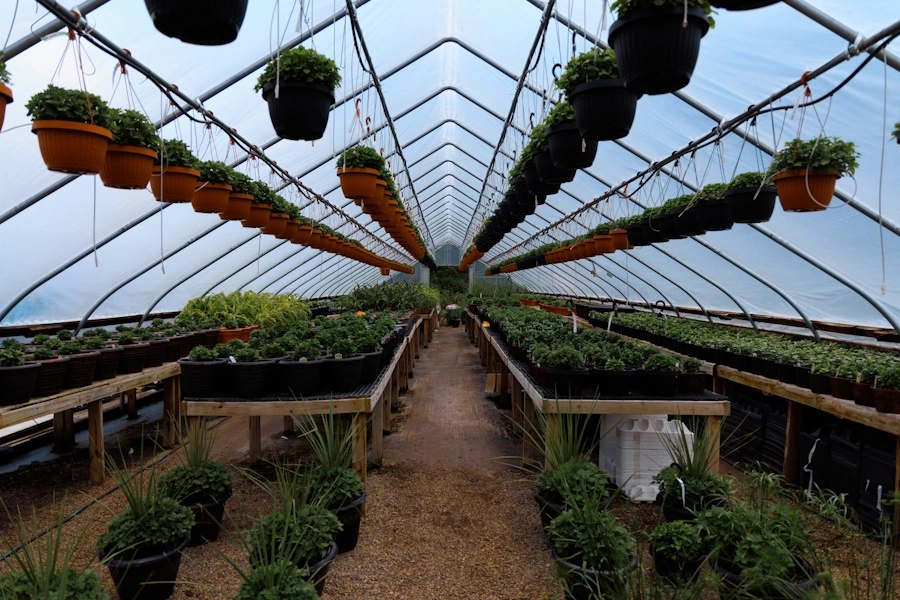
PRare Perennial and Native Nursery. Top products: Rare and endangered wildflowers, Hardy tropical plants, Temperate perennials, Alpines, Perennial vegetables. Pollinator Rare Plants is a Certified Naturally Grown nursery dedicated to the preservation and propagation of rare, endangered, and extinct plant species. Based on an ecological mission, the business focuses on offering unique, seed-grown plant material that is often overlooked by commercial horticulture. Their offerings are organized into specialized collections, ranging from Appalachian wildflowers and tough alpine varieties to hardy tropicals and perennial vegetables. The nursery prioritizes biodiversity and genetic preservation, emphasizing the use of local ecotypes. Their growing practices are strictly organic, eschewing synthetic pesticides, herbicides, and fertilizers. Sustainability is a core tenet of their operations, utilizing peat-free, renewable potting media, minimal climate control in greenhouses to bolster plant resilience, and reusable, durable containers. The nursery targets dedicated plant collectors, conservation-minded gardeners, and enthusiasts seeking rare genetic stock for both indoor and outdoor cultivation.
Bristol hosts a focused selection of four nurseries that serve the regional horticultural needs of Southwest Virginia. Unlike metropolitan areas flooded with chain retailers, this local market relies on specialized providers. Buyers here can source everything from common garden staples to highly specific, rare genetic stock. Whether you are managing a small residential patio or a large conservation plot, these four businesses represent the primary nodes of the local green industry.
| Nursery Name | Rating | Specialization | Type |
|---|---|---|---|
| Herbal Care Plus LLC | 4.5 | General Nursery | Maps Search |
| Lee Highway Farms | 4.2 | General Nursery | Maps Search |
| Phat Bac’s Flower Shack | 4.0 | General Nursery | Maps Search |
| Pollinator Rare Plants | N/A | Rare Perennial and Native Nursery | Maps Search |
Herbal Care Plus LLC currently maintains the highest review count in the area with 73 entries and a 4.5 rating. As a general nursery, they are the primary point of contact for gardeners seeking consistent, reliable stock for standard landscaping and home gardening projects.
Lee Highway Farms offers general nursery stock to the Bristol region. Their presence provides a necessary supply line for local homeowners looking for plant material that has been grown and maintained within the immediate environmental context of the region.
Phat Bac’s Flower Shack operates as a general nursery, providing a local alternative to large-scale retail outlets. Their focus on accessibility makes them a practical stop for seasonal bedding plants and common perennial varieties.
Pollinator Rare Plants functions as a highly specialized outlet. While lacking a public review score, their business model centers on Certified Naturally Grown practices. They offer an extensive range of rare and endangered wildflowers, hardy tropicals, and perennial vegetables. For the serious collector, they represent a vital resource for biodiversity and rare genetic stock that typical garden centers simply do not carry.
Gardening in Bristol requires an understanding of Virginia's variable climate. Most of this region falls into USDA Hardiness Zone 6 or 7, meaning plants must withstand cold winters while thriving in humid, warm summers. Local nursery stock is often the best choice because these plants are already acclimated to regional rainfall patterns, local pest pressures, and standard soil acidity levels.
By choosing local nurseries over national big-box chains, you ensure that your investment stays within the Bristol community. Furthermore, you reduce the carbon footprint associated with plant transport and minimize the risk of introducing invasive species or pests that often hitchhike on imported nursery stock. Always ask the staff about the provenance of their plants; the best growers will be able to tell you exactly how their material was cultivated.
A: Local nurseries provide plants already acclimated to the specific microclimates of Southwest Virginia. These businesses often source from local growers or produce their own stock, reducing transplant shock. In contrast, big-box stores typically ship plants from vast distances, meaning those plants may not be suited to local soil or climate fluctuations.
A: In Bristol, spring is the standard time for annuals and vegetables, but autumn is ideal for trees, shrubs, and perennials. Fall planting allows the root system to establish in the cooling soil, reducing the need for heavy irrigation during the hot, humid summer months common in the region.
A: Consult with specialists at nurseries like Pollinator Rare Plants. Native plants are adapted to local soil types and rainfall. When buying, look for labels specifying the region of origin. If a label simply says 'native,' ask if it is native to the Eastern United States or specifically to the Virginia Appalachian mountains.
A: Virginia soil often contains heavy clay that can suffocate roots. The best amendment is organic matter, such as high-quality compost or leaf mulch. This improves drainage and aeration over time. Avoid synthetic fertilizers early in the season, as they can encourage rapid, weak growth that fails when summer heat arrives.
A: A nursery typically focuses on the cultivation and propagation of plants, often specializing in specific categories like rare perennials or native wildflowers. A garden center acts more like a retail outlet, offering a wider array of finished plants, pots, fertilizers, and hardscaping materials. Some businesses, such as those found in Bristol, may function as both.