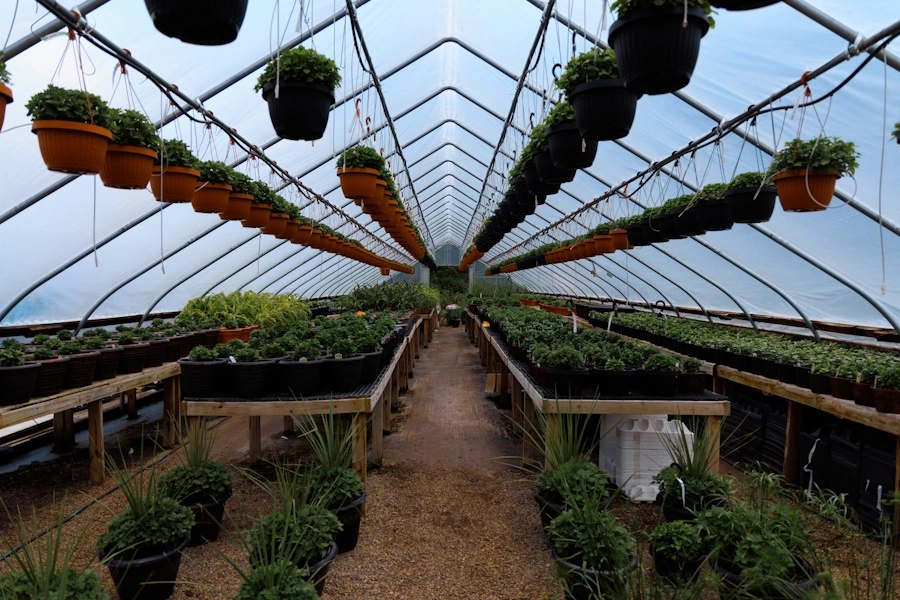
Local Nursery Scene in Beaver Dam
Beaver Dam gardeners benefit from a robust selection of independent growers. With five primary locations identified, the local market prioritizes quality over the volume-based models found at major retail chains. These nurseries and garden centers focus on plants specifically suited to South Central Wisconsin’s climate, ensuring better survival rates compared to big-box retailers that often ship inventory from warmer, southern climates. Choosing local suppliers provides access to plant varieties already acclimated to the regional frost dates and soil chemistry.
Comparison of Top Nurseries
| Nursery Name | Rating | Specialization | Type |
|---|
| Hoekstra's Market & Greenhouse, LLC | 4.8 | Flowering plants, produce | Retail greenhouse |
| Lost Lake Acres Greenhouse | 4.9 | Annuals, vegetables | Retail nursery |
| Robin's Countryside Gardens | 4.9 | Annuals, perennials | Retail nursery |
| Steinke's Greenhouse | 4.9 | General nursery | Retail plant nursery |
| Domann's Plants | 5.0 | Vegetable starts, flowers | Retail/Market vendor |
Deep Dive into Nurseries
Hoekstra's Market & Greenhouse, LLC: This facility balances its greenhouse operations with a retail market environment. They emphasize high-quality live plants alongside fresh, local produce for a one-stop seasonal experience.
Lost Lake Acres Greenhouse: As a direct-to-consumer grower, they carry premium brands such as Proven Winners and Syngenta Flowers. Their inventory includes hanging baskets and essential amendments like fertilizer and potting soil, making them a go-to for garden-ready annuals.
Robin's Countryside Gardens: Located near Hustisford, this destination nursery features an expansive 1,800-square-foot garden art shed. They focus on rotating seasonal stock and unique ornamental pieces that differentiate their retail offering from standard plant outlets.
Steinke's Greenhouse: Operating as a general plant nursery, this location serves as a reliable source for local gardeners. Their focus remains on the fundamentals of plant production for the Beaver Dam area.
Domann's Plants: This producer operates through a convenient network of local farmers' markets and community pickups. They excel in specialized vegetable starts, specifically their tomato program, alongside hardy succulents and culinary herbs.
Buying Guide for WI Gardeners
- USDA Hardiness Zones: Beaver Dam generally sits within Zone 5. Always confirm a plant’s hardiness zone before purchasing to ensure it can survive local winter temperatures.
- Acclimation Matters: Plants grown in Wisconsin greenhouses are already adjusted to our light levels and humidity. They experience less transplant shock compared to inventory trucked in from distant, temperature-controlled facilities.
- Inspect Before Buying: Check for pests on the undersides of leaves and ensure the root ball is not root-bound. Healthy local plants should have white, firm roots, not dark or mushy ones.
- Seasonal Timing: The Wisconsin growing season is short. Focus on purchasing frost-tolerant perennials in early spring, while waiting for the soil to reach at least 60 degrees Fahrenheit before installing tender vegetable starts like tomatoes or peppers.
- Soil Amendments: Local soil in South Central Wisconsin often requires organic matter to improve drainage. Incorporating compost or locally sourced potting soil, available at many of these nurseries, creates the necessary structure for healthy root development.
- Native Species: Prioritize native perennials when possible. They require less supplemental water, survive drought conditions better, and provide essential support to local pollinators.
The distinction between a garden center and a boutique nursery lies in the cultivation process. A nursery, like Lost Lake Acres or Robin's Countryside Gardens, is often the site of active growth. This means plants are fresh from the propagation bench. Garden centers may carry a mix of grown-on stock and retail resale items. By supporting these local businesses in Beaver Dam, you ensure your garden is stocked with professional-grade varieties that thrive in the specific micro-climates of Dodge County.