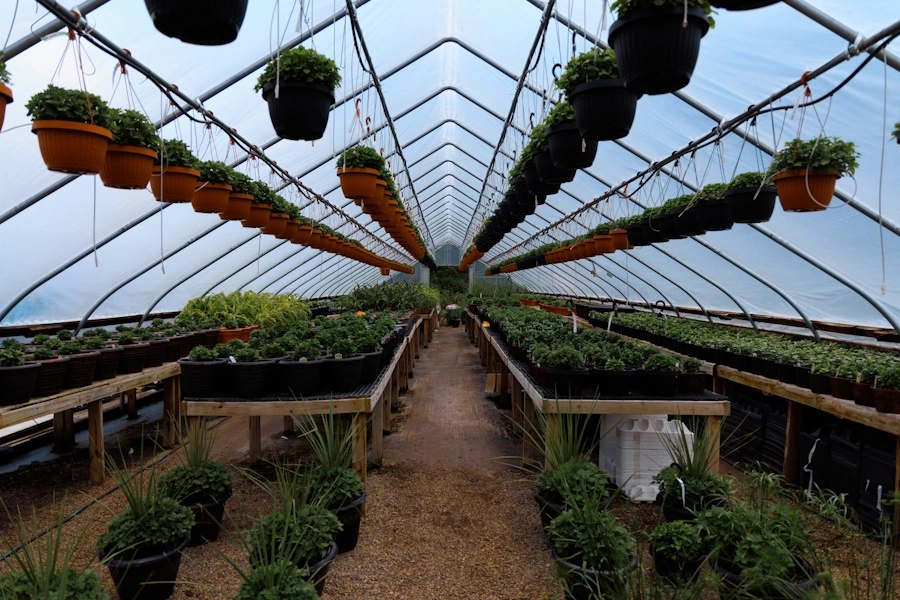
Local Nursery Scene in Neenah
Neenah supports a distinct range of horticultural resources. While the total count is limited to three primary facilities, these businesses serve different market tiers. You have access to a dedicated greenhouse operation, a community-focused urban farm, and a specialized wholesale tree grower. This diversity is essential for Wisconsin gardeners who must navigate a short growing season and fluctuating climate conditions. Local sourcing minimizes plant shock, as specimens are already acclimated to the region’s specific weather patterns, soil moisture levels, and temperature extremes.
Comparison of Top Nurseries
| Nursery Name | Rating | Specialization | Type |
|---|
| Watter Farms | 4.8 | Greenhouse/Ornamentals | Greenhouse and Nursery Grower |
| The Garden | 4.9 | Urban Farming/Retail | Urban farm and nursery |
| Leaves Inspired Tree Nursery | 5.0 | Deciduous Trees | Wholesale Deciduous Tree Nursery |
Deep Dive into Nurseries
Watter Farms functions as a full-scale greenhouse operation that produces its inventory on-site. Their methodology combines historical greenhouse infrastructure with modern care to produce robust basil, potted plants, and various ornamentals suitable for local planting.
The Garden bridges the gap between a traditional garden center and an urban farm. By managing an acre of organic, chemical-free vegetable crops, they provide high-quality produce alongside a curated retail space that prioritizes sustainable living and local artisanal products.
Leaves Inspired Tree Nursery operates as a professional-grade wholesale source for deciduous shade and ornamental trees. They specialize in ball and burlap (B&B) as well as bareroot formats, serving commercial needs and large-scale landscaping projects that require structurally sound, field-grown trees.
Buying Guide for WI Gardeners
Neenah falls within the USDA hardiness zone range of 5a to 5b. This dictates a limited window for frost-sensitive plants and requires an emphasis on native species that can withstand harsh winters and variable summer precipitation. When selecting a local nursery or garden center, consider these criteria:
- Acclimation: Prioritize plants grown locally. These specimens have not been stressed by long-distance shipping and are biologically prepared for Wisconsin’s seasonal shifts.
- Health Checks: Inspect foliage for signs of pests or fungal issues. Check the root system; if roots are circling the perimeter of the pot, they are root-bound and will struggle to establish in the landscape.
- Hardiness: Always verify the plant’s hardiness zone on the tag. Avoid purchasing perennial stock intended for warmer zones, as it will likely not survive a Neenah winter.
- Soil Biology: Wisconsin soil can be heavy clay. Purchase amendments locally, as local garden centers often carry products optimized for correcting regional pH and drainage issues.
- Planting Windows: Use the late spring thaw (post-Mother’s Day is the unofficial rule) for annuals and warm-season vegetables. Fall is the optimal time for planting trees and shrubs to allow roots to establish before the ground freezes.
Buying from independent nurseries offers distinct advantages over big-box retailers. Local growers maintain specialized knowledge of the Fox Valley climate and can provide nuanced advice on which cultivars perform best in the specific light and soil conditions of your yard. Furthermore, small-scale operations often utilize growing media and fertilizers that result in stronger root systems, increasing the likelihood of long-term success. While wholesalers like Leaves Inspired Tree Nursery focus on large-scale stock, retail destinations like Watter Farms and The Garden allow for personalized interaction. Visiting these sites allows you to see the health of the plants first-hand, ensuring that your investment in your garden landscape provides value for years to come.