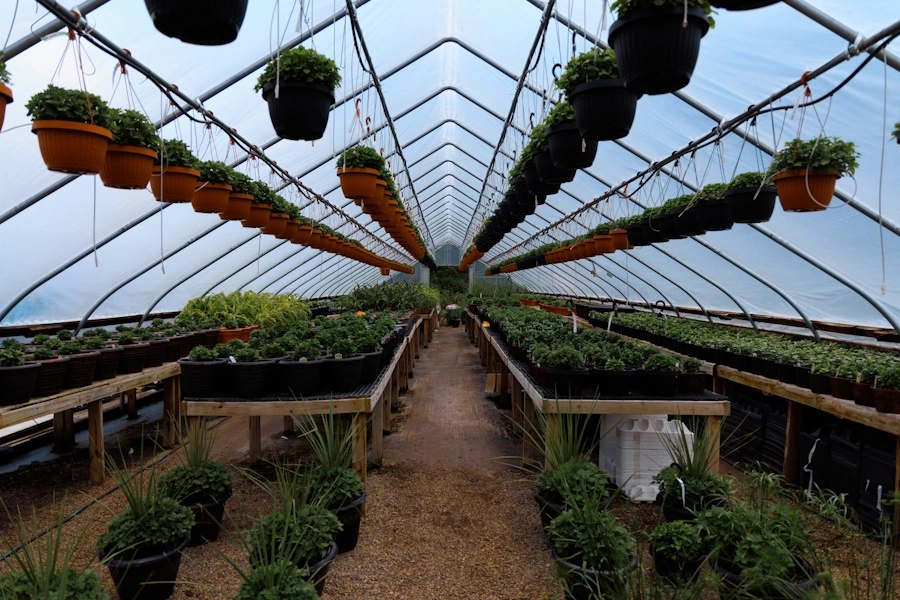
Local Nursery Scene in River Falls
River Falls and the surrounding Western Wisconsin region host 11 distinct plant nurseries, offering a range of options from specialized native propagation to large-scale tree installation. The regional climate, characterized by USDA Hardiness Zones 4a and 4b, necessitates careful selection of plant material that can withstand cold winters and specific seasonal shifts. Local suppliers prioritize plants that are already acclimated to this environment, reducing transplant shock and increasing long-term survival rates for residential and commercial landscapes.
Comparison of Top Nurseries
| Nursery Name | Rating | Specialization | Type |
|---|
| Farrill's Sunrise Nursery | 4.6 | Annuals & Vegetable Starts | Retail Garden Center |
| Garden Divas | 4.8 | General Plant Selection | Plant Nursery |
| Cedar Hill Farm | 4.4 | Dahlias & Produce | Greenhouse/Farm |
| Skyline Greenhouse | 4.6 | General Plant Selection | Plant Nursery |
| Barnyard Botanicals | 4.9 | General Plant Selection | Plant Nursery |
| Stockholm Gardens | 4.6 | Perennials & Heirlooms | Retail Garden Center |
| Kinnickinnic Natives | 4.8 | Native Species | Native Plant Nursery |
| Cottor Tree Farms | 5.0 | Mature Tree Installation | Tree Farm/Nursery |
| Cedar Valley Nursery | 5.0 | Mature Trees & Mulch | Tree Nursery/Landscaping |
| Southern Belle Nursery | 3.7 | General Plant Selection | Plant Nursery |
Deep Dive into Nurseries
Farrill's Sunrise Nursery and Garden Center serves as a retail destination for annuals and culinary herbs, focusing on patio and garden enhancement. Their inventory caters to seasonal planting schedules, ensuring residents have access to high-quality starts for immediate impact. Garden Divas maintains a strong local reputation as a general plant nursery, providing diverse options for varied landscaping needs. Cedar Hill Farm and Greenhouse operates as a community-focused hub, blending greenhouse production with a RekoHub ordering system for fresh produce and dahlia tubers. Skyline Greenhouse Nursery provides a standard nursery selection for general regional gardening, offering consistent supply for local growers. Barnyard Botanicals stands out with high customer satisfaction for their selection and quality, functioning as a reliable local plant supplier. Stockholm Gardens, located on a historic farmstead, emphasizes organic, heirloom-quality perennials and trees, supported by a selection of garden hardscapes like ceramic pottery. Kinnickinnic Natives is the primary local resource for ecological restoration, focusing on native perennials, prairie grasses, and woodland species that support the local watershed. Cottor Tree Farms provides high-capacity tree transplantation services, using specialized spades to install large deciduous and evergreen specimens across Western Wisconsin. Cedar Valley Nursery functions as a full-service horticultural partner, offering state-inspected stock, landscape planning, and bulk materials like black dirt and mulch to maintain soil health. Southern Belle Nursery rounds out the regional options, providing general plant material for varied residential needs.
Buying Guide for WI Gardeners
- Prioritize Native Species: Choosing native plants like those found at Kinnickinnic Natives ensures your garden provides essential support to local pollinators and is already adapted to regional precipitation levels.
- Check Root Health: When buying from a garden center, gently lift the plant from its pot. A healthy plant should show firm, white roots rather than circling, mushy, or completely root-bound masses.
- Understand Hardiness Zones: Wisconsin winters are harsh. Always check that the plant label is hardy to Zone 4 to ensure it can survive the winter without significant protection.
- Timing is Everything: While many retailers open in April, wait until the danger of frost has passed—usually late May in this region—before planting tender annuals or warm-season vegetables.
- Local Growers vs. Big Box: Buying from a local nursery ensures you get varieties tested for regional climate performance. Local experts can also provide site-specific advice on soil amendments like compost or mulch, which are often lacking in big-box mass-market stock.
- Soil Preparation: Before introducing new nursery stock, test your soil. Adding organic matter helps retain moisture during dry spells and improves drainage in heavy clay soils common in the St. Croix Valley.