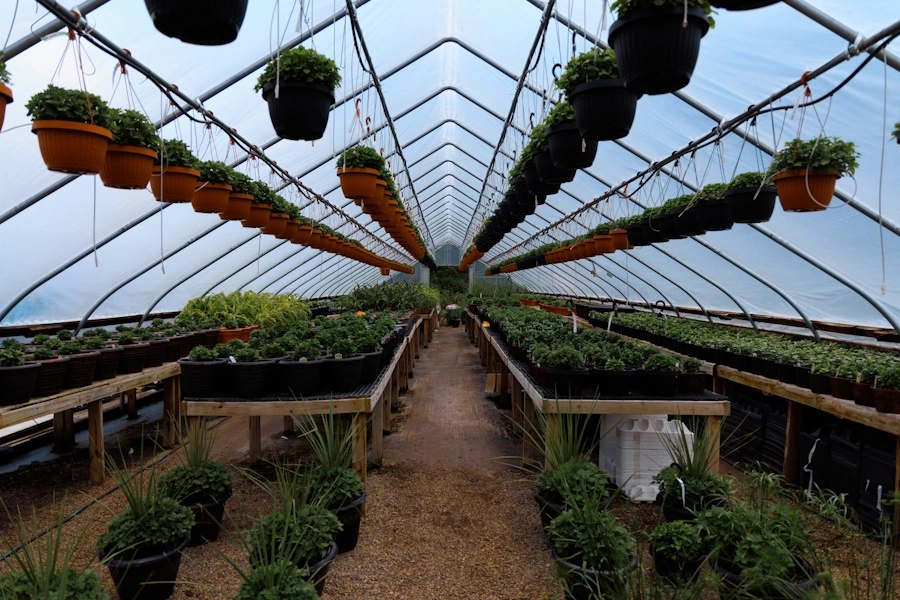
Local Nursery Scene in Superior
The horticultural landscape around Superior, Wisconsin, provides gardeners with seven distinct options for sourcing plant material. This region demands careful planning due to its specific USDA hardiness zone, which typically ranges from zone 3 to 4. Cold winters and short, intense growing seasons make the selection of locally-hardy perennials and trees critical for long-term success. Superior gardeners benefit from a network of nurseries and garden centers that specialize in plants capable of weathering these temperature extremes. Whether you are looking for bulk landscaping supplies for a commercial project or specific vegetable starts for a home garden, these seven establishments provide the necessary resources to manage the regional environment effectively.
Comparison of Top Nurseries
| Nursery Name | Rating | Specialization | Type |
|---|
| A+ Garden Center | 4.6 | Trees, Shrubs, Bulk Material | Retail Garden Center |
| Peterson Greenhouse | 5.0 | General Plants | Nursery |
| Wentworth Gardens | 4.4 | Annuals, Vegetables, Planters | Full-service Garden Center |
| Duluth Flower Farm | 5.0 | Floral Design, Bedding Plants | Nursery and Florist |
| Brule Jem Greenhouse | 5.0 | General Plants | Nursery |
| The Green House Duluth | N/A | Regional Native Plants | Regional Garden Center |
| The Green House Superior | N/A | Regional Flora | Retail Garden Center |
Deep Dive into Nurseries
- A+ Garden Center: This family-operated business offers a massive inventory, including over 130 varieties of trees and shrubs. They excel in providing bulk mulch, soil, and gravel for landscaping, making them a preferred choice for heavy-duty residential projects.
- Peterson Greenhouse: As a dedicated greenhouse, this facility focuses on the fundamental aspects of plant propagation and retail. Their perfect rating suggests a high level of plant health and attentive service for those seeking reliable, locally-grown starts.
- Wentworth Gardens: Since 1996, this garden center has served the local community with a mix of aesthetic and edible plants. Their on-site gift shop and focus on succulents and custom planters provide unique options for seasonal home decor.
- Duluth Flower Farm: Managed by the Hoffbauers, this location serves as both a nursery and a high-end floral studio. They provide custom arrangements for weddings while maintaining a strong selection of vegetable starts and perennials for home growers.
- Brule Jem Greenhouse: Operating as a specialized nursery, this location provides essential plant stock for the area. Their focus on the greenhouse model ensures that customers receive plants nurtured in a controlled, local environment.
- The Green House Duluth: Though rating data is currently absent, this business is a major regional player focusing on local hardiness. Over 80% of their stock is grown in Minnesota, ensuring that their perennials and shrubs are fully acclimated to the harsh climate.
- The Green House Superior: Like their Duluth counterpart, this garden center emphasizes regional, climate-appropriate inventory. They function as a community hub, providing professional consultation services for garden design and event support to help residents navigate local soil conditions.
Buying Guide for WI Gardeners
Success in a northern garden requires more than just water and sunlight; it demands an understanding of local ecological realities. When you purchase from local garden centers, you are buying plants that have been vetted for the specific frost dates of Northern Wisconsin.
- Check for Hardiness: Always prioritize plants labeled for USDA zones 3 or 4. Anything rated for warmer zones likely will not survive a typical Superior winter.
- Inspect Foliage and Roots: Before buying, check the underside of leaves for pests and ensure roots are not circling the container tightly. A healthy root system is the strongest indicator of long-term survival.
- Lean Toward Native Species: Native plants are naturally adapted to Wisconsin soil and local pollinators. They require less supplemental irrigation and fewer chemical amendments than non-native alternatives.
- Time Your Planting: Avoid planting warm-season vegetables until the danger of frost has passed, usually late May or early June in the Superior region. For trees and shrubs, fall planting is often preferred as it allows the root system to establish during the cooler, wetter months.
- Soil Amendments: The soil in this region can vary significantly in clay content. Using local bulk soil and compost from a trusted nursery can vastly improve drainage and nutrient retention, which is essential for both vegetable patches and flower beds.