The Microgreens Market in Alaska
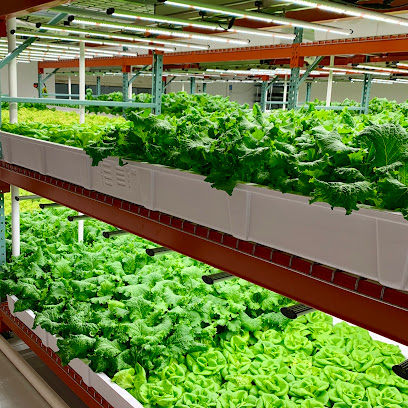
The Alaskan microgreens market currently operates within a constrained, high-demand environment. With a short, intense outdoor growing season and heavy reliance on imported perishables, the state presents unique challenges for commercial greens production. Currently, verified production is concentrated in Anchorage, where Anchorage Greens leads the local market. The shift toward indoor, controlled-environment agriculture (CEA) is not merely a trend in Alaska; it is a logistical necessity. High transportation costs for fresh produce from the Lower 48 make locally grown microgreens economically viable despite high energy costs for heating and supplemental lighting.
Top Cities for Fresh Greens
Anchorage stands as the primary hub for urban agriculture in Alaska. The city's infrastructure provides the necessary supply chain density to support indoor vertical farming operations. As the state’s largest population center, Anchorage offers the consistent consumer base required to sustain high-turnover crops like micro-arugula, pea shoots, and radish microgreens. While rural regions of Alaska face significant barriers regarding reliable electricity and distribution, Anchorage producers benefit from direct access to premium dining establishments and high-end grocery retailers. The market concentration in Anchorage reflects the broader reality of Alaskan logistics: population density is the primary driver for agricultural viability.
Alaska Climate & Indoor Farming
Alaska’s subarctic climate mandates a radical departure from traditional open-field farming. During the winter months, daylight hours are insufficient for photosynthesis, rendering outdoor production impossible for much of the year. Indoor farming, specifically hydroponics and vertical racking systems, circumvents these limitations. Temperature control is the primary operational hurdle; maintaining a stable climate within an indoor facility requires significant investment in insulation and HVAC systems to combat sub-zero exterior temperatures. However, the state’s abundance of water resources provides a strategic advantage for hydroponic growers compared to arid-climate urban farms in the American Southwest. Growers in Alaska must prioritize energy efficiency, often utilizing LED lighting arrays to minimize heat signatures and electricity consumption. By controlling the photoperiod, Alaskan growers can achieve year-round production, effectively decoupling their output from the state’s extreme solar seasonality. This consistency is precisely what makes local providers like Anchorage Greens essential to the regional food security framework.
Sourcing Locally in AK
Residents, chefs, and wholesale buyers looking to incorporate fresh, Alaskan-grown microgreens into their supply chains should prioritize direct engagement with established local growers. To ensure maximum nutrient density and shelf life, follow these sourcing guidelines:
- Verify Harvest Dates: Microgreens are highly perishable. Always request produce harvested within 24-48 hours of delivery.
- Assess Growing Methods: Inquire if the farm uses organic-certified substrates and non-GMO seeds. Hydroponic systems in Alaska should be closed-loop to minimize water waste.
- Direct-to-Consumer Models: Look for farms like Anchorage Greens that offer direct purchase options, bypassing traditional retail distribution which can add days of transit time.
- Seasonal Availability: While indoor farming allows for year-round production, some varieties may rotate based on seed availability and energy costs. Communicate with growers to align your menu or inventory needs with their production cycles.
- Logistical Partnerships: If you are located outside of the immediate Anchorage area, inquire about cold-chain transport options. Maintaining the cold chain is critical for microgreen longevity in Alaska’s variable climate.