Local Microgreens Market in Fresno
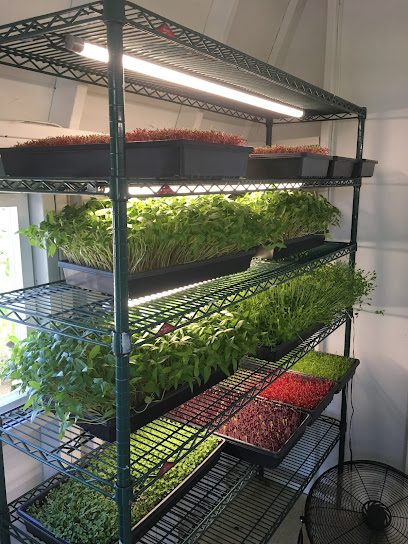
Fresno’s agricultural identity is shifting. While the Central Valley is historically known for large-scale commodity crops, a localized microgreens movement is taking root. Currently, the market is served by two primary players: Talia's Microgreens and Baron's Microgreens. These operations bypass the traditional long-haul distribution model, providing hyper-local access to nutrient-dense, immature greens. Because these farms rely on indoor controlled-environment agriculture, they mitigate the risks associated with Fresno’s extreme seasonal heat. By utilizing vertical farming and hydroponic systems, these growers maintain consistent production cycles regardless of the scorching valley sun, ensuring that consumers receive greens harvested at the peak of their 10-21 day growth cycle.
Comparison of Top Growers
| Farm Name | Rating | Specialization | Type |
|---|
| Talia's Microgreens | 5 | General urban farm | Organic farm |
| Baron's Microgreens | 4.9 | Microgreens and cold-pressed juice | Organic farm |
Deep Dive into Suppliers
Talia's Microgreens operates as an organic urban farm. With a perfect 5-star rating, they prioritize quality and consistency for their local customer base.
Baron's Microgreens functions as a dual-purpose facility, producing organic microgreens alongside a line of cold-pressed juices. They bridge the gap between simple garnishes and core culinary ingredients by supplying both retail stores and local restaurants.
Nutritional Science and Urban Demand
Microgreens are more than just aesthetic additions to a plate. These seedlings—often harvested within weeks of germination—contain significantly higher concentrations of vitamins, minerals, and antioxidants compared to their mature counterparts. Broccoli microgreens, for instance, are dense in sulforaphane, a compound linked to anti-inflammatory benefits. Radish microgreens offer a sharp, pungent bite and are packed with vitamin C and E. Pea shoots provide a sweet, crunchy profile, delivering essential amino acids and fiber. For Fresno residents, sourcing these locally is critical. Microgreens are highly perishable; once harvested, their nutrient profile begins to degrade rapidly. By buying from local growers like Talia's or Baron's, residents avoid the nutrient loss that occurs during the multi-day transit times required by national distributors. Local indoor farming allows for a 'harvest-to-table' window of less than 24 hours. This proximity ensures that the enzymatic activity and structural integrity of the plant are preserved, providing maximum value for the consumer's health-conscious dollar.
Buying Guide for CA Residents
- Check for Turgidity: Fresh microgreens should stand upright and look crisp. If the stems appear wilted or slimy, they have likely exceeded their shelf life or were stored in improper humidity.
- Observe the Roots: If buying 'living' trays, the roots should look white and healthy. Any brown discoloration or a musty odor indicates rot or poor cultivation practices.
- Prioritize Organic Labels: Because microgreens are consumed raw and in their entirety, organic certification ensures that the growing medium and seeds are free from synthetic pesticides and chemical fertilizers.
- Understand the Climate Advantage: Fresno’s intense heat makes outdoor farming difficult for delicate greens. By supporting local indoor, vertical, or hydroponic farms, residents reduce their carbon footprint while ensuring that their food is grown in a climate-controlled environment that minimizes the need for heavy water usage and chemical interventions.
- Ask About Harvest Dates: Always confirm the harvest date. Microgreens are best consumed within 5 to 7 days of being cut if kept in proper refrigeration.