The Microgreens Market in California
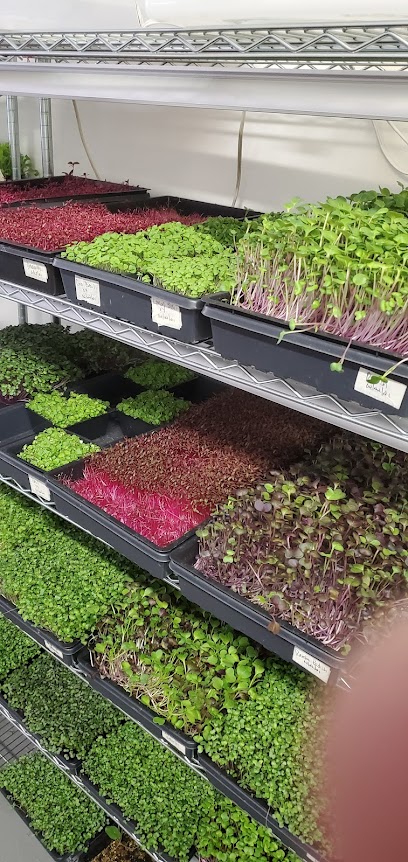
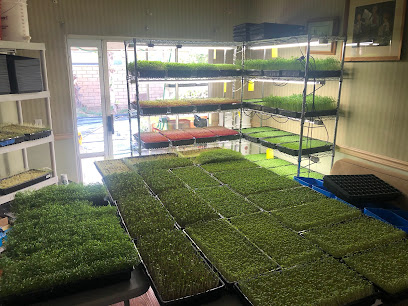
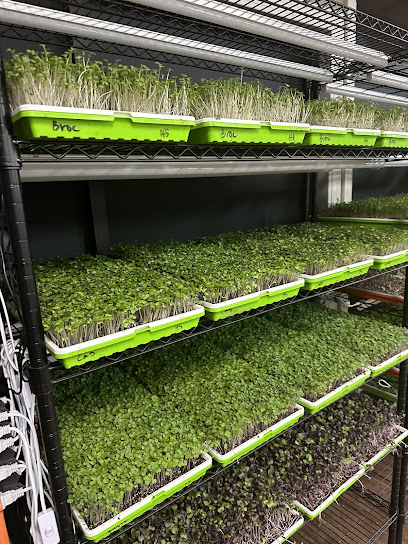
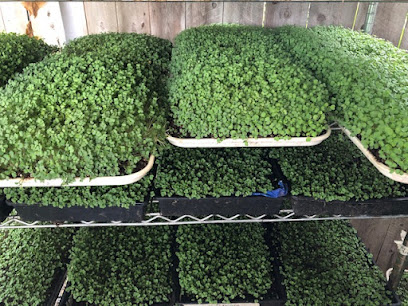
California currently hosts 44 verified microgreen operations distributed across 32 distinct cities. The market is defined by a shift from traditional field-grown produce to controlled-environment agriculture. This transition is not merely a trend; it is a necessity driven by the state's volatile water supply and the high demand for nutrient-dense, hyper-local produce in urban centers. Professional growers are increasingly adopting vertical farming techniques to maximize yield per square foot while minimizing water wastage. High-rated producers such as Fred's Urban Farm, Yossi's Farm, and Living Green Micros demonstrate a clear focus on quality, consistently achieving 5-star consumer ratings. The sector is bifurcated between small-scale boutique urban farms and larger, established produce wholesalers like Malaia's Microgreens and Fresh Origins, which service the high-end restaurant trade.
Top Cities for Fresh Greens
Urban farming density in California correlates directly with population density and the presence of a robust culinary scene. Los Angeles leads the state with 4 verified farms, reflecting the city's massive demand for fresh, organic ingredients in the hospitality sector. Other hubs show a strategic distribution of growers across diverse climates. Vallejo, San Jose, Napa, Camp Pendleton South, Santa Clarita, Palm Springs, Encinitas, Casa de Oro-Mount Helix, and Olivehurst each maintain 2 verified farms. This dispersion suggests that microgreen production is becoming a decentralized industry. Growers in these regions are strategically located to minimize the 'last mile' of delivery, ensuring that delicate greens reach chefs and consumers within hours of harvest rather than days.
California Climate & Indoor Farming
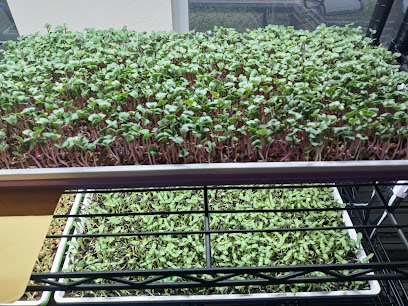
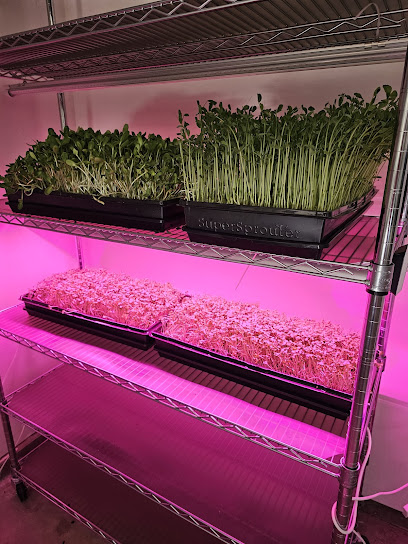
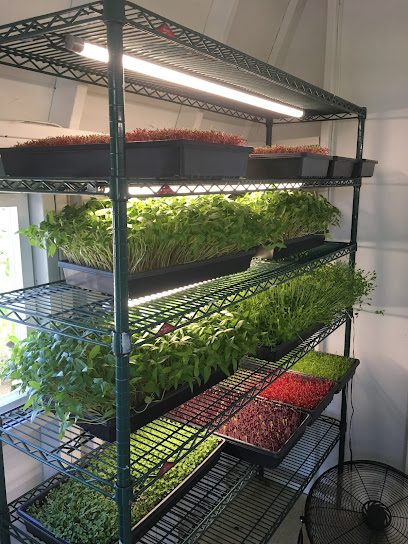
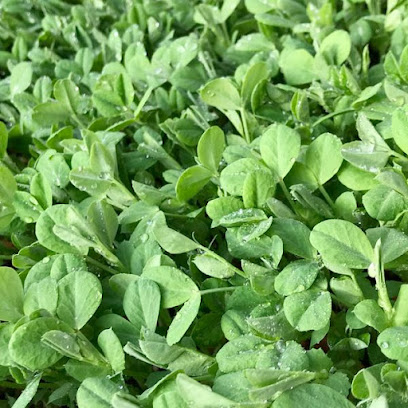
California’s Mediterranean climate presents a paradox for agriculture. While the long growing season is historically beneficial, recurring drought conditions and strict water usage regulations have crippled traditional water-intensive farming. Microgreen production provides a technical solution to these environmental constraints. Hydroponic and vertical farming systems recirculate water, using up to 90% less than traditional soil-based agriculture. By moving production indoors, farmers remove the variables of heat waves and dry spells. Operations like Hemet Valley Microgreens and Coachella Urban Farms utilize controlled environments to ensure consistent supply regardless of external ambient temperature. This shift reduces the reliance on long-haul logistics, which is crucial in a state where transportation emissions and supply chain disruptions can significantly impact the quality of perishable goods like radicle roots or pea shoots.
Sourcing Locally in CA
For restaurants, grocery buyers, and health-conscious residents, sourcing locally is the most effective way to ensure peak nutrient content. Consider the following when evaluating local suppliers:
- Verify Farming Methodology: Check if the producer uses organic practices, as seen with Baron's Microgreens or Etum Organics. Indoor farms should prioritize food safety certifications to mitigate risks associated with high-density production.
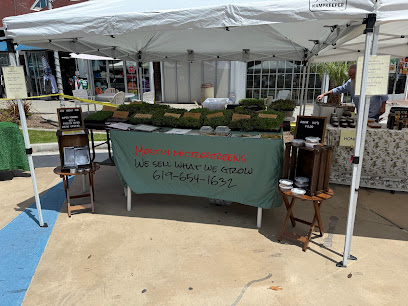
- Evaluate Logistics: Microgreens are highly perishable. Prioritize suppliers that offer direct-to-door delivery or frequent drops to local markets to ensure maximum shelf life.
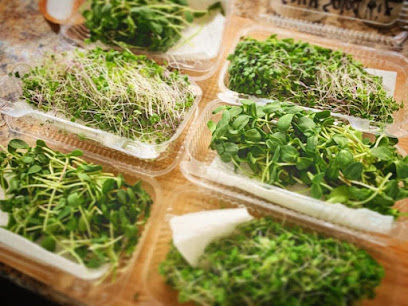
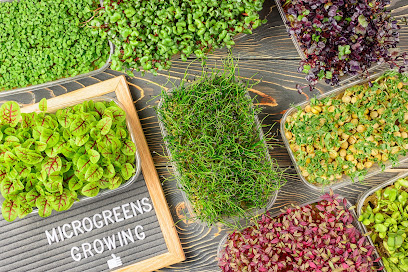
- Assess Crop Diversity: Top-tier producers like Vision Sprouts and Microgreens or Hearty Greens LLC often offer a rotating selection of varieties, from spicy radish to delicate sunflower shoots.
- Check Ratings and Consistency: Review platforms and previous batch consistency are indicators of operational stability. Farms with established reputations like Plant Beach Farm or Little Sprouts Micro Farm provide reliable benchmarks for quality.
- Proximity to Hubs: Leverage the concentration of farms in your specific city. If you are in a hub like San Jose or Santa Clarita, prioritize local growers to minimize the time between harvest and consumption.