
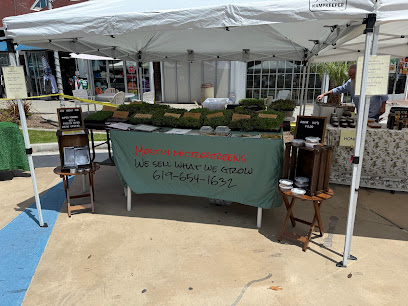
Verified Microgreen Farm in Santee
Showing 1 organic producers near you
Switch city:
Loading Map...
Top Rated Farms in SANTEE
The Rise of Urban Farming in Santee
Santee is seeing a transition toward hyper-local food production. Urban farming allows residents to access nutrient-dense produce with minimal transport time. By utilizing vertical racks and controlled-environment agriculture, local growers are bypassing traditional field-grown limitations to provide fresh greens throughout the year.
Current Local Growers
The following table lists active participants in the Santee microgreens market:
| Farm Name | Specialty |
|---|---|
| Mostly Microgreens | Urban crop production |
Why Buy Locally Grown in CA?
California’s climate, while ideal for many crops, faces challenges with drought and water restrictions. Indoor microgreen production is highly efficient, using significantly less water than traditional soil-based farming. Because these greens are harvested and delivered within the city limits, they retain higher vitamin concentrations and shelf life compared to greens shipped from out-of-state distributors.
Popular Varieties & Culinary Uses
- Radish: Known for a spicy, peppery flavor profile. Use these to add a kick to tacos, salads, or avocado toast.
- Pea Shoots: Sweet and crunchy with a fresh, grassy flavor. These are ideal for stir-fries, pasta dishes, or as a base for hearty salads.
- Sunflower: Mild and nutty, these are among the most versatile greens. They work well in smoothies, sandwiches, or as a garnish for soups.
Frequently Asked Questions
Q: What are microgreens?
A: Microgreens are young vegetable greens that are approximately 1 to 3 inches tall. They are harvested just after the first true leaves have developed.
Q: Why is indoor farming better for Santee?
A: Indoor farming provides a controlled environment that protects crops from California's extreme heat and pests, while drastically reducing water consumption compared to traditional agriculture.