
💬 7 reviews⭐ 5
Showing 4 organic producers near you

 N
NDenver’s microgreens market currently relies on a small cluster of four primary urban producers. These farms operate within the constraints and advantages of Colorado’s unique climate. High altitude and low humidity define the region, making outdoor soil-based farming difficult for delicate shoots. Consequently, these producers utilize indoor vertical farming and hydroponic systems to maintain consistent yields year-round, bypassing the harsh seasonal fluctuations of the Front Range.
Microgreens—young vegetable greens that are approximately 1–3 inches tall—offer a dense nutritional profile. Broccoli microgreens, for instance, contain significantly higher levels of sulforaphane compared to mature broccoli. Radish shoots provide a spicy, pungent flavor profile, while pea shoots offer a sweet, crunchy texture ideal for salads. For urban residents in Denver, purchasing locally means receiving greens within hours of harvest, which preserves the delicate enzymatic activity often lost during long-distance shipping.
| Farm Name | Rating | Specialization | Type |
|---|---|---|---|
| MicroVerde | N/A | General urban farm | Farm |
| Tall Guy Tiny Greens | 5 | General urban farm | Farm |
| Micro Green Company | N/A | General urban farm | Organic farm |
| Nordic Microgreens Denver | N/A | General urban farm | Agricultural production |
MicroVerde operates as a general urban farm. Without a public rating, buyers should anticipate a direct-to-consumer or wholesale model common among urban growers who prioritize freshness over retail storefront visibility.
Tall Guy Tiny Greens holds a 5-star rating based on seven reviews, indicating consistent customer satisfaction. While their website is currently unreadable, their established reputation suggests they are a reliable source for those seeking proven quality in the local market.
Micro Green Company functions as an organic farm. The organic designation is a critical marker for consumers, as it implies strict adherence to non-synthetic growing mediums and pest control methods, which is vital for greens consumed raw.
Nordic Microgreens Denver is categorized under agricultural production. This classification typically suggests a focus on volume and consistency, likely catering to local restaurants or high-demand commercial accounts that require steady inventory.
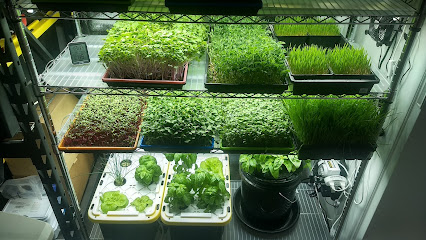
The transition toward indoor controlled-environment agriculture in Denver is not just a trend; it is a response to the geographic reality of Colorado. By utilizing vertical racks and LED lighting, these four farms bypass the arid climate, delivering fresh produce that would otherwise require transport from coastal regions. For the average consumer, this means better taste, higher nutrient density, and a stronger connection to the local food economy.
A: Locally grown microgreens are harvested shortly before sale, whereas out-of-state produce undergoes days of transit, leading to nutrient degradation and loss of texture.
A: Look for certification labels or transparent farming practices that avoid synthetic fertilizers and pesticides, ensuring the greens are safe for raw consumption.
A: When kept dry and sealed in an airtight container, most microgreens will remain fresh for 5 to 7 days.
The most popular reviews:
Tall Guy Tiny Greens has such amazing greens! They are super fresh, affordable and there are a ton of options. Eric has wonderful customer service and is super easy to work with!! I highly recommend!!
— Tall Guy Tiny Greens