

💬 12 reviews⭐ 5
Explore 14 local microgreen producers across 10 cities.
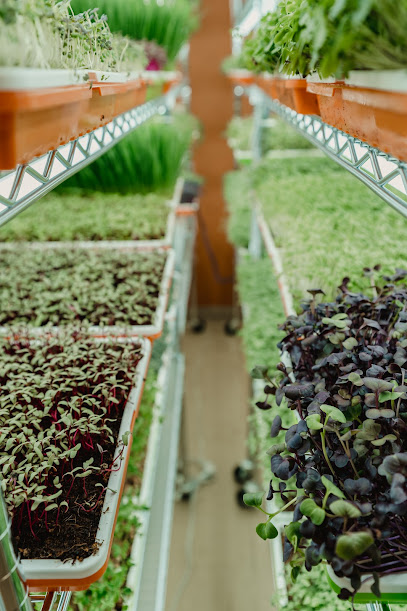
Indoor Vertical Microgreens Farm. Top products: Microgreens. Founded in 2021 by Air Force veterans Phil and Nate Strouse, Grand Valley Micro Farms is an indoor vertical farming operation based in Grand Junction, Colorado. The farm utilizes organic soil and OMRI-certified coconut coir to produce nutrient-dense microgreens year-round, employing a three-stage water filtration system and a mineral-rich nutrient solution. Their business model prioritizes sustainability, with all post-harvest byproducts repurposed for local composting and animal feed. Serving a diverse client base including restaurants, grocers, food banks, and residential customers, they maintain a strict commitment to next-day freshness. The company operates on core values of integrity and service, aiming to strengthen regional food security and enhance Western Slope cuisine through innovative, controlled-environment agriculture.
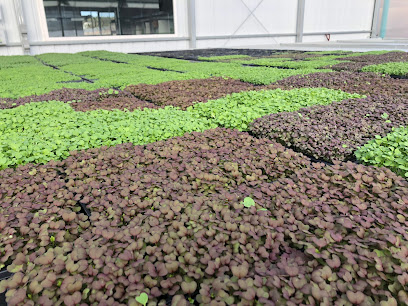
Local Microgreen Producer and Wholesale Supplier. Top products: sunflower, radish, pea shoots. Mountain Man Micro Farms is a Denver Metro-based agricultural operation specializing in the cultivation of nutrient-dense microgreens for the retail market. The farm focuses on providing high-quality, fresh produce to grocery stores and health-conscious consumers, emphasizing sustainable growing practices and eco-friendly, resealable packaging. By prioritizing harvest timing, they ensure an extended shelf life for their products, which helps retailers minimize waste and maintain inventory quality. Their mission centers on supporting the local food system while meeting the growing consumer demand for sustainable, health-boosting ingredients. The business operates as a wholesale partner, offering direct delivery services to local retailers looking to enhance their produce aisles with premium, locally-grown greens.
 S
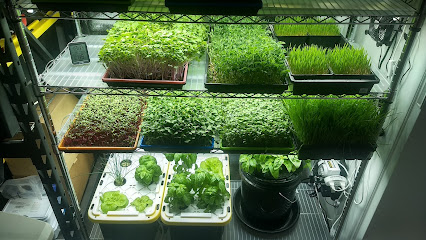
SIndoor Urban Microgreen Farm. Top products: Cabbage microgreens, Sunflower microgreens, Arugula microgreens, Micro Red Amaranth, Radish microgreens. Simply Fresh Microgreens is an indoor urban farm based in Broomfield, Colorado, dedicated to producing high-quality, nutrient-dense microgreens. Utilizing a proprietary PURE growing method, the farm employs controlled-environment agriculture with pH-balanced water, cocoa coir, and specialized LED lighting to eliminate the need for synthetic fertilizers, pesticides, or harmful chemicals. Their operational model prioritizes freshness, ensuring products are delivered to customers within 24 hours of harvest. The company serves the local community through direct-to-consumer online sales and presence at regional farmers' markets, including the Orchard and Boulder County markets. By focusing on sustainable, water-efficient practices, they provide a reliable source of fresh greens for health-conscious consumers.

Urban Microgreen Farm and Direct-to-Consumer Delivery Service. Top products: Microgreens, Microgreen Kits. Tague Farm is an urban agricultural operation focused on the cultivation and distribution of fresh microgreens. The farm utilizes a direct-to-consumer delivery model, ensuring that customers receive their produce on a weekly basis. Their core mission centers on increasing the accessibility of nutritious, locally grown food through sustainable farming practices. By managing the entire supply chain from growth to doorstep delivery, they prioritize freshness and convenience for their local clientele. Additionally, the business offers microgreen kits, providing an interactive way for consumers to engage with their products at home.
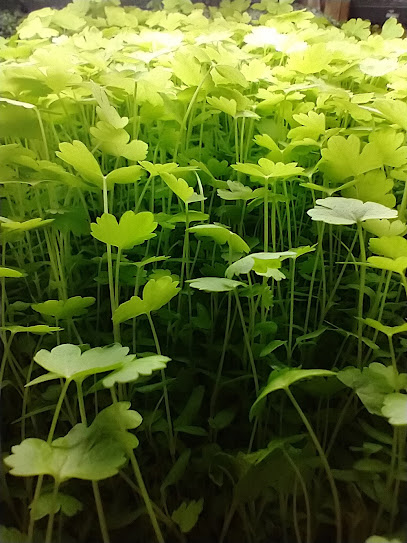
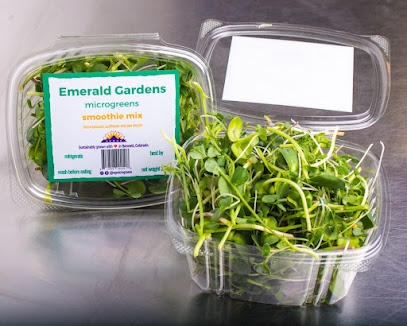
Organic Microgreen Farm and Direct-to-Consumer Delivery Service. Top products: Microgreens, Herbs, Edible flowers. Emerald Gardens is a Colorado-based agricultural venture founded in 2017 by Roberto Meza and Dave Demerling. The farm specializes in the year-round cultivation of microgreens, herbs, and edible flowers, utilizing passive solar energy and organic growing practices within their greenhouse facilities. Their business model focuses on direct-to-consumer distribution, offering free delivery services throughout the Denver and Boulder metropolitan areas. Beyond production, the founders are committed to community engagement and promoting the nutritional benefits of fresh, locally grown produce. By prioritizing sustainable energy and organic methods, the farm aims to increase food access while maintaining a high standard of quality and flavor for their local customer base.
FVertical Hydroponic Farm and Specialty Culinary Producer. Top products: Microgreens, Edible flowers, Specialty herbs, Specialty vegetables. Forevergreen Farm is a first-generation, family-owned agricultural business based in Northern Colorado that has specialized in year-round production since 2013. Utilizing a controlled, solar-powered vertical hydroponic environment, they produce nutrient-dense microgreens using non-GMO seeds and biodegradable coconut fiber grow pads. Their operations have expanded significantly, transitioning from a hobby homestead to a commercial enterprise that now includes a 5,000-square-foot greenhouse facility. The farm serves a diverse clientele, including professional chefs, caterers, and wellness-focused households, through a consistent weekly and bi-weekly subscription model. With a distribution network spanning from Northern Colorado to the Denver metro area and mountain communities, they provide high-quality culinary products while maintaining a commitment to sustainable, year-round growing practices.
5HDirect-to-Consumer Microgreen Farm. Top products: Custom-grown microgreens, Pre-planted microgreen varieties. Homestead Microgreens, LLC operates as a direct-to-consumer agricultural business focused on providing fresh, nutrient-dense microgreens to the local community. Their business model emphasizes peak freshness by harvesting produce immediately upon customer pickup, ensuring high quality and extended shelf life. They offer a dual-service approach: customers can either request specific varieties to be grown to order or select from a rotating inventory of pre-planted crops ready for immediate harvest. By maintaining accessible pricing, the farm aims to make high-quality nutrition available to a broad audience. Their operations appear centered on a local pickup model, prioritizing the relationship between the grower and the end consumer.
 N
NColorado’s agricultural landscape is shifting. While the state is traditionally defined by expansive cattle ranching and high-altitude wheat production, a localized revolution is taking place indoors. The microgreens market in Colorado has reached a critical mass, with 15 verified farms serving a growing demand for nutrient-dense, hyper-local produce. These growers operate with high efficiency, bypassing the supply chain volatility that often impacts produce shipped from California or Arizona. The current market is heavily skewed toward high-quality, organic-certified, or wholesale-focused operations like Nature's Microgreens and Emerald Gardens, which maintain perfect or near-perfect ratings from local consumers.
Economic viability for these farms relies on rapid turnover. Unlike traditional row crops, microgreens allow for weekly harvest cycles. This creates a predictable revenue stream for urban farmers who utilize vertical racking systems to maximize square footage. In Colorado, the focus is increasingly on reliability and consistency, with many producers acting as both direct-to-consumer suppliers and wholesalers for the state’s robust culinary scene.
Urban density and restaurant proximity drive the geography of Colorado’s microgreen industry. Littleton stands out as the state’s primary hub, hosting four major farms. This concentration is no accident. Littleton provides a strategic balance of lower commercial real estate costs compared to downtown Denver, while remaining within a short delivery radius of the metropolitan area's high-end dining establishments.
Colorado is a semi-arid environment. With annual precipitation often falling below 15 inches in the Eastern Plains and the Front Range, water conservation is not just an environmental goal—it is a regulatory and financial necessity. Traditional agriculture in the state faces immense pressure from drought cycles and senior water rights, which prioritize heavy irrigation for corn and alfalfa.
Microgreens and urban farming offer a solution. By moving production into climate-controlled indoor environments, growers utilize hydroponic or aeroponic systems that recirculate water. These systems can reduce water usage by up to 90% compared to soil-based outdoor farming. Furthermore, Colorado’s high solar intensity, while beneficial for some crops, can be brutal for delicate greens. Indoor vertical farming allows producers to control the light spectrum, temperature, and humidity, resulting in a year-round growing season that ignores the state's harsh winter freezes and sudden spring hailstorms. This decoupling from the climate allows for consistent quality that outdoor growers simply cannot match in this region.
For chefs, grocery buyers, and residents looking to source fresh microgreens, the current landscape offers several high-rated options. When selecting a provider, consider the farm's certification type and distribution model.
A: Littleton provides an optimal balance of industrial-zoned real estate and proximity to the Denver metro area, allowing farmers to scale vertically while maintaining efficient delivery times to local restaurants.
A: Indoor microgreen farming uses closed-loop hydroponic systems, which recirculate water and use significantly less volume than traditional soil-based agriculture, making it a highly sustainable model for the Colorado climate.
A: Several farms, such as Nature's Microgreens and Field Of Microgreens, specify organic farming practices, though certification status varies by individual business. Always check with the specific farm for their current compliance documentation.
The most popular reviews:
This farm offers 100% natural and healthy products — thank you for the amazing quality!”🥰🥰🥰🥰🥰🥰
— Emerald GardensFor wholesale or home use, these are hands down the best in the industry
— Forevergreen FarmTall Guy Tiny Greens has such amazing greens! They are super fresh, affordable and there are a ton of options. Eric has wonderful customer service and is super easy to work with!! I highly recommend!!
— Tall Guy Tiny GreensI have been eating the microgreens for over 2 years it is help my stomach, and I believe it helped me to be cancer honest people who own Simply Fresh microgreens you can find them at the boulders farmers market!
— Simply Fresh MicrogreensMisty has awesome stand all around the Denver area where she provides here products. I have enjoyed everything she has to offer. Her prices are fair and her and her team work incredibly hard. I recommend checking it out!
— 5280 Mushrooms and MicrogreensI am shouting this from the rooftops that Andy and his whole team are absolute LEGENDS! We get 2 boxes delivered every week (residential) and it is always 1000000% perfect. The customer service is always quick to respond, the delivery is always friendly and perfect and the microgreens are a gem of nutrition throughout my week. Don't sleep on this company - it is absolutely the best price for what they offer. delicious, amazing service and even better humans working for you! :) Keep crushing!
— Mountain Man Micro FarmsI am so grateful to Grand Valley Micro Farms for growing delicious and healthy Microgreens! The nutrient density in these tasty greens are contributing to my health. I really appreciate that these microgreens are grown in organic soil or coconut coir medium, use water that is clean as well as air that is filtered. I can taste the difference.
— Grand Valley Micro FarmsI love this place! I’ve ordered microgreens from here a few times and they’ve always been so fresh, beautiful, and tasty! Best in town
— Tague FarmAlexandria of Plants Naturally is one of the most passionate chefs I've ever met, especially when it comes to micro greens. She's put so much thought and care into every aspect of her products, and works hard to keep the company's carbon footprint as low as possible.
— Plants NaturallyI have tried different kinds of microgreens in the past few years, I can confidently say that Nature’s Microgreens are definitely up there in terms of taste, freshness, presentation and cleanliness, these are better than Whole Foods’ and Sprouts’, who for the most part have these green sitting in their shelves for a few days, and by the time you take them home, half of the product has wilted. Microgreens are great for those looking to integrate more greens into their diet and struggle to find ways to do so, on average, these baby greens contain 5x the nutritional value of the mature vegetable. Providing the nutritional value information on the label of each type of greens adds a nice touch! 10/10 would recommend.
— Nature's Microgreens