The Microgreens Market in Connecticut
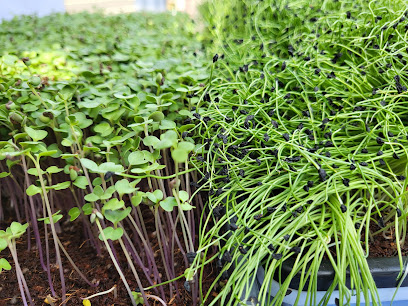
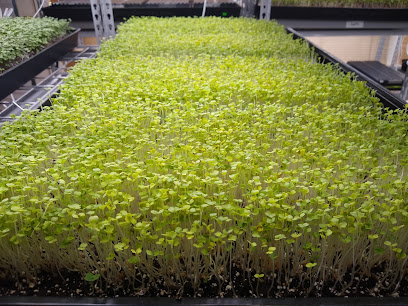
Connecticut’s microgreen sector is currently defined by a shift toward localized, high-density production. With 8 verified farms operating across the state, the supply chain is maturing from hobbyist-led setups to specialized agricultural cooperatives. Demand is driven by the state's dense population centers and a robust farm-to-table restaurant culture that prioritizes hyper-local ingredients. While the market remains niche, the entry of specialized producers like Odin Farms - Garden of Odin Microgreens and Gently Grown Farms demonstrates a shift toward high-rating, quality-controlled harvests. Unlike broad-acre farming, these operations leverage vertical space and controlled environments to maximize yield per square foot. This efficiency is critical in a state where land costs are among the highest in the Northeast.
Top Cities for Fresh Greens
The concentration of microgreen growers is not uniform; it is heavily influenced by regional infrastructure and logistical access to urban food hubs. Waterbury and Norwich emerge as the primary leaders, each hosting two verified farms. This clustering in Waterbury suggests a strong appetite for local produce within that specific market, likely supported by its central location and connectivity to key distribution arteries. Middletown, Bristol, Hartford, and New Haven each host a single farm, acting as satellite hubs that serve their respective local populations.
- Waterbury: The state’s primary hub for microgreen production, hosting two farms that benefit from high population density and localized distribution chains.
- Norwich: A secondary anchor for the industry, also housing two farms that utilize the city's unique geographic position to supply Eastern Connecticut.
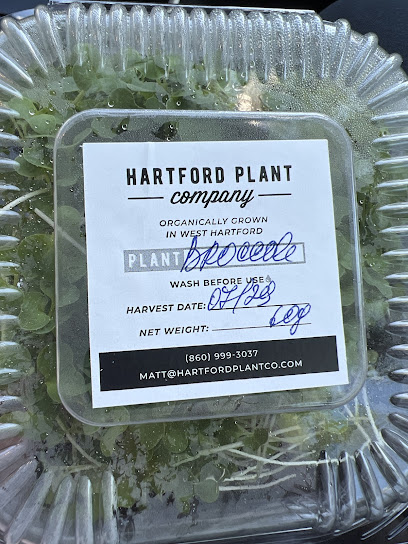
- Middletown, Bristol, Hartford, New Haven: These cities represent emerging nodes in the urban farming network. Each city hosts a critical grower, such as the Hartford Plant Company, which serves as a vital link in the regional supply chain by providing both nursery and wholesale services.
Connecticut Climate & Indoor Farming
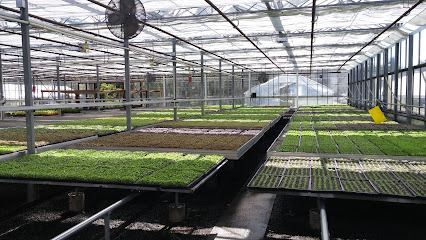
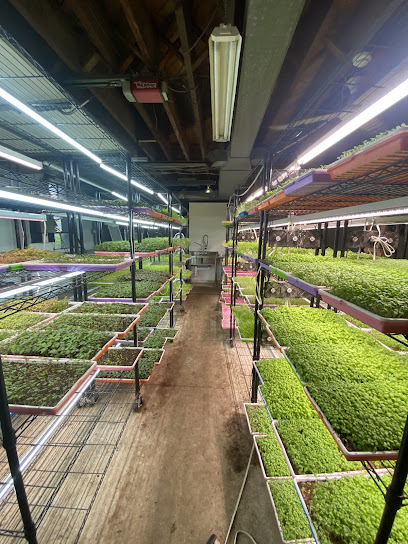
Connecticut’s climate presents a significant barrier to traditional year-round outdoor agriculture. With cold, harsh winters and a short growing season, outdoor vegetable production is seasonal at best. Consequently, microgreen growers in the state have embraced indoor farming, hydroponics, and vertical racking systems. These methods allow producers to circumvent the state’s seasonal limitations, providing a consistent, 52-week supply of greens regardless of outside frost or drought conditions.
Water management is another factor influencing the rise of indoor farms in CT. By utilizing hydroponic or aeroponic systems, growers significantly reduce water consumption compared to traditional soil-based agriculture. This is essential for urban farmers in cities like Hartford or New Haven, where municipal water systems are the primary source. Furthermore, by keeping production indoors, farmers mitigate the risks of pests and soil-borne pathogens, leading to the high-quality, 5-star rated products seen in operations like Gently Grown Farms and Garden of Odin. This technological shift is not merely a preference; it is a necessity for economic viability in the Connecticut agricultural landscape.
Sourcing Locally in CT
For restaurants, chefs, and retail consumers, identifying reliable local producers requires understanding the specific nature of each business. Some are pure farms, while others operate as cooperatives or wholesalers. To secure the freshest product, prioritize direct relationships with these suppliers:
- Direct-to-Farm Procurement: Contact farms like Gently Grown Farms or Guilford Greens directly. These farms often offer higher consistency and fresher harvest windows than wholesale distributors.
- Cooperative Sourcing: Leverage organizations like Odin Farms - Garden of Odin Microgreens. Cooperatives often aggregate supply, ensuring a more reliable volume for larger catering orders or restaurant menus.
- Wholesale Partners: For high-volume needs, utilize established entities like the Hartford Plant Company. While they operate as a wholesaler, they maintain the infrastructure to manage larger supply chains that smaller farms may not support.
- Quality Verification: Always prioritize farms with verified ratings. Current market leaders like Garden of Odin maintain 5-star ratings, which typically reflect superior post-harvest handling and delivery logistics.