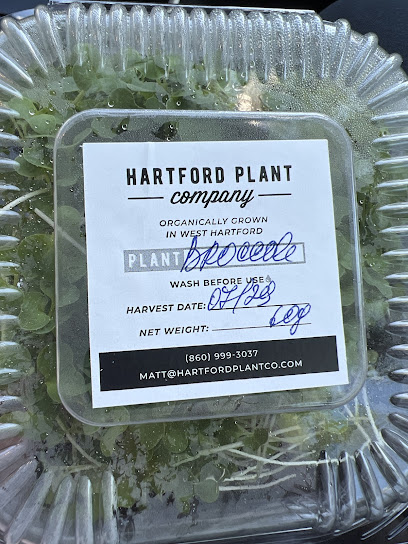
Local Microgreens Market in Hartford
The Hartford microgreens market currently relies on a concentrated ecosystem of producers who prioritize high-density, nutrient-dense crops. With two primary entities operating in the West Hartford area, local residents and culinary professionals have access to hyper-local produce that bypasses the traditional, long-haul supply chain. Because Connecticut winters are notoriously harsh, these growers utilize indoor vertical farming and hydroponic systems to maintain year-round production. This climate-controlled approach eliminates the risks associated with outdoor seasonal shifts, ensuring that micro-broccoli, sunflower shoots, and radish greens are available regardless of the temperature outside.
Comparison of Top Growers
| Farm Name | Rating | Specialization | Type |
|---|
| Hartford Plant Company | N/A | Urban Microgreen Grower | Wholesaler |
| The Hartford Plant Company | 3.7 | Organic Microgreen Grower | Plant nursery |
Deep Dive into Suppliers
Hartford Plant Company functions primarily as a wholesaler, meaning they are optimized for high-volume orders such as those required by local restaurants. Their Tuesday-harvest schedule minimizes the time from harvest to plate, which is critical for preserving the delicate texture of red cabbage and pea shoots.
The Hartford Plant Company, founded by Valentina, Anastasiya, and Matt, operates as a plant nursery with a strong focus on direct-to-consumer retail. Their model emphasizes transparency and accessibility, allowing individual households to source organic greens through home delivery or specific pickup locations like Essential Health.
Nutritional Science and Urban Demand
Microgreens are not merely a culinary trend; they represent a significant advancement in urban nutrition. Research indicates that these young seedlings often contain higher concentrations of vitamins, minerals, and antioxidants compared to their mature counterparts. For instance, broccoli microgreens are rich in sulforaphane, a compound linked to anti-inflammatory properties. Pea shoots provide a significant dose of Vitamin C and A, while radish microgreens offer a distinct, peppery bite that serves as an efficient delivery system for essential phytonutrients. By sourcing these locally in Hartford, consumers avoid the nutrient degradation that occurs during the shipping, storage, and shelf-life periods of mass-marketed produce.
Buying Guide for CT Residents
- Check the Harvest Date: Always inquire about the harvest cycle. Local farms in Hartford, such as the ones mentioned, typically harvest on the day of delivery to ensure peak quality.
- Visual Inspection: Look for vibrant, upright stems and crisp leaves. Any signs of wilting or discoloration suggest the product has sat in storage too long.
- Storage Protocol: Keep microgreens refrigerated in their original packaging. Avoid washing them until you are ready to consume them to prevent premature decay.
- Environmental Impact: Choosing local indoor-grown greens significantly reduces your carbon footprint. These farms use a fraction of the water required by traditional field agriculture, making them a sustainable choice for the Connecticut community.