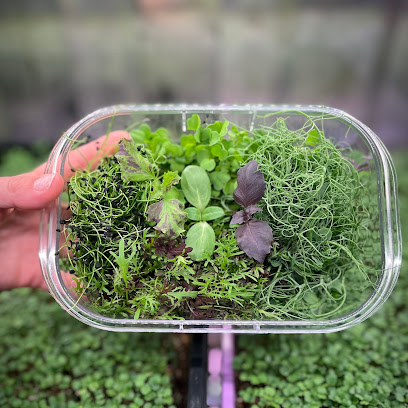
The Rise of Urban Farming in Islamorada
Urban farming is transforming how Islamorada residents access fresh produce. By utilizing controlled environment agriculture (CEA), such as repurposed shipping containers, local growers are bypassing the limitations of traditional soil-based farming. This method allows for year-round production, insulating crops from Florida’s extreme humidity, pests, and unpredictable weather patterns. These high-density, vertical systems maximize production on minimal land, providing a consistent supply of nutrient-dense greens to the local community.
Current Local Growers
The following operation represents the current landscape of specialized microgreen cultivation in Islamorada:
| Farm Name | Specialty | Business Model |
|---|
| Matecumbe Microgreens | Microgreens | Urban Container Farm (B2B & Direct-to-Consumer) |
Why Buy Locally Grown in FL?
Florida’s climate presents significant challenges for traditional outdoor gardening, including intense heat, salt air, and heavy seasonal rainfall. Indoor vertical farming solves these issues by creating a stable, pesticide-free microclimate. Purchasing from local growers significantly reduces food miles—the distance produce travels from farm to plate. Because microgreens are highly perishable, local sourcing ensures that consumers receive greens at their peak nutritional value and flavor, rather than produce that has been shipped over long distances and stored in warehouses.
Popular Varieties & Culinary Uses
Local Islamorada farms typically focus on varieties that provide high yields and distinct flavor profiles. Common varieties include:
- Pea Shoots: Sweet and crunchy, these are excellent in salads or as a garnish for seafood dishes.
- Radish Microgreens: Known for their spicy, peppery kick, they add depth to sandwiches, tacos, and avocado toast.
- Sunflower Shoots: Nutty and hearty, these act as a perfect base for green salads or as a healthy snack on their own.
These greens are best used raw to preserve their delicate enzymes and vibrant colors. Incorporate them into daily meals by topping soups, blending them into smoothies, or using them to replace standard lettuce in wraps.