The Microgreens Market in Florida
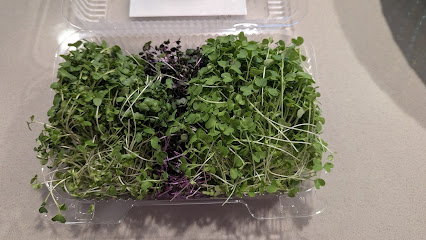
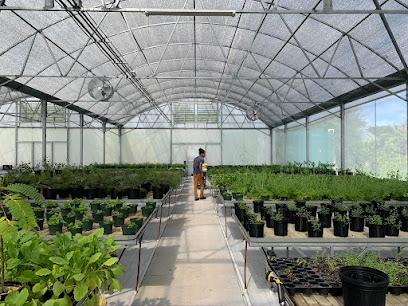
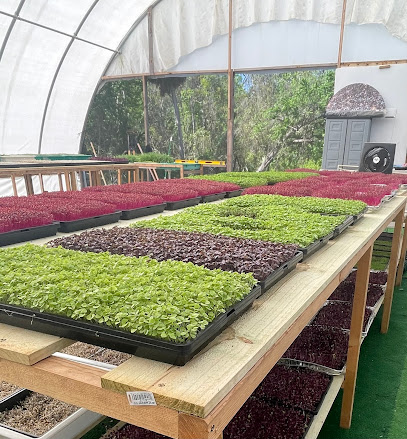
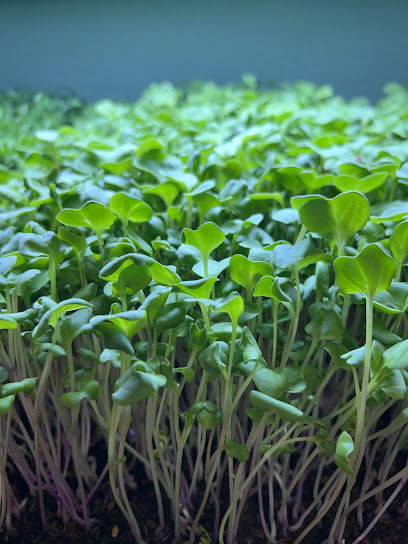
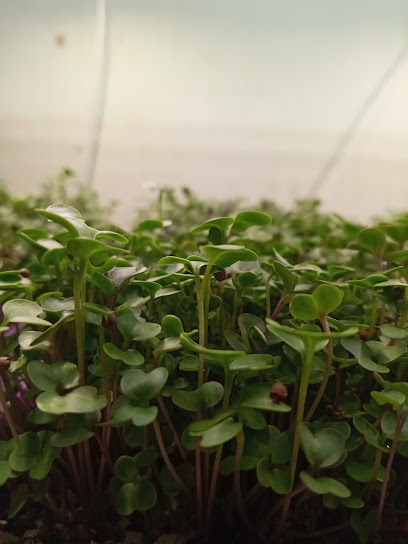
Florida’s agricultural landscape is shifting. While the state remains a powerhouse for citrus and sugarcane, a new sector is emerging in the form of controlled-environment agriculture. We have identified 69 verified farms specializing in microgreens and urban produce across 43 active cities. This decentralization of food production represents a move toward hyper-local supply chains, reducing the carbon footprint associated with long-haul produce transportation.
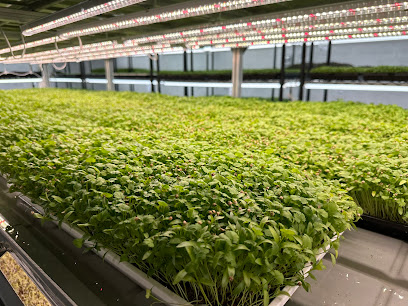
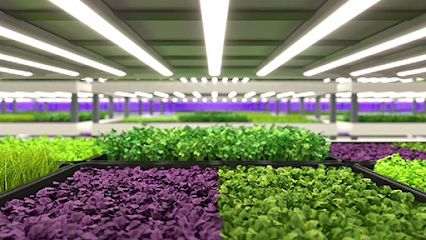
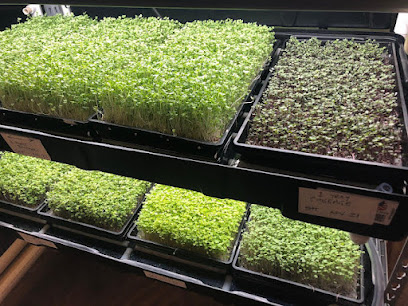
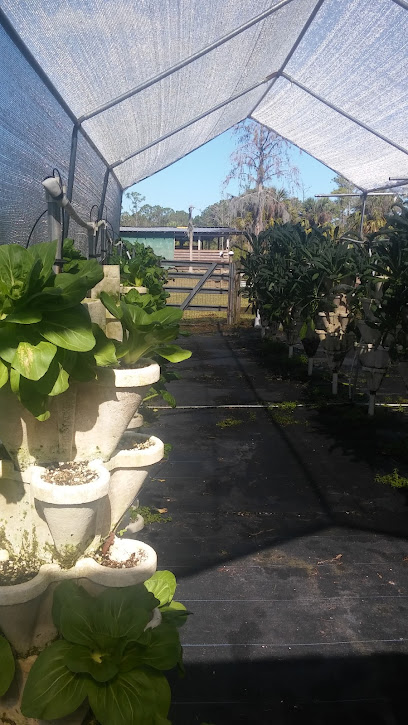
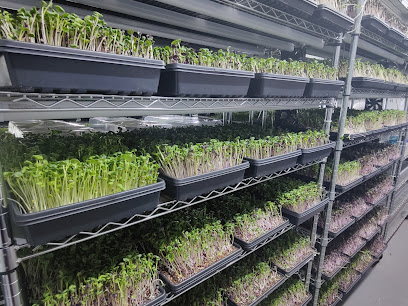
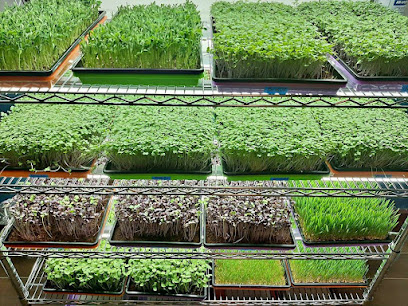
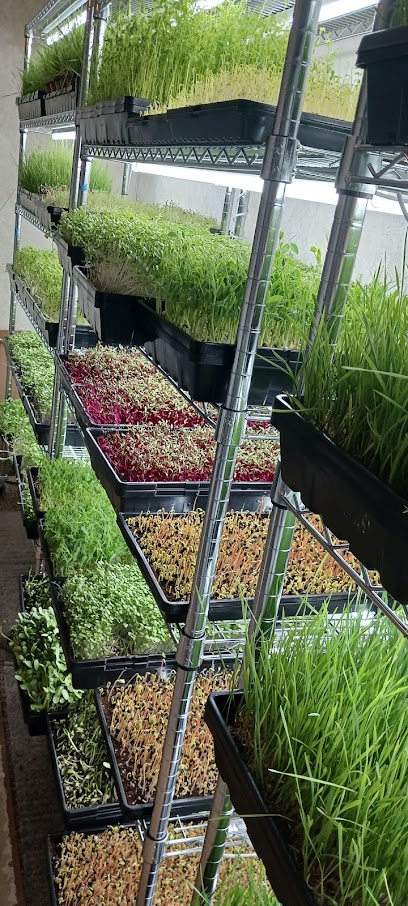
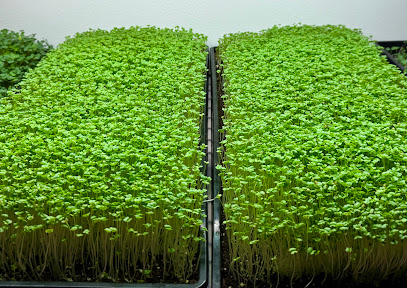
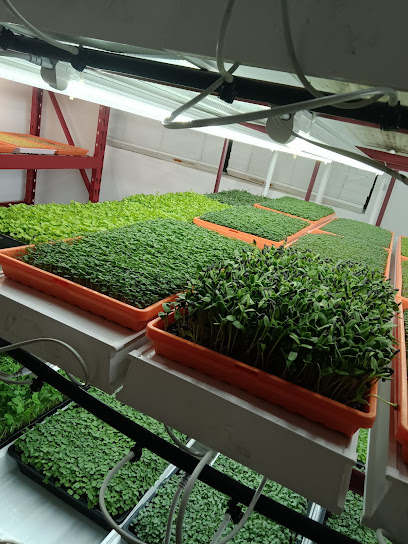
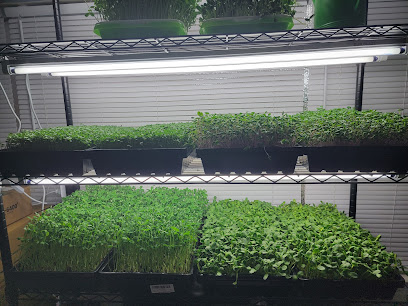
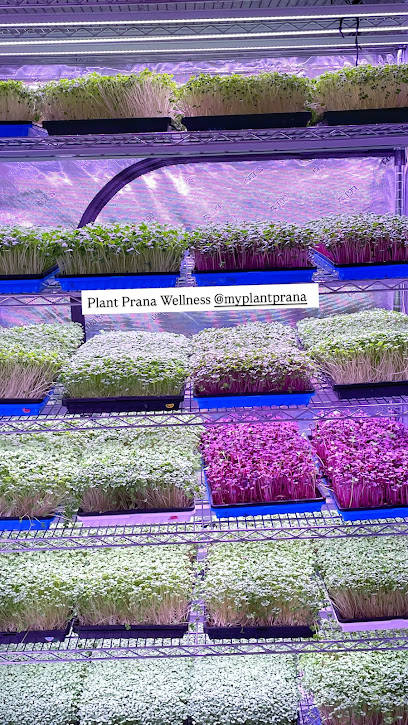
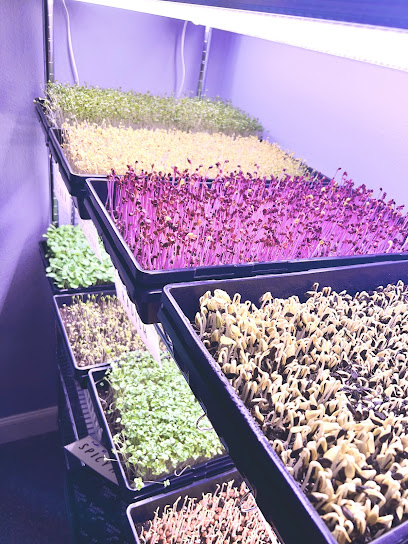
The market is characterized by high-quality, boutique operations. Data indicates a saturation of farms maintaining perfect or near-perfect ratings, such as Bardmoor Microgreens, Cahaba Clubs, and Tiny Leaf Microgreen Farm. These entities are not just hobbyists; they are sophisticated producers utilizing vertical hydroponic racks to maximize yield per square foot. The focus is shifting from traditional row-crop farming toward high-value, fast-turnover crops that cater to Florida’s high-end culinary scene and health-conscious consumer base.
Top Cities for Fresh Greens
Urban farming is not distributed evenly across the Florida peninsula. Concentration is highest in areas where real estate prices allow for warehouse conversion or small-scale greenhouse setups. Seminole leads the state with 4 documented farms, followed closely by Jacksonville, Port St. Lucie, West Palm Beach, and Stuart, each hosting 3 verified operations.
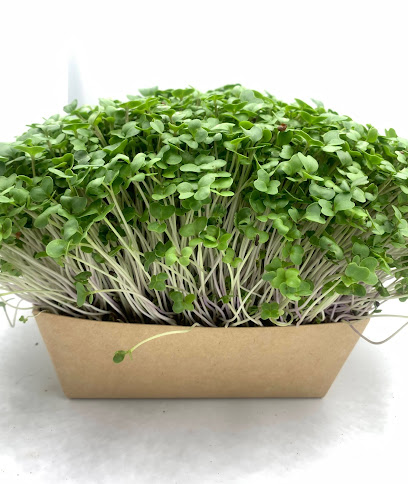
The prevalence of farms in Seminole suggests a strategic advantage—likely proximity to major distribution arteries and a high density of affluent residential areas that sustain demand for premium, fresh-cut greens. Similarly, cities like Orlando and Tallahassee show consistent growth, serving as hubs for both institutional buyers and local farmers' markets. This geographic clustering allows for efficient 'last-mile' delivery, which is critical for microgreens that lose structural integrity and nutritional density within hours of harvesting.
Florida Climate & Indoor Farming
Florida’s subtropical climate presents a unique paradox for growers. While the year-round growing season is an asset, the intense humidity, high pest pressure, and frequent extreme weather events make traditional outdoor farming of delicate microgreens difficult. Indoor vertical farming and hydroponics provide the solution.
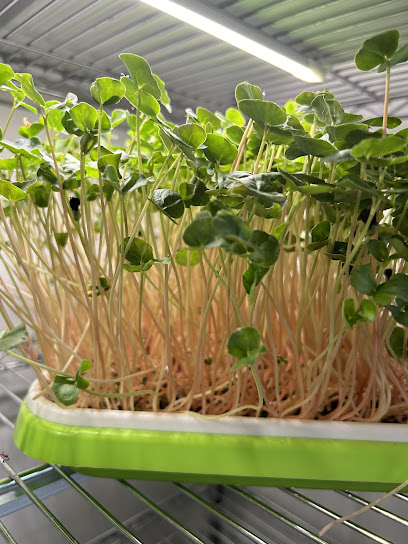
By moving production into climate-controlled warehouses, Florida growers bypass the state's notorious humidity, which otherwise fosters mold and mildew in dense microgreen canopies. Furthermore, water regulation in Florida is increasingly stringent. Recirculating hydroponic systems—the standard for most of the 69 farms we tracked—use up to 90% less water than traditional soil-based farming. These systems mitigate the risks of groundwater contamination and drought-related restrictions. By utilizing LED lighting and automated fertigation, farmers like Vitality Farms Company and Ferpher Farms decouple their production from the unpredictable Florida weather, ensuring consistent availability 365 days a year.
Sourcing Locally in FL
For restaurants, wellness centers, and residents, sourcing microgreens requires an understanding of the local supply chain. The following farms represent the industry standard for quality and reliability in the state:
- Specialized Growers: Operations like Cahaba Clubs and Brickell Micro Farms offer high-volume consistency for commercial kitchens.
- Organic & Health-Focused: Tiny Leaf Microgreen Farm and Plant Prana Wellness focus on chemical-free growing practices, catering to the health food market.
- Family-Operated Models: Crooked Tail Family Farm and Harpke Family Farm, LLC provide a more personal, community-integrated approach to produce distribution.
- Retail Integration: Better Greens Farms serves as a hybrid model, acting as both a producer and a health food outlet for direct consumer access.
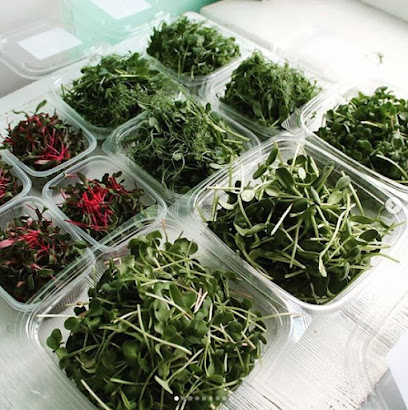
When selecting a supplier, prioritize farms that emphasize 'harvest-on-demand.' The nutritional profile of microgreens is at its peak immediately after cutting. Because these 69 farms are spread across 43 cities, you are likely within a 30-minute delivery radius of a professional-grade grower.