Local Microgreens Market in Odessa
Odessa maintains a specialized microgreens ecosystem defined by two distinct operational models. While the broader Florida region faces high humidity and intense summer heat, indoor microgreen production thrives here by decoupling agriculture from external weather patterns. Vertical farming and hydroponic systems allow producers to bypass the challenges of Florida's soil quality and pest pressure, ensuring a year-round supply of nutrient-dense greens. The local market currently consists of a dedicated seed supplier supporting commercial infrastructure and a large-scale producer focused on nationwide culinary distribution.
Comparison of Top Growers
| Farm Name | Rating | Specialization | Type |
|---|
| Seeds to Farm | N/A | Commercial Seed Supply | Seed Supplier |
| Cahaba Clubs | 5 | Nationwide Microgreen Distribution | Farm |
Deep Dive into Suppliers
Seeds to Farm functions as a critical backbone for the regional agricultural industry. Because they are a seed supplier rather than a direct-to-consumer farm, their lack of a consumer rating is expected; they operate on a business-to-business model providing high-germination seeds for commercial growers. Their inventory of 50-plus varieties and focus on bulk distribution makes them the primary resource for new urban farmers looking to scale operations in the Odessa area.
Cahaba Clubs represents the high-end production side of the market. With a 5-star rating based on 41 reviews, they have established themselves as a leader in the culinary supply chain. Their cut-to-order workflow ensures that product freshness is prioritized over long-term storage, providing chefs with greens that have maximum nutritional integrity and extended shelf life.
Buying Guide for FL Residents
- Inspect for Hydration: Fresh microgreens should stand upright and firm. Avoid any containers showing signs of wilting or excessive moisture, which can lead to rapid decay in Florida's humid climate.
- Check the Roots: If purchasing live trays, ensure the root mat is healthy and white. Brown or slimy roots indicate poor growing conditions or over-watering.
- Prioritize Cut-to-Order: Whenever possible, source from producers like Cahaba Clubs that harvest upon request. This minimizes the time between the farm and your plate.
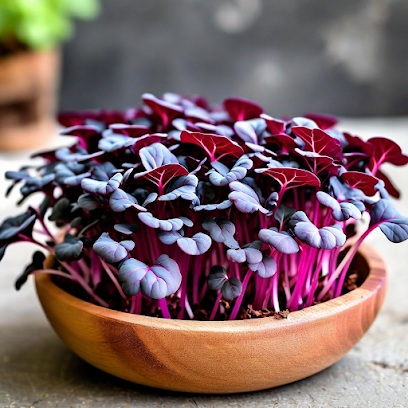
- Nutritional Density: Varieties like broccoli and radish are staples for a reason. Broccoli microgreens are documented for high sulforaphane content, while radish varieties provide a sharp, peppery flavor profile that stands up well to heat.
- Climate Resilience: By buying locally, you support farms that utilize indoor climate-controlled environments. This reduces the carbon footprint associated with shipping fragile greens long distances and ensures you receive a product harvested at its peak physiological maturity.
Microgreens serve as an efficient, nutrient-dense solution for urban residents with limited space. Because they are harvested at the cotyledon stage, they contain significantly higher concentrations of vitamins and antioxidants compared to their mature counterparts. Incorporating these greens into daily meals provides a reliable source of vitamins C, E, and K, as well as essential minerals, regardless of the outdoor growing season in Florida.