The Microgreens Market in Iowa
Iowa’s agricultural sector is traditionally defined by large-scale corn and soybean production. However, the microgreens market is shifting the paradigm toward localized, high-density indoor production. Currently, there are 3 verified farms operating within the state. While this number is small, it represents a transition from traditional soil-based monoculture to controlled-environment agriculture (CEA). The demand for nutrient-dense, hyper-local produce has outpaced supply, particularly in urban centers where supply chain logistics for leafy greens are increasingly fragile.
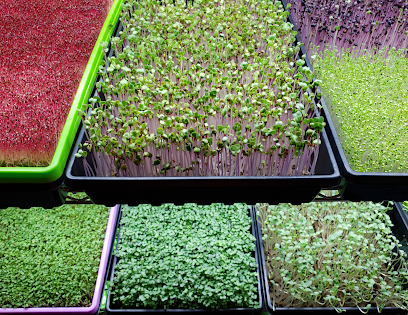
Microgreens—harvested at the cotyledon stage—require significantly less water and land than traditional crops. In Iowa, where water usage for large-scale irrigation is heavily scrutinized, indoor hydroponic systems offer a sustainable alternative. These farms operate year-round, bypassing the limitations of Iowa's short growing season. By utilizing vertical stacking and LED lighting, producers like DSM Microgreens minimize their physical footprint while maximizing output.
Top Cities for Fresh Greens
Urban farming is not distributed evenly across the state. Geography and population density dictate where these businesses thrive. Currently, two cities dominate the landscape: Clive and Dubuque.
Clive: The Strategic Hub
Clive hosts 2 of the 3 verified farms in our dataset, including Ray Family Farms. Its concentration of growers is likely due to its proximity to the Des Moines metropolitan area. Proximity to high-density consumer bases and upscale restaurant markets is essential for microgreen businesses, which rely on short shelf-life and rapid delivery. By positioning operations in Clive, farmers minimize transit time, ensuring product freshness while lowering fuel costs.
Dubuque: The Regional Outlet
Dubuque accounts for the remaining verified farm. Its position along the Mississippi River provides unique logistical advantages. While Clive serves the central Iowa market, Dubuque acts as a regional hub for the eastern portion of the state. These hubs provide a blueprint for future growth: urban farming in Iowa succeeds where it can leverage existing infrastructure to reach high-end culinary consumers.
Iowa Climate & Indoor Farming
Iowa’s continental climate is characterized by significant seasonal temperature swings. Winter temperatures often drop well below freezing, which effectively halts outdoor agricultural activity. This creates a massive market gap for fresh, leafy greens during the winter months. Indoor farming solves this by decoupling production from the climate.
Hydroponic and vertical farming methods used by these verified growers are not just a trend; they are a necessity for year-round agricultural viability in the Midwest. These systems allow for precise control over humidity, light spectrum, and nutrient delivery. This precision is critical for microgreens, which are highly sensitive to mold and temperature fluctuations. By moving production indoors, Iowa farmers avoid the unpredictability of the state's frequent summer droughts and the harsh constraints of winter, ensuring a consistent product for local chefs and retailers.
Sourcing Locally in IA
For restaurants, grocery buyers, and residents looking to source fresh microgreens, the current supply chain is direct-to-consumer or direct-to-restaurant. To find the best produce, follow these guidelines:
- Prioritize farms with verified ratings, such as Ray Family Farms (5 stars), to ensure consistency in quality and food safety standards.
- Contact farms like DSM Microgreens or the unnamed Microgreen farm directly to inquire about weekly harvest schedules.
- Inquire about the growth medium used; high-quality producers will disclose whether they use organic, soil-less mats or hydroponic substrates.
- Establish subscription-based delivery routes if you are a restaurant, as this guarantees priority access to harvests before they reach public markets.
- Check for local farmers' market presence in Clive and Dubuque to sample small batches before committing to larger wholesale orders.