Local Microgreens Market in Des Moines
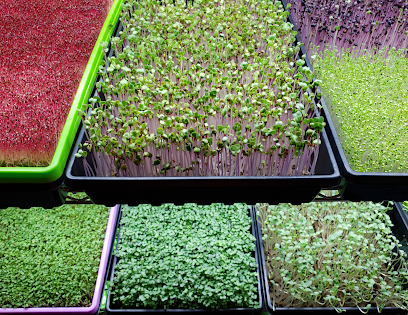
The microgreen market in Des Moines currently features two identifiable local suppliers. While the number of dedicated producers remains limited, the shift toward indoor hydroponic systems is a direct response to Iowa's harsh winter climate. Traditional soil-based outdoor farming in the Midwest ceases for several months each year; however, indoor controlled environment agriculture (CEA) allows for year-round production. This technology eliminates the risk of frost and erratic precipitation, ensuring that local residents have access to nutrient-dense shoots regardless of the outdoor temperature.
Microgreens—the immature greens produced from the seeds of vegetables, grains, or herbs—are harvested at the cotyledon stage, typically between 7 and 14 days after germination. At this stage, research indicates these plants contain higher concentrations of vitamins and antioxidants compared to their mature counterparts. Broccoli microgreens, for instance, are widely studied for their sulforaphane content, while pea shoots offer a substantial boost in protein and fiber. For urban residents in Des Moines, incorporating these into daily smoothies or salads provides a high-impact nutritional boost that is otherwise difficult to source locally during the colder months.
Comparison of Top Growers
| Farm Name | Rating | Specialization | Type |
|---|
| Ray Family Farms | 5 | Hydroponic Microgreens & Freeze-dried snacks | Farm |
| DSM Microgreens | N/A | N/A | Farm |
Deep Dive into Suppliers
Ray Family Farms operates as a high-tech indoor hydroponic facility. Their focus on CEA ensures a consistent, year-round supply of greens, which is essential for maintaining a steady diet during Iowa's off-season.
DSM Microgreens is registered as a farm in the local area, though their digital footprint is currently inaccessible. For a local buyer, this suggests a reliance on traditional word-of-mouth, farmers' market presence, or direct-to-consumer wholesale models rather than a robust e-commerce platform.
Buying Guide for IA Residents
Securing the freshest greens requires knowing what to look for at the point of sale. Follow these guidelines to ensure you are getting maximum nutritional density:
- Check the Stems: Fresh microgreens should stand upright and firm. Avoid any containers showing signs of wilting, slime, or discoloration at the base.
- Moisture Control: The medium should be slightly damp but never waterlogged. Excessive moisture in the packaging often accelerates decay and mold growth.
- Scent Profile: Freshly harvested greens, especially varieties like radish or cilantro, should have a sharp, distinct aroma. If there is a musty smell, the product is likely past its peak.
- Local Advantage: By purchasing from Des Moines growers, you reduce the carbon footprint associated with long-distance shipping. Greens transported over long distances lose significant nutrient value during the days they spend in transit.
- Storage Protocol: Keep your microgreens in the refrigerator, ideally in their original container. If they are in a plastic clamshell, a paper towel placed inside can help regulate humidity and extend shelf life by an extra two to three days.
The nutritional science behind microgreens centers on the rapid mobilization of nutrients from the seed to the seedling. During the first two weeks of life, the plant is at its most metabolically active. By consuming these plants immediately after harvest, you bypass the degradation that occurs during the long-haul logistics common in industrial agriculture. In a climate like Des Moines, where growing seasons are truncated, the growth of indoor hydroponic farming is not just a convenience—it is a vital component of local food security.