Local Microgreens Market in Fort Wayne
Fort Wayne’s microgreen market currently centers on two primary producers. Despite the limited number of suppliers, these operations utilize controlled environment agriculture to bypass the limitations of Indiana’s climate. Winters in northern Indiana are harsh, making field-grown produce impossible for half the year. Indoor vertical farming and hydroponic systems allow these farms to maintain stable temperatures and humidity levels, ensuring consistent growth cycles regardless of outdoor freezing temperatures. By controlling light spectrums and water nutrient delivery, these farms provide a year-round supply of nutrient-dense greens that outperform grocery store imports in both shelf-life and flavor intensity.
Comparison of Top Growers
| Farm Name | Rating | Specialization | Type |
|---|
| Something Better With Beth | 5 | Microgreens | Farm |
| May Family Urban Homestead | 5 | Urban Farming | Farm |
Deep Dive into Suppliers
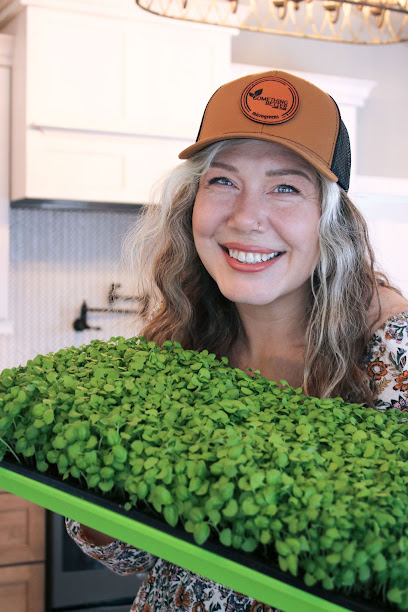
Something Better With Beth operates as a high-end supplier for both commercial kitchens and individual residents. They focus on maintaining plant viability through rigorous delivery scheduling, ensuring that products like their wasabi and cantaloupe melon shoots arrive in peak condition. Their business model prioritizes the aesthetic needs of chefs, positioning their greens as a critical component for high-end dish presentation.
May Family Urban Homestead represents the localized approach to food production within the city limits. As an urban homestead, they focus on hyper-local distribution, likely serving as a direct-to-consumer resource for residents seeking fresh, small-batch produce. Their high rating suggests a strong community reputation for quality, even when digital information is limited.
Nutritional Science and Urban Benefits
Microgreens are not merely garnishes; they are nutritional powerhouses. Research indicates that many microgreen varieties contain significantly higher concentrations of vitamins C, E, and K compared to their mature counterparts. For example, broccoli microgreens are rich in sulforaphane, a compound linked to reduced inflammation and improved cardiovascular health. Radish microgreens offer a potent dose of glucosinolates, which support the body's detoxification pathways. Pea shoots provide a balanced profile of fiber and protein, making them an ideal addition to plant-based diets. For urban residents in Fort Wayne, incorporating these greens into daily meals provides a reliable source of micronutrients that are often lost during the long-distance shipping processes required for commercial supermarket produce.
Buying Guide for IN Residents
- Check the Stem: Fresh microgreens should stand upright. If the stems are limp or sagging, the product is likely aging and losing nutritional value.
- Moisture Control: Avoid containers with excess condensation or slime. While they require humidity to grow, excess water in the packaging accelerates decay.
- Color Vibrancy: Look for deep, saturated colors. Pale or yellowing leaves indicate light deprivation or poor post-harvest handling.
- The Local Advantage: Buying from Fort Wayne growers reduces the carbon footprint associated with shipping produce across state lines. It also ensures you receive greens harvested within hours, rather than days, of purchase.
- Storage Protocol: Keep your microgreens in the original packaging or a sealed glass container in the coldest part of your refrigerator. Always wash gently just before consumption to prevent premature wilting.