
 M
M💬 28 reviews⭐ 5
Showing 2 organic producers near you
MSOrganic Soil-based Urban Farm. Top products: salad greens, microgreens, fresh breads, homemade dressings. Sunchoke Farms is a South Bend-based urban farm operated by Susan, a grower dedicated to providing nutrient-dense, locally produced food. The farm utilizes organic, soil-based growing methods to produce high-quality salad greens and microgreens that emphasize freshness and longevity compared to commercial alternatives. Established in 2018, the business focuses on direct-to-consumer sales, aiming to reduce food waste and carbon footprints by eliminating long-distance supply chains. In addition to their core produce, they offer homemade dressings and fresh breads to provide a complete, healthy meal solution for the local community. Their mission centers on regenerative agriculture, soil health, and strengthening the local economy through sustainable food production.
South Bend's microgreens market currently features two primary local suppliers. Despite the limited number of producers, the quality remains high due to the specialized nature of urban, indoor, and soil-based farming techniques. These growers cater to residents seeking nutrient-dense produce that bypasses the long-distance supply chains typical of commercial grocery stores. By focusing on local production, these farms reduce the carbon footprint associated with shipping perishables across the country, providing South Bend residents with access to peak-harvest greens.
Indiana's climate poses significant challenges for traditional field agriculture, particularly during the harsh winter months. This environmental reality forces local growers to adopt indoor, vertical, and hydroponic systems. These controlled-environment agriculture (CEA) methods allow for year-round harvesting, ensuring that microgreens—which are highly sensitive to temperature and humidity—remain viable regardless of the outside conditions. By utilizing indoor growing, South Bend farmers mitigate the risks of frost and inconsistent weather, resulting in a consistent supply of vitamins and minerals for the community.
| Farm Name | Rating | Specialization | Type |
|---|---|---|---|
| Mystic Microgreens | 5 | Microgreens | Farm |
| Sunchoke Farms | 5 | Soil-based greens, bread, dressings | Urban Farm |
Mystic Microgreens holds a 5-star rating based on 28 reviews. While their digital presence is currently unreadable, their high volume of positive feedback suggests a reliable track record for local buyers seeking specific microgreen varieties.
Sunchoke Farms, operated by Susan since 2018, focuses on regenerative, soil-based growing methods. They differentiate themselves by pairing their microgreens and salad greens with homemade dressings and fresh bread, offering a comprehensive meal solution.
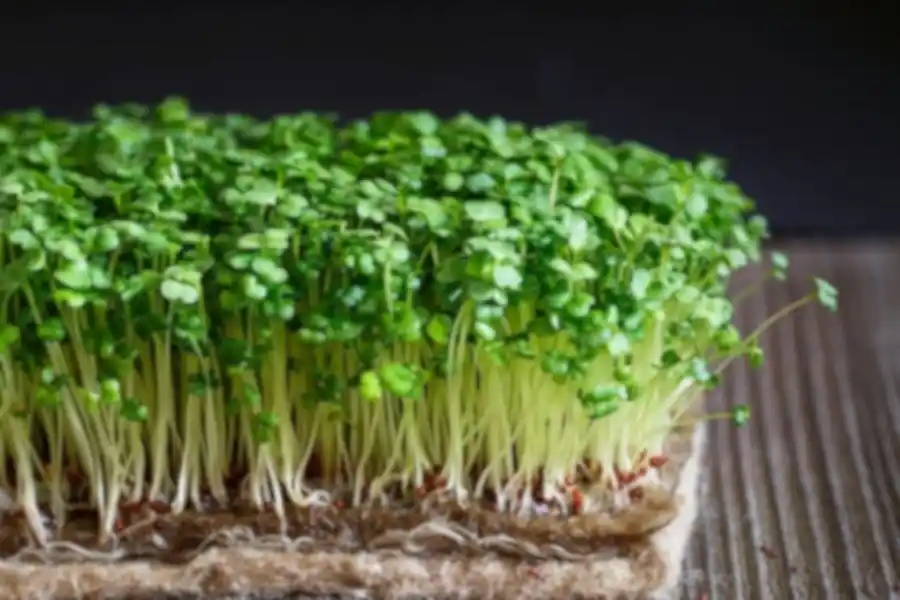
Microgreens are the immature seedlings of vegetables and herbs, harvested shortly after the first true leaves appear. Despite their small size, they often contain significantly higher concentrations of vitamins and antioxidants than their mature counterparts. For example, broccoli microgreens are often cited for their high sulforaphane content, while radish microgreens provide a sharp, spicy flavor profile packed with Vitamin C. Pea shoots offer a sweet, crunchy texture ideal for salads or as a garnish. For urban residents in South Bend, these greens provide a convenient way to boost daily vegetable intake without the need for extensive cooking or preparation.
A: Microgreens are harvested at the peak of their growth cycle, just after the first true leaves appear. At this stage, the plant is concentrated with the nutrients required for rapid development, often resulting in higher concentrations of vitamins and minerals compared to fully grown produce.
A: The unpredictable Indiana climate, marked by cold winters, necessitates indoor and vertical farming techniques. These controlled environments allow growers to regulate temperature and light, ensuring consistent, year-round production of fragile greens.
A: Soil-based growing, used by farms like Sunchoke Farms, relies on organic matter to provide nutrients to the plant. Proponents argue that this method leads to a more robust flavor and a texture that is often superior to hydroponic alternatives.
The most popular reviews:
I discovered the Spring Mint salad dressing while strolling through the farmers market a few weeks ago. After trying two samples of it I decided to buy a bottle 😄. Two weeks later I returned to pick up three more bottles ! It's so refreshing and such a great change of pace to my salads. I'm so excited to try some of the other seasonal flavors when they become available!
— Sunchoke FarmsThe ow era are knowledgeable and willing to share their knowledge. Prices are terrific and the product was fabulous. Would highly recommend
— Mystic Microgreens