The Microgreens Market in Kansas
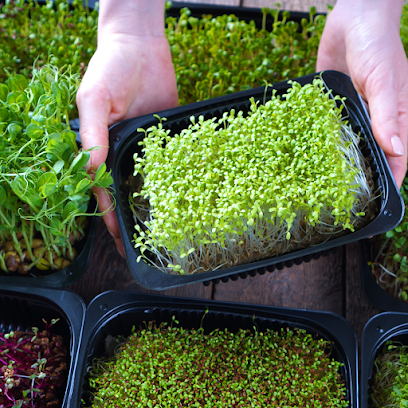
The microgreens market in Kansas is shifting from experimental hobbyism to a professionalized, controlled-environment agriculture sector. Currently, there are 8 verified farms operating within the state. These operations focus primarily on high-turnover crops like sunflower shoots, radish, and pea shoots, which offer rapid harvest cycles. While Kansas has a massive footprint in traditional row-crop agriculture—specifically wheat and soy—the microgreens sector addresses a different market need: immediate, localized supply for the culinary and health-conscious consumer bases.
The current market landscape is characterized by high-rated, boutique operations. Farms such as Lucky Ham's Farm LLC, SunnySide Microgreens, and ICT Urban Greens maintain perfect 5.0 ratings, indicating a strong focus on product quality and customer service. This high quality is a necessity in the microgreens industry, where shelf life is short and freshness dictates the viability of the business model. For Kansas, this represents a pivot toward high-value, low-acreage farming that maximizes revenue per square foot.
Top Cities for Fresh Greens
Urban farming in Kansas is concentrated in specific nodes. Data shows activity across three primary cities: Shawnee, Derby, and Olathe. Shawnee is the clear leader, hosting 75% of the verified farms (6 out of 8). This concentration is likely due to Shawnee’s proximity to larger metropolitan consumer markets and the availability of commercial real estate that allows for indoor vertical farming setups.
- Shawnee: The primary hub for the state. Growers here, such as Microgreens of Shawnee and Boundless KC Microgreens and Urban Farm, benefit from shorter supply chains to high-end restaurants in the greater Kansas City area.
- Derby: Represented by a single, specialized farm, this location serves as a critical link in the southern part of the state, likely feeding into the Wichita market dynamics.
- Olathe: Acts as a satellite hub for the Kansas City metro area, supporting the demand for locally sourced, nutrient-dense greens.
The clustering effect in Shawnee suggests that urban farming success in Kansas is predicated on logistics. Because microgreens are highly perishable, farms must be located within a short drive of their primary buyers to maintain the necessary cold chain and quality standards.
Kansas Climate & Indoor Farming
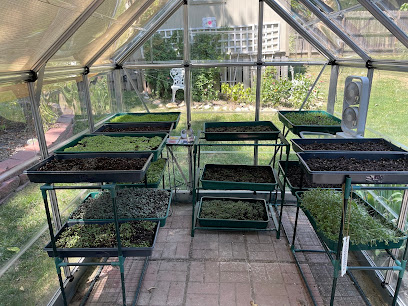
Kansas presents a challenging environment for traditional agriculture. With a continental climate characterized by extreme temperature swings—hot, dry summers and frigid winters—and periodic water scarcity, the shift to indoor farming is a strategic adaptation. Unlike traditional Kansas row crops, microgreens are grown in controlled-environment agriculture (CEA) facilities.
Hydroponic and vertical farming methods allow these 8 verified farms to decouple their production from Kansas's often volatile weather. By utilizing climate-controlled indoor spaces, growers can maintain a consistent 70-degree environment regardless of external drought conditions or heatwaves. This is critical for water conservation; hydroponic systems recirculate water, using significantly less volume than soil-based outdoor farming. Furthermore, the use of vertical shelving units allows these farms to produce 10 to 20 times more yield per square foot than traditional field farming, which is essential for urban producers operating in limited commercial footprints.
Sourcing Locally in KS
For restaurants, grocery buyers, and health-focused residents, sourcing microgreens locally ensures higher nutrient density and reduced food miles. Here is how to navigate the current Kansas market:
- Direct-to-Farm Procurement: Establish recurring orders with top-rated growers like SunnySide Microgreens or Lucky Ham's Farm LLC. Direct relationships often yield better pricing and more specific crop varieties.
- Monitor Farm Shops: Utilize platforms like Lucky Ham's Farm LLC Microgreens to access retail-ready portions.
- Service-Based Sourcing: Contact agricultural services such as ICT Urban Greens for large-scale or wholesale requirements, as these entities often have the infrastructure to manage volume consistently.
- Quality Verification: When evaluating a new supplier, look for 5.0-rated farms like Boundless KC or City Bitty Farm, as these have established track records for crop consistency and sanitation.
By leveraging these local nodes, the Kansas agricultural sector can continue to reduce its reliance on long-haul produce imports, bolstering the state's internal food security and economic resilience.