
💬 2 reviews⭐ 5
Showing 2 organic producers near you
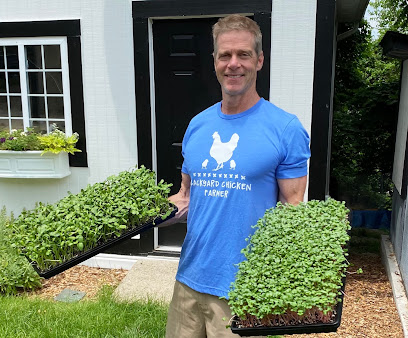
Direct-to-Consumer Microgreen Delivery Service. Top products: Red beets. Fort Thomas Microgreens is a specialized agricultural operation focused on the cultivation and distribution of nutrient-dense microgreens. The business emphasizes a direct-to-consumer model, prioritizing convenience by offering home delivery services for their fresh harvests. Their current product catalog features vibrant, flavor-forward crops such as red beets, which are marketed for their culinary versatility in salads and various gourmet dishes. By streamlining the supply chain from farm to doorstep, the company aims to provide local households with high-quality, fresh produce. Their operational approach centers on accessibility and the delivery of premium, flavorful greens to the local community.
Bellevue residents have limited but specialized access to locally grown microgreens. With only two identified suppliers, the market remains niche, focusing on urban production rather than industrial scale agriculture. Kentucky’s climate—characterized by humid summers and volatile, cold winters—makes outdoor farming difficult for delicate crops like micro-radish or sunflower shoots. Consequently, both local growers utilize indoor vertical farming or controlled-environment agriculture (CEA) to bypass seasonal limitations. This shift to indoor production ensures consistent year-round supply, regardless of external temperature swings or frost dates in Northern Kentucky.
| Farm Name | Rating | Specialization | Type |
|---|---|---|---|
| Horseshoe Garden Urban Farm | 5 | Urban Farming | Farm |
| Fort Thomas Microgreens | N/A | Direct-to-Consumer Delivery | Food Producer |
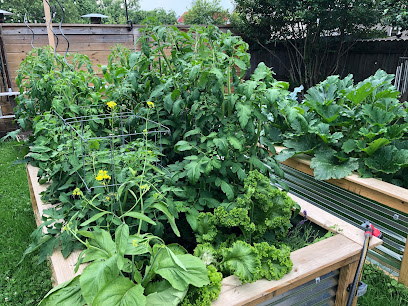
Horseshoe Garden Urban Farm holds a five-star rating from local patrons, though their digital presence is currently unreadable. Their status as an urban farm suggests a focus on hyper-local production, likely operating within city limits to reduce transit time from harvest to plate.
Fort Thomas Microgreens operates as a food producer rather than a traditional farm, prioritizing a direct-to-consumer delivery model. By cutting out the retail middleman, they provide residents with red beets and other greens that retain higher nutrient density compared to grocery store alternatives that spend days in transit.
Microgreens are the cotyledon stage of vegetables, harvested just after the first true leaves emerge. Research shows these tiny plants contain up to 40 times the nutrient concentration of their mature counterparts. Broccoli microgreens, for instance, are dense in sulforaphane, a compound linked to reduced inflammation. Pea shoots provide a significant source of vitamins A, C, and K, while radish microgreens offer a potent dose of antioxidants and a spicy flavor profile that enhances salads and sandwiches. For Bellevue urbanites, integrating these into a daily diet provides a practical way to combat nutrient deficiencies often associated with processed food consumption. Because these greens are so fragile, the "farm-to-doorstep" model utilized by local producers is essential; it minimizes oxidative damage that occurs during long-haul shipping. Buying local means the greens remain alive until the moment they are consumed, preserving the delicate enzymes and cellular structure that contribute to their health benefits.
A: Local microgreens are harvested closer to the point of consumption, ensuring higher nutrient density and better texture than greens that have been shipped across state lines.
A: Most locally grown microgreens are produced in sterile, controlled environments. A light rinse in cool water immediately before consumption is recommended, but avoid soaking them, as they are highly perishable.
A: When stored properly in an airtight container with a paper towel, most varieties will remain fresh for 5 to 7 days.
The most popular reviews:
I've gotten micro greens twice now, and they're awesome. Super delicious, fresh, and literally could not be more convenient. Love the reusable box program. Do yourself a favor!
— Horseshoe Garden Urban Farm