Microgreen Farms in Kentucky

Explore 8 local microgreen producers across 5 cities.

Select your city:
Loading Map...

Top Rated Farms in KY

UrbanEco Farms
💬 42 reviews5
Agricultural production

UrbanEco Farms

Urban Organic Microgreen and Sprout Grower. Top products: Sandwich blend microgreens, Radish sprouts, Sunflower microgreens, Broccoli microgreens. UrbanEco Farms is an urban agricultural operation dedicated to providing high-quality, non-GMO, and organically grown microgreens, sprouts, and herbs. Their business model centers on a 'fresh-cut-to-order' approach, ensuring that products are harvested only when an order is ready for delivery to maintain peak flavor and nutritional value. The farm serves both individual consumers and professional culinary clients, including bartenders and restaurant chefs, who utilize their products for diverse applications ranging from garnishes to main dish enhancements. Beyond production, the farm distinguishes itself through a strong commitment to customer education and personalized service. By fostering direct relationships with their clientele, they have established a reputation for superior product freshness and consistent quality compared to traditional wholesale suppliers.

📍4505 Produce Rd, Louisville, KY 40218, USA
Route
80 Acres Farms
💬 16 reviews4.1
Farm

80 Acres Farms

📍7455 Empire Dr, Florence, KY 41042
Route
Everae Gardens
💬 5 reviews5
Food producer

Everae Gardens

Indoor Urban Microgreens Farm. Top products: Microgreens. Everae Gardens is an indoor urban microgreens farm strategically located to serve the Lexington, Kentucky area and its surrounding counties. The business focuses on the hyper-local production of nutrient-dense microgreens designed to enhance the flavor and nutritional profile of culinary dishes. By operating as an indoor facility, they maintain consistent growing conditions to ensure high-quality output for their local market. Their presence at the Woodhill International Market suggests a commitment to direct-to-consumer engagement and local food accessibility. The farm serves as a vital resource for residents and culinary professionals seeking fresh, locally grown greens within the urban landscape.

📍1926, Deauville Drive, Lexington, Kentucky, 40504, US
Route
Horseshoe Garden Urban Farm
💬 2 reviews5
Farm

Horseshoe Garden Urban Farm

📍137 Foote Ave, Bellevue, KY 41073
Route
Website unavailable
Baby Leaf Farm
💬 1 reviews5
Farm

Baby Leaf Farm

Urban Microgreen Farm and Local Delivery Service. Top products: Microgreens. Baby Leaf Farm is an urban agricultural operation based in Lexington, specializing in the cultivation and distribution of fresh microgreens. The farm prioritizes accessibility for the local community by offering free delivery services throughout the Lexington area on a recurring schedule of Mondays, Wednesdays, and Fridays. Beyond their direct-to-consumer delivery model, the farm maintains a strong physical presence by participating in multiple local farmers' markets, including the Downtown, Southland, Chevy Chase, and Gardenside locations. Their business model focuses on bridging the gap between urban consumers and fresh, locally grown produce. By leveraging both a convenient home-delivery infrastructure and established community market channels, Baby Leaf Farm ensures consistent access to their harvest for local residents.

📍2097 Williamsburg Rd, Lexington, KY 40504
Route
Farm Background Placeholder
U
💬 1 reviews5
Farm

Union Microgreens Farm

📍4505 Produce Rd, Louisville, KY 40218, USA
Route
No website listed
Fort Thomas Microgreens
Food producer

Fort Thomas Microgreens

Direct-to-Consumer Microgreen Delivery Service. Top products: Red beets. Fort Thomas Microgreens is a specialized agricultural operation focused on the cultivation and distribution of nutrient-dense microgreens. The business emphasizes a direct-to-consumer model, prioritizing convenience by offering home delivery services for their fresh harvests. Their current product catalog features vibrant, flavor-forward crops such as red beets, which are marketed for their culinary versatility in salads and various gourmet dishes. By streamlining the supply chain from farm to doorstep, the company aims to provide local households with high-quality, fresh produce. Their operational approach centers on accessibility and the delivery of premium, flavorful greens to the local community.

📍441 Fairfield Ave, Bellevue, KY 41073
Route
Sunderland Berry and Greens
Farm

Sunderland Berry and Greens

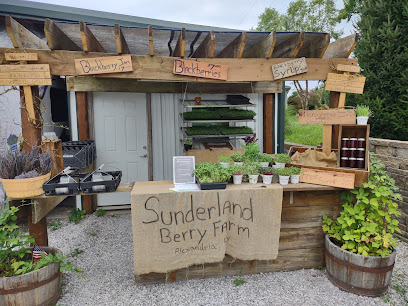
Diversified Small-Scale Farm. Top products: blackberries, strawberries, microgreens, fresh herbs. Sunderland Berry and Greens is a family-oriented agricultural operation focused on the cultivation of high-quality produce. Their core offerings include a variety of berries, microgreens, and fresh herbs, all grown using natural farming methods. The business model emphasizes a direct-to-consumer approach, highlighted by their U-Pick blackberry and strawberry services that invite the local community to participate in the harvest. By prioritizing natural growing practices, the farm aims to provide fresh, healthy food options for both their own family and the surrounding community. Their operation serves as a local source for seasonal fruits and nutrient-dense greens, maintaining a commitment to quality and accessibility.

📍10561 Woeste Rd, Alexandria, KY 41001
Route

Browse by City

The Microgreens Market in Kentucky

Kentucky’s agricultural landscape is undergoing a structural shift. While the state remains a powerhouse for tobacco, corn, and soybeans, a niche segment is emerging: microgreens and controlled environment agriculture (CEA). The current market includes seven verified farms operating at high efficiency. These producers are capitalizing on the demand for nutrient-dense, high-turnover crops that bypass the traditional long-cycle growing seasons typical of Kentucky’s rolling geography.

The market is characterized by a mix of high-rated established players like Queen City Farms and Everae Gardens, alongside specialized producers like Fort Thomas Microgreens. These operations are moving away from traditional soil-based field agriculture to vertical farming and hydroponic systems. This pivot is essential for scalability in a state where land prices near urban centers are rising, and year-round supply is now the baseline expectation for high-end hospitality and health-conscious consumers.

Top Cities for Fresh Greens

Urban farming in Kentucky is not distributed evenly. It is concentrated in three specific hubs: Independence, Lexington, and Covington. The data reveals a clear trend: proximity to the Greater Cincinnati metropolitan area drives the highest density of growers.

  • Independence: Currently the state leader with three verified farms. Its location allows for rapid distribution into the Northern Kentucky and Cincinnati markets, reducing food miles significantly.
  • Lexington: Home to two farms. As a central academic and culinary hub, Lexington provides a steady demand for fresh, local greens from the restaurant industry.
  • Covington: Also boasting two farms, this city serves as a critical logistical point for the river-border economy, facilitating quick access to urban consumers.

The concentration in these cities is not accidental. It reflects a "hub-and-spoke" model where growers cluster near dense populations to minimize transportation costs for delicate micro-crops that have a short shelf life.

Kentucky Climate & Indoor Farming

Kentucky’s humid subtropical climate presents significant challenges for traditional field-grown greens. Summers are characterized by high humidity, which increases the risk of fungal pathogens like downy mildew and botrytis. Winters, while manageable, limit the growing window for delicate crops like arugula, radish, or sunflower shoots. These environmental constraints make indoor hydroponic farming a necessity, not just a preference.

By moving production indoors, Kentucky growers eliminate the volatility of the state’s erratic weather patterns. Hydroponic systems allow for precise control over pH levels, nutrient delivery, and photoperiods. This is critical for microgreens, which require specific light spectrums to develop flavor profiles and color. Furthermore, water usage is drastically reduced compared to field agriculture. In a state that occasionally deals with seasonal drought, the recirculating water systems used by farms like 80 Acres Farms represent a sustainable model for the future of Kentucky agriculture.

Sourcing Locally in KY

For chefs, grocery retailers, and residents looking to shorten their supply chains, the following farms are the standard-bearers for quality in the state:

  • 80 Acres Farms: A large-scale operation with a 4.1 rating, focusing on high-tech, indoor production.
  • Queen City Farms: Maintains a perfect 5-star rating; ideal for consumers seeking high-quality, consistent output.
  • Everae Gardens: A specialized food producer with a 5-star rating, perfect for niche culinary needs.
  • Horseshoe Garden Urban Farm: A highly-rated farm focused on urban-integrated growing.
  • Baby Leaf Farm: Another 5-star rated producer, focusing on tender, young greens.
  • Fort Thomas Microgreens: A direct-to-consumer food producer serving the Northern Kentucky region.
  • Sunderland Berry and Greens: A traditional farm model diversifying into the greens market.

To engage these suppliers, buyers should prioritize direct-to-farm inquiries to ensure the freshest possible harvest, as microgreens degrade within 24 to 48 hours of cutting. Establishing a direct relationship with these local growers remains the most effective way to guarantee consistency and quality.

Frequently Asked Questions

Q: Why are most microgreen farms located in Northern Kentucky?

A: The concentration of farms in cities like Independence and Covington is largely driven by their proximity to the Greater Cincinnati metropolitan area, which offers a dense customer base and shorter distribution routes for highly perishable produce.

Q: Does the Kentucky climate affect indoor microgreen production?

A: Yes. Kentucky's high summer humidity and seasonal temperature swings make outdoor growing difficult for delicate microgreens. Indoor hydroponic systems mitigate these issues by allowing for complete control over temperature, humidity, and light.

Q: How can I verify the quality of a local microgreen farm?

A: Look for producers with transparent growing practices, such as those that use organic inputs, maintain clean-room environments, and have high consumer ratings from local hospitality partners.