Local Microgreens Market in Lexington
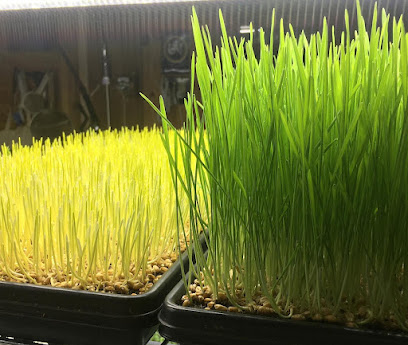
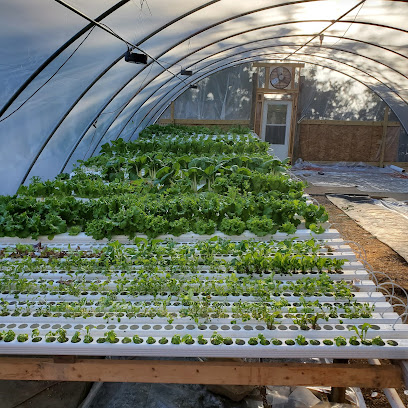
Lexington’s local food economy currently features two primary producers specializing in microgreens. These urban operations bypass traditional field agriculture, relying instead on indoor controlled environments. Kentucky’s climate presents significant challenges for year-round outdoor farming, including high humidity and volatile seasonal temperature shifts. By moving production indoors, Baby Leaf Farm and Everae Gardens insulate their crops from these environmental stressors. This shift to vertical farming and hydroponic methods allows for a consistent harvest regardless of the outside weather, ensuring that local residents have access to high-quality greens throughout the entire calendar year.
Comparison of Top Growers
| Farm Name | Rating | Specialization | Type |
|---|
| Baby Leaf Farm | 5 | Microgreens | Farm |
| Everae Gardens | 5 | Microgreens | Food producer |
Deep Dive into Suppliers
Baby Leaf Farm operates as an urban agricultural hub with a heavy emphasis on community logistics. They distinguish themselves through a structured delivery system that runs on Mondays, Wednesdays, and Fridays, alongside a consistent presence at major local markets including Downtown, Southland, Chevy Chase, and Gardenside.
Everae Gardens utilizes an indoor urban model to maintain precise growing conditions for their products. Their focus on hyper-local production serves both the general public and culinary professionals, with a notable retail presence at the Woodhill International Market.
The Science of Microgreens
Microgreens are more than just a garnish. These young vegetable greens, harvested just after the cotyledon leaves have developed, offer a concentrated dose of vitamins and minerals. Research suggests that certain varieties contain higher levels of polyphenols and antioxidants compared to their mature counterparts. For instance, broccoli microgreens are often cited for their sulforaphane content, while radish microgreens provide a significant boost of Vitamin C and Vitamin E. Pea shoots offer a substantial source of plant-based protein and fiber, making them an essential addition to a diet that might otherwise lack variety during the Kentucky winter months.
Buying Guide for KY Residents
- Visual Inspection: Look for vibrant, upright stems. Avoid any product with signs of wilting, yellowing, or excess moisture in the packaging, as these indicate improper storage.
- Scent Profile: Freshly harvested microgreens should smell clean and slightly earthy. A sour odor suggests the product is past its prime.
- Support Local Infrastructure: By purchasing from urban farms like Baby Leaf or Everae, you reduce the carbon footprint associated with long-distance shipping. Locally grown greens spend less time in transit, meaning higher nutrient retention from harvest to your kitchen table.
- Storage Tips: Keep your greens in the original container or a breathable bag in the refrigerator. Consume them within 3-5 days of purchase for the best flavor and texture.
- Culinary Versatility: Use them as a topping for soups, a base for salads, or a nutrient-dense addition to morning smoothies. Because they are delicate, avoid cooking them at high heat; instead, add them as a final garnish to preserve their nutritional integrity.