Local Microgreens Market in Louisville
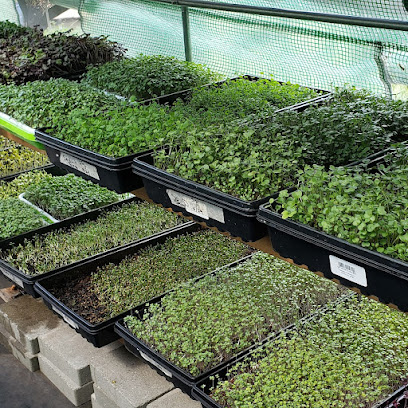
Louisville currently supports a lean, specialized market for microgreens. With only two identified primary suppliers, the city relies on high-touch, hyper-local production models rather than large-scale industrial distribution. This scarcity shifts the burden of supply onto urban agriculturalists who utilize vertical farming techniques to bypass the limitations of Kentucky’s erratic seasonal climate.
Kentucky's weather—characterized by humid summers and volatile winter temperature swings—historically hinders year-round traditional field farming. However, the current microgreen suppliers in Louisville mitigate these climate impacts by moving production indoors. By utilizing hydroponic or controlled-environment agriculture, these growers stabilize the growing cycle. They ignore outside frost dates and humidity levels, providing a consistent, year-round harvest of nutrient-dense greens that would otherwise require long-haul transportation from warmer climates.
Comparison of Top Growers
| Farm Name | Rating | Specialization | Type |
|---|
| UrbanEco Farms | 5 | Sandwich blends, Radish, Sunflower, Broccoli | Agricultural production |
| Union Microgreens Farm | 5 | Not specified | Farm |
Deep Dive into Suppliers
UrbanEco Farms operates on a fresh-cut-to-order model. By harvesting only when a customer places an order, they eliminate the shelf-life decay associated with grocery store produce. This farm prioritizes direct relationships with chefs and individual consumers, ensuring that the enzymatic activity and nutritional profile of the microgreens remain at their peak.
Union Microgreens Farm maintains a five-star rating, though public technical data remains limited. As a specialized farm, their presence in the Louisville market indicates a focus on small-batch production. Buyers should reach out directly to determine if their current output aligns with retail or wholesale needs, as their digital footprint is currently minimal.
Nutritional Science and Urban Demand
Microgreens are not just garnishes. They are concentrated nutrient powerhouses. Research indicates that microgreens can contain up to 40 times the concentration of vitamins and antioxidants—such as Vitamin C, E, and beta-carotene—compared to their mature plant counterparts. For the urban resident in Louisville, consuming these greens provides a vital bridge in dietary health during months when local field-grown vegetables are unavailable.
Broccoli microgreens are particularly notable for their sulforaphane content, a compound linked to powerful anti-inflammatory properties. Radish microgreens offer a distinct, peppery flavor profile while providing high levels of Vitamin K. Sunflower shoots are packed with protein and essential amino acids, making them a dense caloric supplement for salads or smoothies. By sourcing these locally, residents ensure that the produce has not suffered the nutrient degradation that occurs during the 1,500-mile transit typical of supermarket supply chains.
Buying Guide for KY Residents
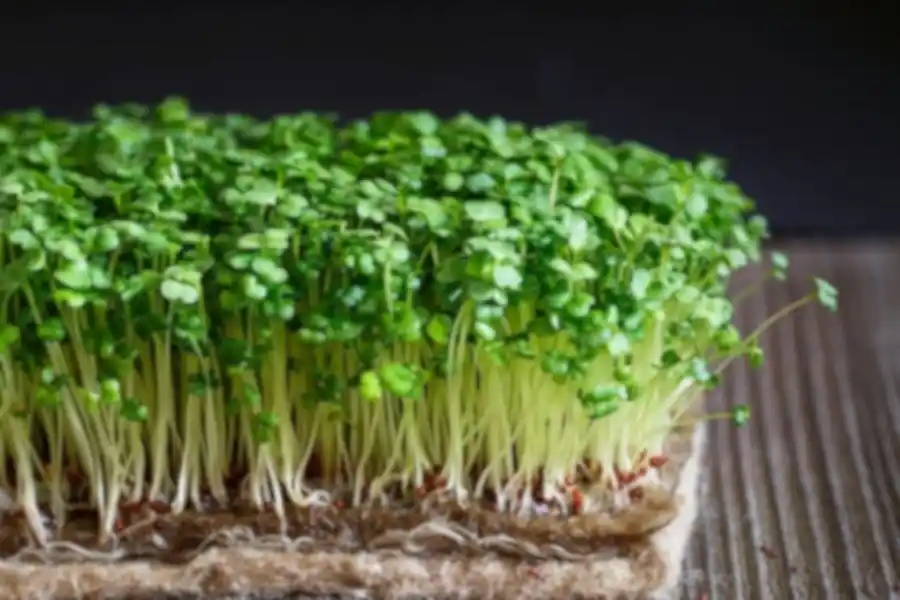
- Check the Roots: If buying live trays, ensure the roots are white and healthy, not brown or slimy.
- Sensory Test: Fresh microgreens should stand upright. Wilting or yellowing leaves indicate the product was harvested too long ago.
- Ask for Cut Dates: Always inquire when the greens were harvested. A 24-hour window is ideal for maximum flavor.
- Storage Protocol: Keep them in a sealed container in the refrigerator. Use them within 5 to 7 days to maintain their crisp texture.
- Support Hyper-Local: Buying from farms like UrbanEco ensures your money stays within the Louisville economy and reduces the carbon footprint associated with long-distance food logistics.