The Rise of Urban Farming in Littleton
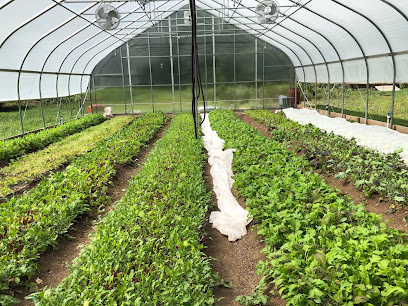
Littleton is experiencing a shift toward hyper-local food production, with urban farming and indoor cultivation becoming essential components of the regional food system. By utilizing controlled-environment agriculture, local growers are able to provide consistent access to nutrient-dense greens regardless of external weather conditions. This move toward indoor and hybrid farming systems allows for a smaller physical footprint while maximizing crop yields, aligning with the growing demand for sustainable, farm-to-table produce in Middlesex County.
Current Local Growers
The following table highlights key contributors to the Littleton agricultural landscape, focusing on those who specialize in microgreens and sustainable greens.
| Farm Name | Specialties | Growing Method |
|---|
| Johnny Putt Farm | Microgreens, Pea Shoots, Sunflower Shoots, Winter Salad Mix | Hybrid: Organic soil-based & Hydroponic |
Why Buy Locally Grown in MA?
Massachusetts presents a challenging climate for traditional agriculture, characterized by short growing seasons and harsh winters. Indoor and hybrid farming in Littleton mitigates these challenges, allowing for year-round production. By sourcing greens locally, consumers avoid the carbon footprint associated with long-distance shipping and the degradation of nutrients that occurs during transit. Additionally, local operations often prioritize eco-friendly packaging, such as compostable or reusable bags, further reducing the environmental impact of grocery consumption.
Popular Varieties & Culinary Uses
Microgreens are more than just a garnish; they are packed with vitamins and intense flavor. Understanding how to incorporate them into daily meals can elevate home cooking:
- Sunflower Shoots: Known for a nutty flavor and crunchy texture. Use them in salads, stir-fries, or as a base for sandwiches.
- Pea Shoots: Sweet and fresh, these are excellent in pasta dishes, blended into pesto, or as a nutritious topping for avocado toast.
- Radish Microgreens: These offer a spicy, peppery kick. They are ideal for topping tacos, soups, or hearty grain bowls to add a sharp contrast to richer ingredients.