The Microgreens Market in Massachusetts
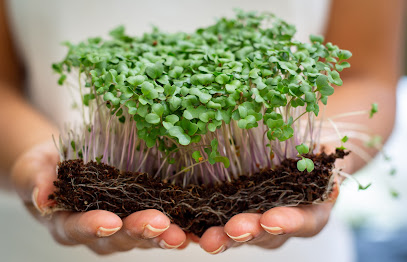
The microgreens market in Massachusetts is currently characterized by high-quality, small-scale operations that prioritize hyper-local distribution. Unlike large-scale industrial produce, these five verified farms—Worcester Hills Farm, FreshBox Farms, Johnny Putt Farm, Lindsay's Local, and Sudbury Mushrooms and Microgreens—focus on rapid turnover and nutrient density. The demand for microgreens in the Commonwealth is driven by a sophisticated culinary scene and a growing consumer base interested in organic, locally sourced nutrition. Because these greens have a short shelf life, the market structure relies heavily on proximity between the grower and the end-user. The current density of farms indicates a market that is not yet saturated but is strategically positioned to serve the state’s urban centers. Growers are increasingly turning to vertical farming technologies to maximize yield per square foot, a necessary evolution given the high cost of real estate in Massachusetts.
Top Cities for Fresh Greens
The distribution of urban farming hubs in Massachusetts follows a pattern of localized production. The state currently features five active hubs: Taunton, Fitchburg, Framingham, Marlborough, and Worcester. Each of these cities provides a unique logistical advantage for microgreen production. In cities like Taunton, agricultural expansion is supported by access to regional transport corridors, allowing for efficient delivery cycles. Worcester, as a major secondary city, serves as a central hub for high-density consumer demand, supporting operations like Worcester Hills Farm. Framingham and Marlborough offer strategic placement within the I-495 belt, connecting growers directly to both residential and commercial kitchen markets. Fitchburg represents the northern tier of this agricultural network, providing fresh produce to areas that might otherwise rely on longer-distance supply chains. These cities are not random; they are chosen by growers to minimize the 'mile-to-plate' ratio, which is critical for maintaining the structural integrity and flavor profile of delicate micro-vegetables.
Massachusetts Climate & Indoor Farming
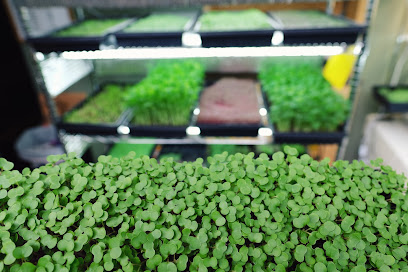
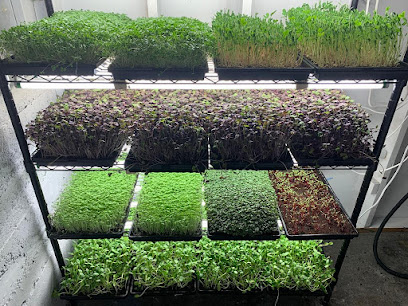
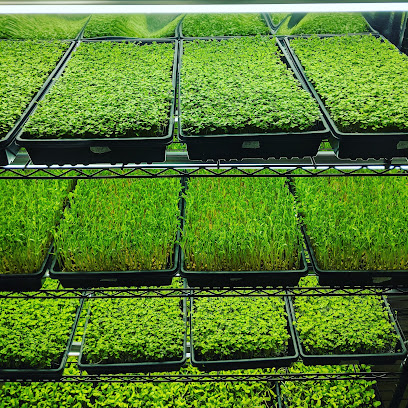
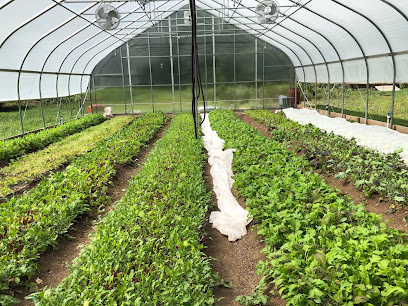
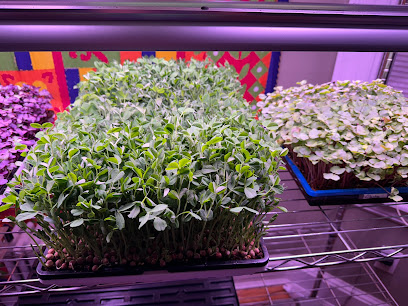
Massachusetts presents a challenging climate for traditional agriculture. The state experiences a short growing season and harsh winter temperatures, which effectively limit outdoor production to between late spring and early autumn. This seasonality is a primary driver for the adoption of indoor hydroponic and vertical farming methods. By utilizing controlled environment agriculture (CEA), growers in Massachusetts can bypass the limitations of the local climate. These systems allow for precise control over light spectrums, humidity, and nutrient delivery, ensuring year-round production. Furthermore, Massachusetts has strict water management regulations and a growing focus on sustainability. Indoor farming systems are significantly more water-efficient than soil-based farming; hydroponic setups can use up to 90% less water than traditional field agriculture. This makes indoor, urban microgreen production a highly viable, eco-friendly solution for the state's agricultural future, insulating producers from the risks of drought and erratic rainfall patterns.
Sourcing Locally in MA
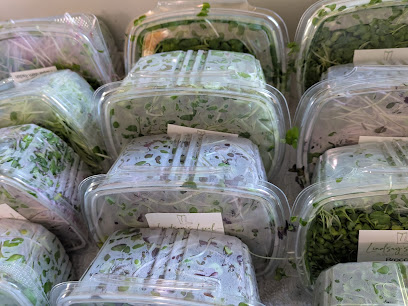
For restaurants, grocery buyers, and residents looking to source fresh microgreens, the following suppliers represent the current benchmark for quality in Massachusetts:
- Worcester Hills Farm: A top-rated provider focusing on consistent, high-yield production suitable for commercial culinary applications.
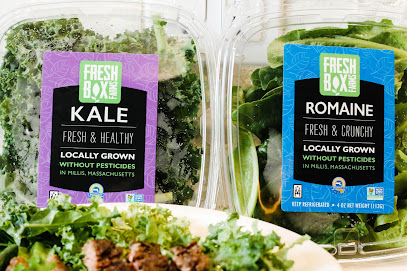
- FreshBox Farms: Utilizes advanced growing techniques to ensure year-round availability regardless of Massachusetts weather conditions.
- Johnny Putt Farm: Focused on local, direct-to-consumer distribution models that emphasize freshness.
- Lindsay's Local: A diversified producer offering organic microgreens alongside value-added goods like raw honey and eggs, ideal for local farmers' markets.
- Sudbury Mushrooms and Microgreens: Specialized in controlled-environment specialty crops, providing a niche product line for high-end local demand.
To secure the freshest product, buyers should prioritize farms that offer direct delivery or local pickup. Establishing a recurring order with these farms is the best way to ensure supply, as microgreen production is often tied to specific harvest cycles that can be impacted by high demand.