Local Microgreens Market in Detroit
Detroit’s microgreen market remains highly concentrated, with only two primary suppliers currently identified. This limited supply chain reflects the broader transition of urban agriculture in Michigan, where indoor vertical farming is becoming a necessity rather than a trend. Because Michigan winters render traditional outdoor soil-based farming impossible for six months of the year, indoor hydroponic and vertical systems are the only way to maintain a consistent supply of fresh, nutrient-dense produce. These two farms represent the shift toward year-round food security for the city.
Comparison of Top Growers
| Farm Name | Rating | Specialization | Type |
|---|
| Motor City Micro Farm | 5 | Sunflower, Pea, Broccoli | Farm |
| Green Urban Microfarm | N/A | N/A | Farm |
Deep Dive into Suppliers
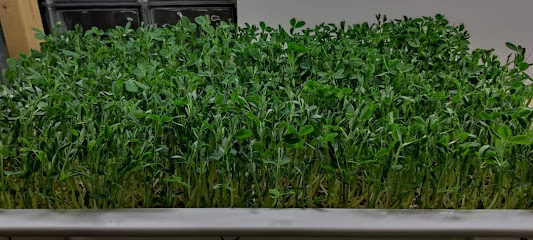
Motor City Micro Farm operates as a professional, Detroit-based facility focused on high-density production. By prioritizing wholesale distribution to regional grocery partners, they ensure that nutrient-dense crops like sunflower and pea shoots reach consumers beyond just the seasonal farmers' market circuit.
Green Urban Microfarm represents a smaller footprint in the local market. As a farm with limited public data, buyers should approach this supplier as a potential boutique or direct-to-consumer source, as smaller urban operations often rely on direct community engagement rather than broad digital presence.
The Nutritional Science of Urban Greens
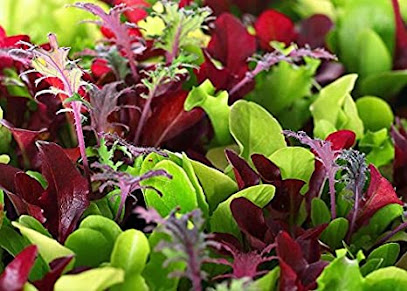
Microgreens—the seedlings of vegetables and herbs—pack higher concentrations of vitamins and antioxidants than their mature counterparts. Broccoli microgreens, for instance, contain significantly higher levels of sulforaphane, a compound linked to cancer prevention, compared to mature broccoli. Pea shoots offer a concentrated source of vitamins A, C, and K, providing a dense nutrient profile that is vital for residents with limited access to fresh, organic produce in dense urban environments.
Because these crops are harvested at the cotyledon stage, usually 7 to 21 days after germination, they require precise climate control. Michigan's erratic weather patterns—ranging from humid, hot summers to freezing, low-light winters—make indoor controlled-environment agriculture (CEA) the gold standard. By manipulating light spectra and humidity, Detroit growers produce greens that are often more consistent in quality than those shipped from out-of-state via long-haul trucking.
Buying Guide for MI Residents
- Check for Turgidity: Fresh microgreens should stand upright. If they appear wilted or slimy, they have likely been stored too long or exposed to improper humidity levels.
- Visual Inspection: Look for bright, vibrant colors. Any yellowing or brown spots indicate aging or poor growing conditions.
- Soil vs. Hydroponic: Both methods are safe, but hydroponic greens often have a cleaner appearance. Ensure the roots, if attached, are white and free of mold.
- Local Advantage: Purchasing from Detroit-based farms reduces the 'food miles' associated with your greens. This ensures higher nutrient retention, as vitamins like Vitamin C begin to degrade immediately after harvest.
- Storage: Keep your greens in the original container in the crisper drawer. Do not wash them until you are ready to use them, as excess moisture accelerates decay.