Microgreen Farms in Michigan

Explore 11 local microgreen producers across 10 cities.

Select your city:
Loading Map...

Top Rated Farms in MI

Farm Background Placeholder
1
💬 26 reviews4.9
Farm

1st Micro Greenery

Urban Microgreen Farm. Top products: Microgreens, Specialty greens, Seasonal produce. 1st Micro Greenery is an urban agricultural operation based in Grand Rapids, Michigan, dedicated to the cultivation and distribution of high-quality microgreens. The farm focuses on providing fresh, nutrient-dense greens to the local community, emphasizing accessibility through their online shop and direct-to-consumer sales model. By leveraging an urban location, they minimize the distance from harvest to table, ensuring peak freshness for their customers. Their business model incorporates a digital-first approach, utilizing email marketing to keep patrons informed about new product arrivals, seasonal trends, and exclusive promotional events. The company serves as a localized source for culinary professionals and home cooks seeking premium, sustainably grown micro-vegetables.

📍433 Broadway Ave NW, Grand Rapids, MI 49504
Route
Revolution Farms
💬 26 reviews4.7
Farm

Revolution Farms

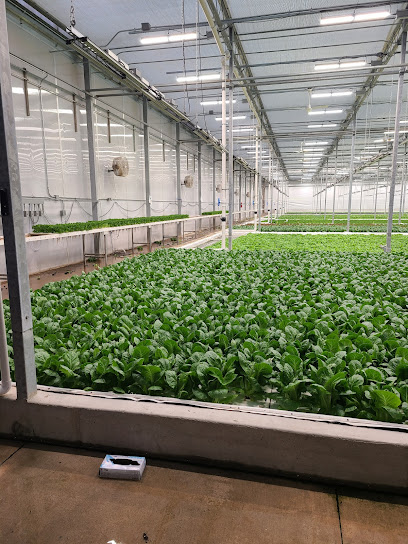
Greenhouse-Grown Hydroponic Lettuce Producer. Top products: Michigan Mix, Robust Romaine, Gourmet Green Leaf Blend, Green Sweet Crisp. Revolution Farms is a Michigan-based greenhouse operation specializing in year-round, non-GMO, and pesticide-free lettuce production. By utilizing a controlled indoor ecosystem, the company achieves 14 crop rotations annually, significantly outpacing traditional outdoor farming methods. Their business model focuses on both retail distribution through major regional grocery chains like Meijer and Horrocks, and wholesale supply for the local restaurant industry. Driven by a mission to provide nutrient-dense, locally grown produce, they emphasize high-quality, mature greens with superior shelf life. The company also maintains a strong commitment to community engagement through active partnerships with local food banks and charitable organizations.

📍2901 76th St SE, Caledonia, MI 49316
Route
Local Acre
💬 19 reviews5
Agricultural production

Local Acre

Microgreen Producer. Top products: Microgreens. Local Acre is a specialized agricultural producer focused on the cultivation of nutrient-dense microgreens. The farm prioritizes the delivery of wholesome, high-quality produce designed to support the health and wellness of its local community. By focusing on concentrated nutrition, the business caters to health-conscious consumers seeking fresh, locally grown greens for daily consumption. While the specific growing methodology is not explicitly detailed, the brand emphasizes a commitment to quality and freshness. Local Acre positions itself as a reliable source for individuals looking to integrate nutrient-rich superfoods into their dietary routines. The farm operates with a clear mission to provide accessible, high-impact produce to its target market.

📍Keego Harbor, MI, 2454 Avondale St W, Sylvan Lake, MI 48320, USA
Route
Fourth Soil Farm
💬 8 reviews5
Farm

Fourth Soil Farm

Direct-to-consumer organic microgreens farm. Top products: broccoli, pea, sunflower, radish. Fourth Soil Farm is a small-scale, community-focused agricultural operation based in Ypsilanti, Michigan, operated by Karl and Jeanne Thuemmel. The farm specializes in the production of nutrient-dense microgreens, utilizing a made-to-order model that ensures products are harvested and delivered to local customers within 24 hours. Their cultivation process emphasizes organic practices, providing fresh, living greens that are marketed for their superior vitamin and mineral concentration compared to mature vegetables. By focusing on a direct-to-doorstep delivery service, the business prioritizes freshness and community accessibility. The farm encourages the integration of their four core microgreen varieties into daily diets to promote health and enhance culinary experiences.

📍Geddes Avenue, Ann Arbor, Michigan, 48104, US
Route
Green Village Farm
💬 4 reviews5
Farm

Green Village Farm

Microgreen Producer and Local Delivery Service. Top products: Microgreens. Green Village Farm is a local agricultural producer specializing in the cultivation of nutrient-dense microgreens. Operating as an online farmers market, the farm provides fresh, locally grown produce to residents in Cascade, Plainfield, and Wyoming. Their business model centers on a Community Supported Agriculture (CSA) framework, offering both weekly home delivery and convenient pickup options. The farm emphasizes the health benefits of microgreens, highlighting their superior concentration of vitamins and antioxidants compared to mature vegetables. Driven by a mission to promote sustainable food systems, the farm aims to connect consumers directly to their food source while fostering a community-focused approach to nutrition.

📍1768, Middleground Drive Southeast, Kentwood, Michigan, 49546, US
Route
Motor City Micro Farm
💬 3 reviews5
Farm

Motor City Micro Farm

Urban Microgreen Farm and Wholesale Supplier. Top products: Sunflower microgreens, Pea shoot microgreens, Broccoli microgreens, Microgreen mixes. Motor City Micro Farm is a Detroit-based agricultural operation specializing in the sustainable cultivation of nutrient-dense microgreens. The farm serves a dual customer base, providing high-quality produce to both health-conscious retail consumers and professional chefs seeking aesthetic and flavor enhancements for culinary presentations. While historically active in local farmers' markets, the business has strategically pivoted to prioritize its growing wholesale distribution network through various regional grocery partners. Their operations emphasize the health benefits of microgreens, including high concentrations of vitamins and antioxidants. The farm maintains a professional production facility in Detroit, managing orders and inquiries throughout the standard work week.

📍10090 W Chicago, Detroit, MI 48204
Route
MicroFresh Market LLC
💬 2 reviews5
Agricultural production

MicroFresh Market LLC

Microgreen Producer and Health Food Vendor. Top products: sunflower microgreens, broccoli microgreens, radish microgreens, kale microgreens. MicroFresh Market LLC is a specialized health food vendor operating in Southeast Michigan, focused on the production and distribution of nutrient-dense microgreens. The company emphasizes the health benefits and culinary versatility of their crops, positioning microgreens as a lifestyle staple rather than a temporary trend. Their core product line includes a variety of greens such as sunflower, broccoli, radish, and kale, which are marketed to health-conscious consumers. The business maintains a strong commitment to sustainable agricultural practices while providing direct access to fresh, high-quality produce. Through their digital platform, they facilitate customer engagement and sales, utilizing modern communication channels to manage their local market presence.

📍34634 Ash St, Wayne, MI 48184
Route
Farm Background Placeholder
U
💬 2 reviews5
Organic farm

Urban Barn Farms

📍1017 Sargent Ave SE, Ada, MI 49301
Route
No website listed
Altalune Microgreens
💬 1 reviews5
Farm

Altalune Microgreens

📍3515 Sashabaw Rd, Waterford Township, MI 48329
Route
No website listed
West Michigan Microgreens
💬 1 reviews5
Farm

West Michigan Microgreens

📍5439 Farr Rd, Fruitport, MI 49415
Route
Green Urban Microfarm
Farm

Green Urban Microfarm

📍8405 Mary Grove Dr, Detroit, MI 48221
Route
No website listed

Browse by City

The Microgreens Market in Michigan

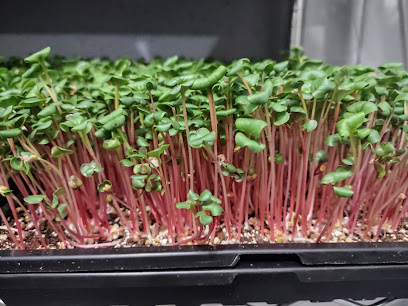
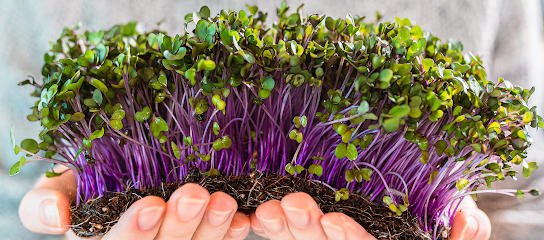
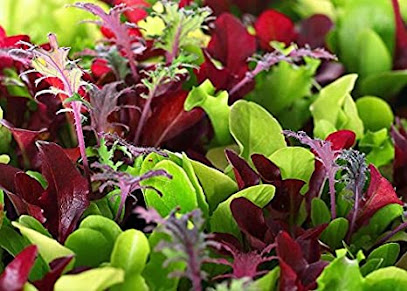
The Michigan microgreens market is currently defined by a shift toward localized, high-density production. With 13 verified farms operating across 10 key cities, the sector is moving away from broad-acre industrial agriculture toward climate-controlled urban facilities. Microgreens—harvested within 7 to 21 days—offer a high-turnover crop that maximizes square footage in expensive urban real estate. Growers in this state are leveraging hydroponic and vertical farming techniques to bypass soil degradation and the short, unpredictable Michigan growing season. The market relies on premium quality, as evidenced by the high ratings of local producers such as 1st Micro Greenery (4.9) and Local Acre (5.0). Consumers and chefs are increasingly prioritizing these hyper-local supply chains to reduce the carbon footprint associated with long-haul produce transport.

Top Cities for Fresh Greens

Market density is not distributed evenly across the Great Lakes State. Forest Hills, Auburn Hills, and Dearborn lead the state with two verified farms each, indicating a higher concentration of demand or favorable zoning for agricultural production. This clustering is strategic. Forest Hills and Auburn Hills benefit from proximity to affluent consumer bases, allowing growers to maintain short delivery routes for sensitive, highly perishable micro-herbs. Meanwhile, industrial-urban hubs like Dearborn and Detroit utilize repurposed spaces for vertical farming, proving that agricultural production can thrive in post-industrial infrastructure. Other key nodes include Port Huron, Kentwood, Grand Rapids, Muskegon, Ann Arbor, and Wayne. These cities serve as regional distribution points, ensuring that microgreen availability is not confined to the southeastern corner of the state.

Michigan Climate & Indoor Farming

Michigan’s climate presents a significant bottleneck for traditional agriculture. The state experiences a short frost-free season, and heavy snowfall limits outdoor production for nearly half the year. However, this environmental constraint acts as a primary catalyst for the growth of indoor, vertical farming. By moving production inside, Michigan growers neutralize the variables of extreme cold and limited sunlight. Hydroponic systems, which use up to 90% less water than field farming, are critical here. While Michigan is water-rich due to the proximity of the Great Lakes, the energy costs associated with climate control—HVAC, LED lighting, and dehumidification—are the primary operational expenses. Successful farms like Revolution Farms and Urban Barn Farms have optimized these energy inputs to maintain year-round production, effectively decoupling their harvest cycles from the external climate. This reliability is the core value proposition for local chefs who require consistent, year-round supply regardless of the weather in the Great Lakes basin.

Sourcing Locally in MI

Connecting with Michigan’s microgreen suppliers is a straightforward process for residents and local businesses. To secure the freshest product, follow these steps:

  • Direct-to-Farm Purchasing: Contact farms like Altalune Microgreens or West Michigan Microgreens directly to inquire about weekly harvest availability and subscription boxes.
  • Restaurant Partnerships: Many high-end eateries in Grand Rapids and Detroit source exclusively from local producers like Motor City Micro Farm. Ask your server about local ingredient sourcing.
  • Farmers Markets: Look for vendors such as Green Village Farm at regional markets throughout Wayne and Muskegon counties for small-batch, artisanal varieties.
  • Online Marketplaces: Utilize platforms managed by MicroFresh Market LLC or Green Micro Farms to track seasonal availability and schedule local pickup or delivery.
  • Quality Verification: When selecting a supplier, prioritize farms that emphasize food safety protocols, such as Olde Sandwich Towne Microgreens, which cater to the strict requirements of commercial kitchens.

Frequently Asked Questions

Q: Why is microgreen farming growing in Michigan?

A: The state's short outdoor growing season makes indoor, climate-controlled vertical farming a more reliable and profitable alternative for consistent year-round supply.

Q: Which cities have the highest density of microgreen farms?

A: Forest Hills, Auburn Hills, and Dearborn currently lead the state with two verified farms each, serving as primary hubs for urban agricultural production.

Q: Are Michigan microgreens grown using soil?

A: Many Michigan farms utilize hydroponic or soil-less growing media to maximize space, reduce water consumption, and meet strict food safety standards required for commercial distribution.