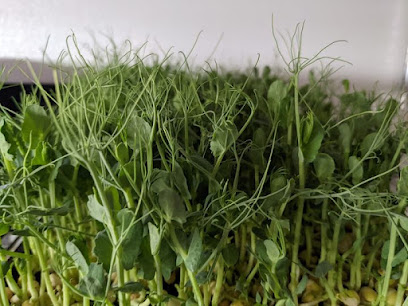
The Rise of Urban Farming in Greenville
Greenville is seeing a transition toward controlled-environment agriculture. By moving production indoors, local growers are bypassing the limitations of traditional soil-based farming to provide residents with consistent access to fresh produce year-round. This shift toward micro-scale, hyper-local production reduces the carbon footprint associated with shipping greens from across the country and ensures that harvests reach local tables within hours, not days.
Current Local Growers
Local agricultural ventures are currently meeting the demand for high-quality, nutrient-dense produce through sustainable practices. The following grower is active in the Greenville and Winterville area:
| Farm Name | Specialty | Location |
|---|
| Sawyer's Micro Farm | Microgreens | Winterville, NC |
Why Buy Locally Grown in NC?
North Carolina’s climate presents challenges for traditional outdoor vegetable production, including high summer humidity and unpredictable seasonal shifts. Indoor microgreen farming mitigates these issues by allowing growers to maintain a stable, chemical-free environment regardless of the weather. By purchasing from local urban farms, Greenville residents support sustainable agricultural practices and receive produce with higher nutrient retention, as the greens are harvested at peak maturity rather than being prematurely picked for transport.
Popular Varieties & Culinary Uses
Microgreens are the young seedlings of vegetables and herbs, harvested shortly after the cotyledon leaves have developed. They offer concentrated flavors and textures that add depth to everyday meals:
- Radish: Known for a spicy, peppery kick. Use them as a garnish for tacos, in egg dishes, or mixed into salads for extra crunch.
- Pea Shoots: These have a sweet, garden-fresh flavor. They are excellent in stir-fries, tossed into smoothies, or used as a base for light lunches.
- Sunflower: Mild and nutty with a satisfying crunch. These are versatile enough to be eaten by the handful, added to sandwiches, or used as a nutrient-dense topping for soups.