The Microgreens Market in North Carolina
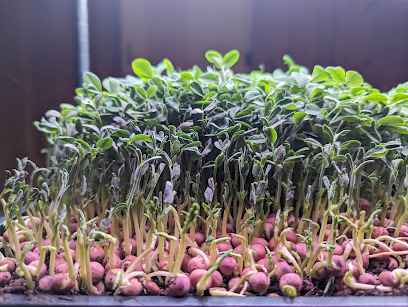
North Carolina’s agricultural sector is undergoing a structural shift. While the state remains a powerhouse for tobacco, sweet potatoes, and poultry, a new wave of producers is moving indoors. There are currently 21 verified microgreen operations across the state. These businesses prioritize rapid turnover cycles—often 7 to 14 days—which allows for consistent cash flow that traditional row-crop farming cannot match. The market is defined by high-quality, boutique production, with top-rated entities like Sweet Peas Urban Gardens, Tiny Cottage Greens, and Sprout Culture Microgreens maintaining perfect 5.0 ratings. The shift toward indoor controlled-environment agriculture (CEA) is not just a trend; it is a response to the demand for year-round, pesticide-free produce in the state's expanding urban centers.
Top Cities for Fresh Greens
Urban farming density in North Carolina correlates directly with population density and the presence of high-end culinary scenes. Charlotte leads the state with three major verified farms. This concentration is logical; Charlotte serves as the state’s primary financial and culinary hub, where high-end restaurants demand daily delivery of fresh, localized greens. Following Charlotte, cities like Leland, Asheville, Cornelius, Garner, Havelock, and Greensboro each support two verified farms. This distribution suggests a localized supply chain model where growers operate within a 20-mile radius of their customer base to ensure maximum shelf life. Regional hubs like Mebane, Wake Forest, and Greenville round out the state's map, indicating that the appetite for high-density nutrition is not limited to the largest metropolitan areas but is spreading into mid-sized markets.
North Carolina Climate & Indoor Farming
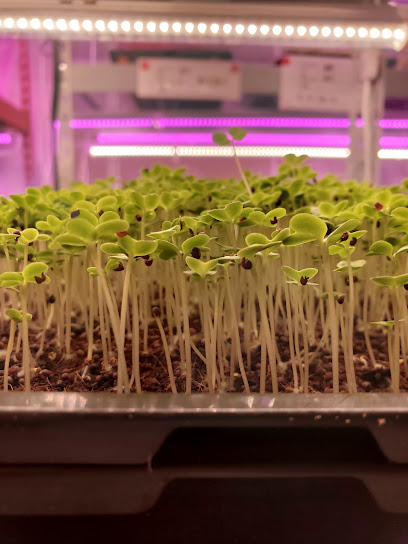
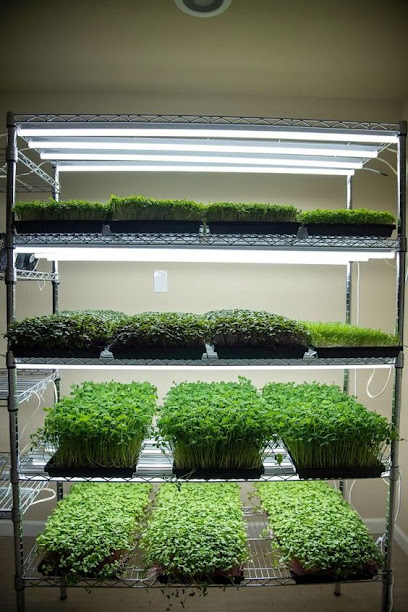
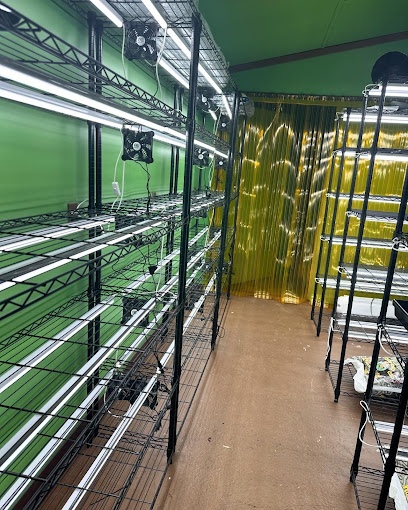
North Carolina’s geography presents unique challenges for outdoor agriculture. The state experiences high humidity levels in the summer, which invites fungal pathogens and pest pressures that can devastate delicate crops like micro-arugula or amaranth. Furthermore, while NC has abundant water, the state periodically faces moderate drought conditions in the Piedmont and Sandhills regions, putting pressure on conventional irrigation systems. Indoor farming and hydroponic setups solve these problems by decoupling crop production from the state’s erratic weather patterns. By using vertical racking systems, growers in places like Asheville or Raleigh can simulate optimal light spectrums and humidity levels regardless of the season. This controlled environment reduces water consumption by up to 90% compared to soil-based outdoor farming, making it an efficient use of North Carolina’s natural resources while ensuring a predictable, year-round harvest for local consumers.
Sourcing Locally in NC
For restaurants, grocery buyers, and local residents looking for the freshest produce, the supply chain is shifting toward direct-to-consumer and wholesale-to-chef models. To secure the highest quality microgreens, consider the following sourcing strategies:
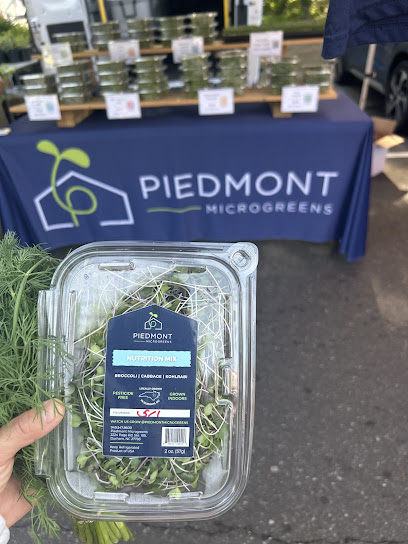
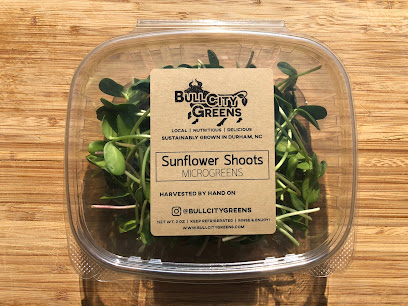
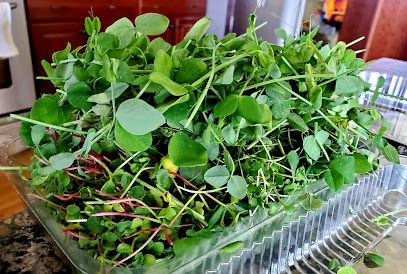
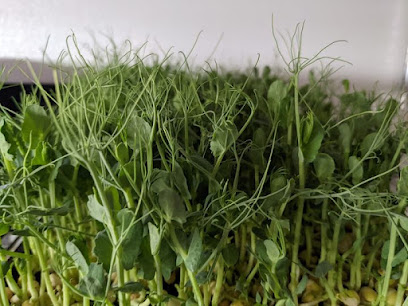
- Prioritize Farm-Direct: Farms like Piedmont Microgreens and Rebel One Farms often specialize in custom-grown trays, allowing chefs to select specific varieties like pea shoots or sunflower greens harvested at the exact peak of flavor.
- Verify Local Wholesalers: Entities such as Harlowe Custom Microgreens function as produce wholesalers, providing a consistent supply for businesses that require higher volume and standardized packaging.
- Support Boutique Health Suppliers: Shops like Mama B’s Microgreens provide a bridge between the grower and the health-conscious consumer, ensuring that local produce is accessible outside of traditional agricultural markets.
- Utilize Specialized Growers: For unique varieties or organic-certified greens, target specialized operations like My Daily Greens or Fields of Revery Micro Farm, which often focus on niche cultivars that improve plate presentation and nutritional density.
- Check Ratings and Consistency: Use platforms to verify the reliability of farms like Crystal Coast Microgreens or Petite Produce, which maintain consistent quality standards, essential for recurring commercial orders.