Local Microgreens Market in Raleigh
Raleigh residents currently have access to two primary localized suppliers for microgreens. These farms operate within the Triangle region, focusing on controlled environment agriculture to bypass the volatility of North Carolina’s outdoor climate. High humidity and fluctuating temperatures in the Piedmont make traditional field-grown greens difficult to maintain consistently, but indoor vertical farming mitigates these issues. By using hydroponic or soil-based indoor systems, these growers ensure year-round availability. The market is currently split between hyper-local urban production and specialized regional distribution, catering to both high-end culinary needs and home-based health enthusiasts.
Comparison of Top Growers
| Farm Name | Rating | Specialization | Type |
|---|
| Petite Produce | 5 | Urban Microgreen Farm | Farm |
| Bull City Greens | N/A | Microgreens and Edible Flowers | Farm |
Deep Dive into Suppliers
Petite Produce, located in Sanford, North Carolina, functions as a dedicated urban farming operation. Their model prioritizes a small physical footprint to maximize yield, focusing on high-quality, nutrient-dense harvests for the immediate community and surrounding areas.
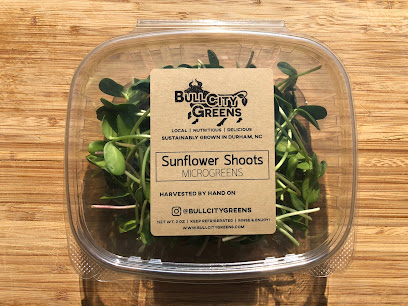
Bull City Greens operates out of Durham, North Carolina, serving as a diverse supplier for both professional chefs and home cooks. Because they lack a public rating, buyers should view them as a direct-to-consumer professional producer; their business model relies on a one to four-week lead time, indicating a made-to-order workflow that emphasizes freshness over shelf-stable inventory.
Buying Guide for NC Residents
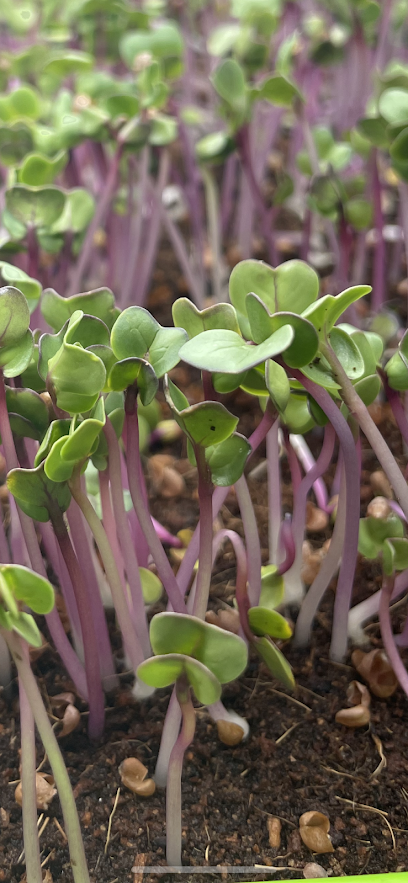
Microgreens are essentially the seedlings of vegetables and herbs, harvested shortly after the cotyledon leaves have developed. Because they are harvested at such an early stage, they often contain higher concentrations of vitamins and antioxidants than their mature counterparts. For example, broccoli microgreens are dense in sulforaphane, while pea shoots provide a significant boost in protein and fiber. Understanding how to source these locally in North Carolina ensures you are receiving the highest nutrient content possible.
- Check for Turgidity: Fresh greens should stand upright. If the leaves appear wilted or slimy, the product is past its prime.
- Examine the Soil/Medium: If buying live trays, ensure the medium is free of mold. A faint, earthy scent is normal; sour or musty odors indicate decay.
- Prioritize Local: North Carolina’s climate is challenging for leafy greens during the summer heat. By buying indoor-grown local greens, you support regional infrastructure that bypasses the carbon footprint of long-haul logistics.
- Understand Lead Times: Since producers like Bull City Greens operate on a lead-time basis, plan your culinary needs at least two weeks in advance to ensure your order is grown specifically for your window of consumption.
- Storage: Keep microgreens refrigerated and dry. Excess moisture is the primary cause of rapid spoilage in home refrigerators.
The science behind these greens is compelling. Research indicates that microgreens can contain up to 40 times more nutrients by weight than mature plants. In an urban environment like Raleigh, where access to fresh, pesticide-free produce can be inconsistent, integrating these greens into daily meals—whether in smoothies, salads, or as garnishes—is an efficient way to increase micronutrient intake. As more Triangle-area residents move toward self-sufficiency, the role of local indoor farmers becomes critical to the regional food supply chain.